
By Duke Taber
You read the list in Galatians and something in you sinks a little. Love. Joy. Peace. Patience. You know the words by heart. You have probably even taught them. And yet you sit there aware that the patience ran out by nine in the morning, that the joy feels manufactured, that the peace evaporated the moment the phone rang. So you do the only thing that seems left to do. You decide to try harder.
I understand that decision because I have made it more times than I can count. Thirty years of ministry has not made me immune to it. There is a particular kind of tiredness that comes from straining to be a better Christian, and a lot of sincere believers are walking around carrying exactly that. If you are one of them, I want to offer you something better than another push. I want to show you why the straining itself is the problem, and what Scripture invites you to do instead.

The Striving That Quietly Wears You Out
Here is the strange thing about trying to produce spiritual fruit by sheer effort. The harder you push, the more aware you become of how far short you fall. You grit your teeth to be more patient with your spouse, and within an hour you have snapped at the kids. You resolve to be kinder, and you catch yourself rehearsing a cutting remark in your head. The gap between the goal and the reality does not close. It widens.
One pastor described his own years of getting this wrong with painful honesty. He would read the list, feel convicted about his lack of love or self-control, and respond by working all the harder for a Spirit-filled life. He failed repeatedly. Not because he lacked sincerity. He failed because he had misread what Paul was actually saying.
That misreading is so common it deserves a name. Call it the checklist trap. We take a description of what the Spirit grows and turn it into a set of behaviors we are supposed to generate on our own. Then we measure ourselves against it and come up empty.
Why the Harder You Try, the Worse It Gets
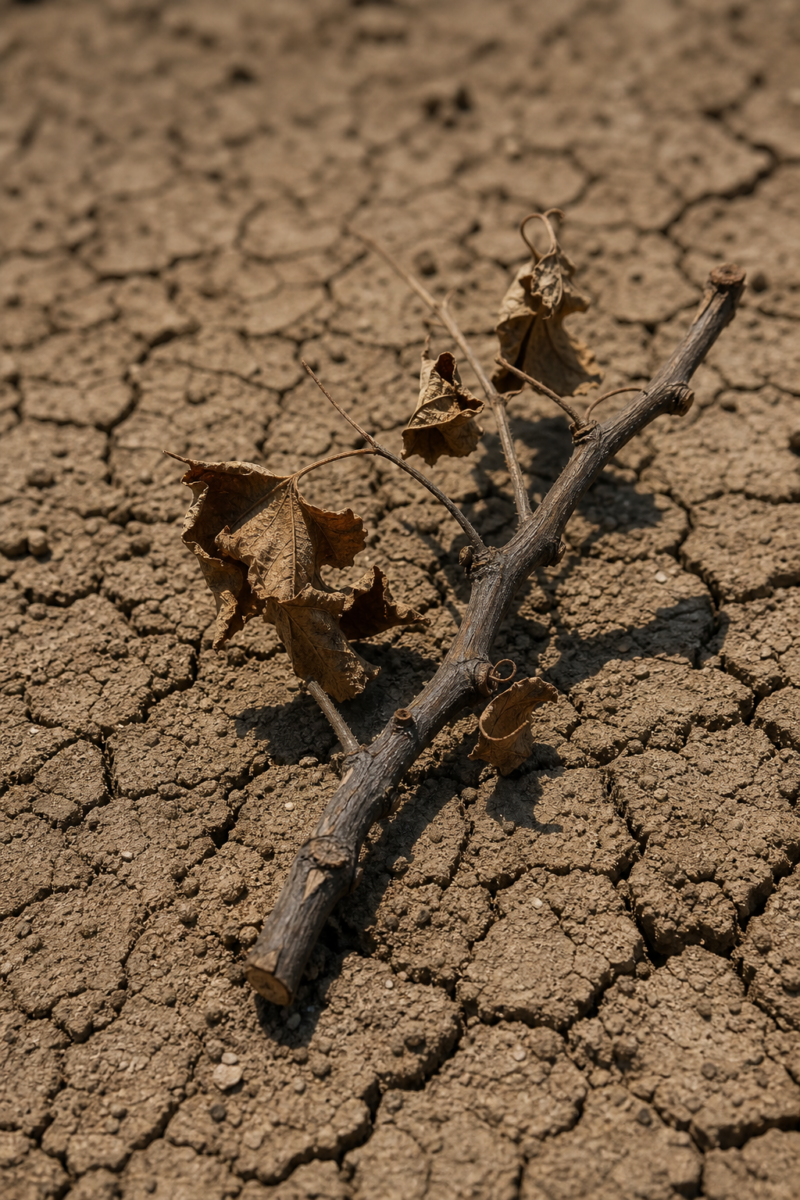
Even outside of Scripture, there is good reason to doubt that raw willpower can sustain real change. Researchers have spent decades studying self-control, and while the debates continue, the practical pattern is consistent. The American Psychological Association notes that many studies point to self-control behaving like a resource that gets depleted under stress and fatigue. You only have so much grit in the tank. Lean on it long enough and it runs dry.
If that is true of changing a habit like snacking or procrastination, how much more is it true of something as deep as a transformed character? You cannot white-knuckle your way into joy. You cannot clench your jaw hard enough to produce peace. The very effort burns the fuel you were counting on.
But the deeper problem is not psychological. It is theological. When we try to manufacture the fruit, we have quietly slipped back into a system the entire book of Galatians was written to demolish. Paul was confronting teachers who insisted that righteousness came through human performance of the law. His whole argument is that the Spirit accomplishes what the law could only demand. To take his list of the Spirit’s fruit and treat it as a fresh set of demands to perform is to walk right back into the trap he was pulling people out of.
There is also a subtler danger here, and it is worth naming. When our spiritual life becomes a self-improvement project, we can quench the Holy Spirit without ever intending to, crowding out His work with our own anxious labor.
Fruit Is Grown, Not Built
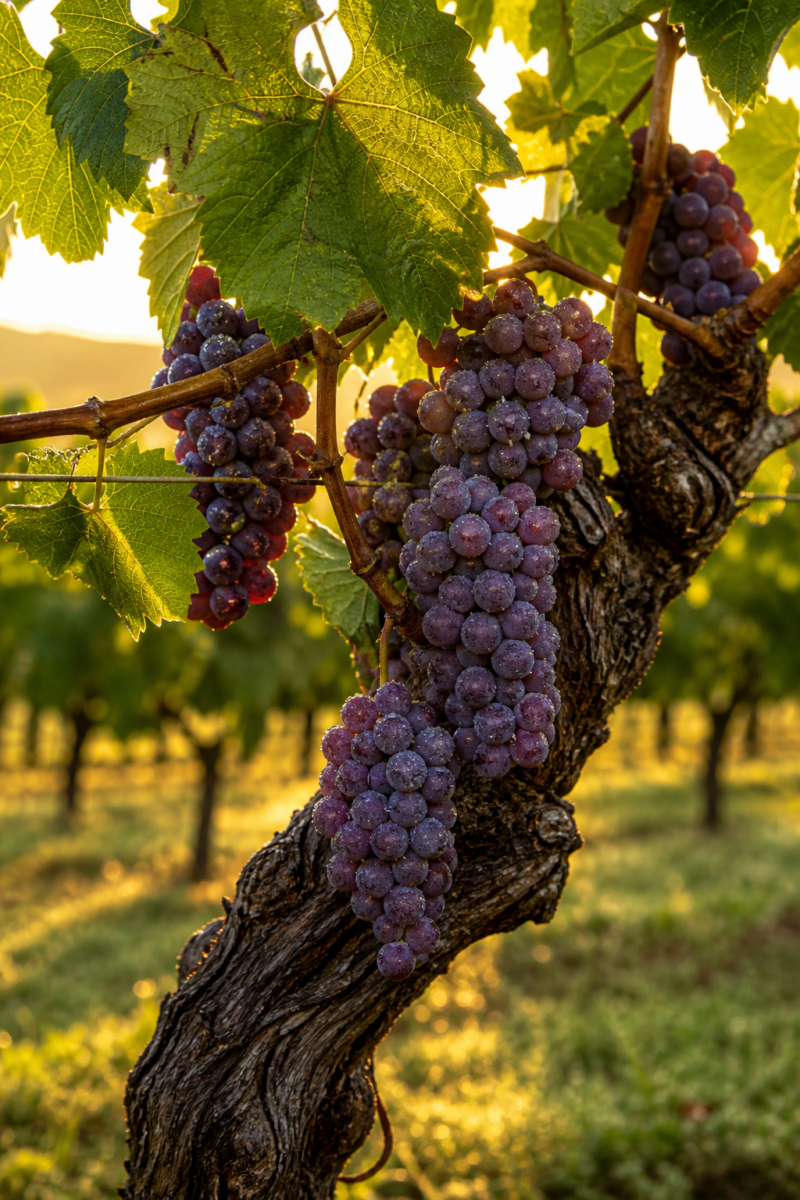
Pay attention to the word Paul chose. He did not say works of the Spirit. He said fruit.
“But the fruit of the Spirit is love, joy, peace, longsuffering, kindness, goodness, faithfulness, gentleness, self-control. Against such there is no law.” — Galatians 5:22-23 (NKJV)
That word is doing an enormous amount of work, and most of us read past it. Fruit is not assembled. It is not constructed on an assembly line. It grows, slowly and organically, out of a living thing that is connected to a source of life. As one commentary on this passage puts it plainly, fruit is not manufactured by human effort but grows naturally from a healthy tree. An apple tree does not strain and groan to produce apples. A healthy tree, rooted and nourished, simply bears what it was made to bear.
Notice too that Paul wrote fruit in the singular, not fruits. These nine qualities are not nine separate products to be cranked out one at a time. They are one cluster, one unified character, the natural overflow of one life. You do not work on patience this month and kindness next month like items on a project plan. They ripen together because they come from the same root.
This is not a minor point of grammar. It changes everything about how you approach your own growth. If you want a fuller picture of how these qualities fit together, this overview of the fruit of the Spirit lays the whole landscape out.
The Difference Between Works and Fruit
Earlier in the same chapter, Paul listed the works of the flesh. Notice the contrast he draws. The flesh produces works. The Spirit produces fruit. Works are something you do. Fruit is something you bear.
Bible teachers have long made this distinction central to understanding the passage. The qualities in verses 22 and 23 do not originate in your willpower. They are produced by the Spirit, not by our own efforts. That is why this passage sits at the heart of sanctification, the lifelong process of being changed without earning anything. One careful study of the chapter frames the whole question this way. A doctrine of sanctification by works will eventually collapse into salvation by works. The same grace that saved you is the grace that grows you. You did not earn the first, and you cannot earn the second. The whole Christian life runs on the same fuel from start to finish.
So if the fruit is not yours to manufacture, what exactly are you supposed to do? That is the right question, and Jesus answered it directly.
What Jesus Actually Asked of You
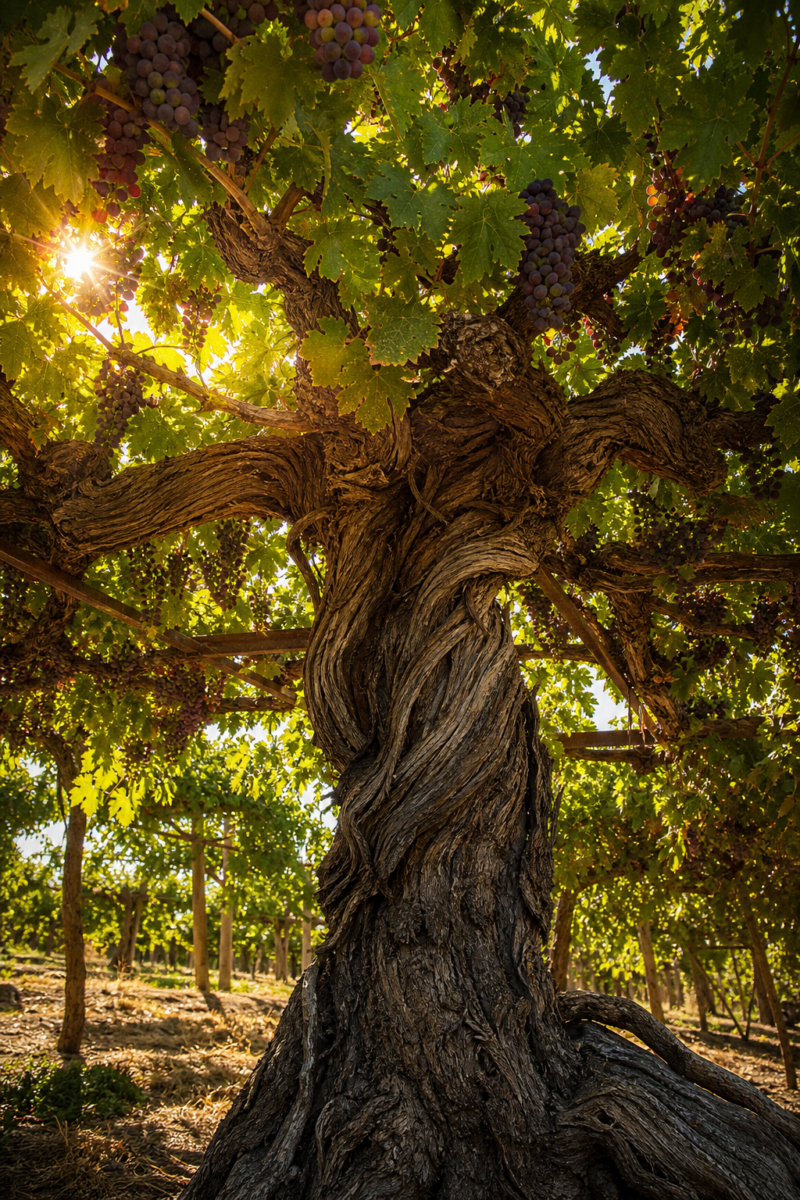
On the night before the cross, Jesus gave His disciples one of the most important pictures in all of Scripture for how a Christian grows. He did not tell them to try harder. He told them to stay connected.
“I am the vine, you are the branches. He who abides in Me, and I in him, bears much fruit; for without Me you can do nothing.” — John 15:5 (NKJV)
Sit with that last phrase. Without Me you can do nothing. Not a little. Nothing. A branch cannot squeeze out grapes by force of will. It bears fruit for one reason only, because life from the vine flows through it. Cut the branch off and lay it in the sun and command it to produce, and it will wither no matter how sincere its intentions.
David Guzik’s commentary on this chapter draws out the heart of it. The vine and branch picture emphasizes a complete dependence on Jesus that the other biblical metaphors do not quite capture. The branch has no independent source of life. Neither do you.
This reframes the entire Christian struggle. Pastor Paul Tripp puts it bluntly in his teaching on this passage. When Jesus says apart from Him we can do nothing, He means that on our own we lack both the desire and the power to live the way He designed us to live. Your problem was never that you needed more determination. Your problem is that you were trying to live a vine kind of life with branch kind of resources.
So What Do You Actually Do?
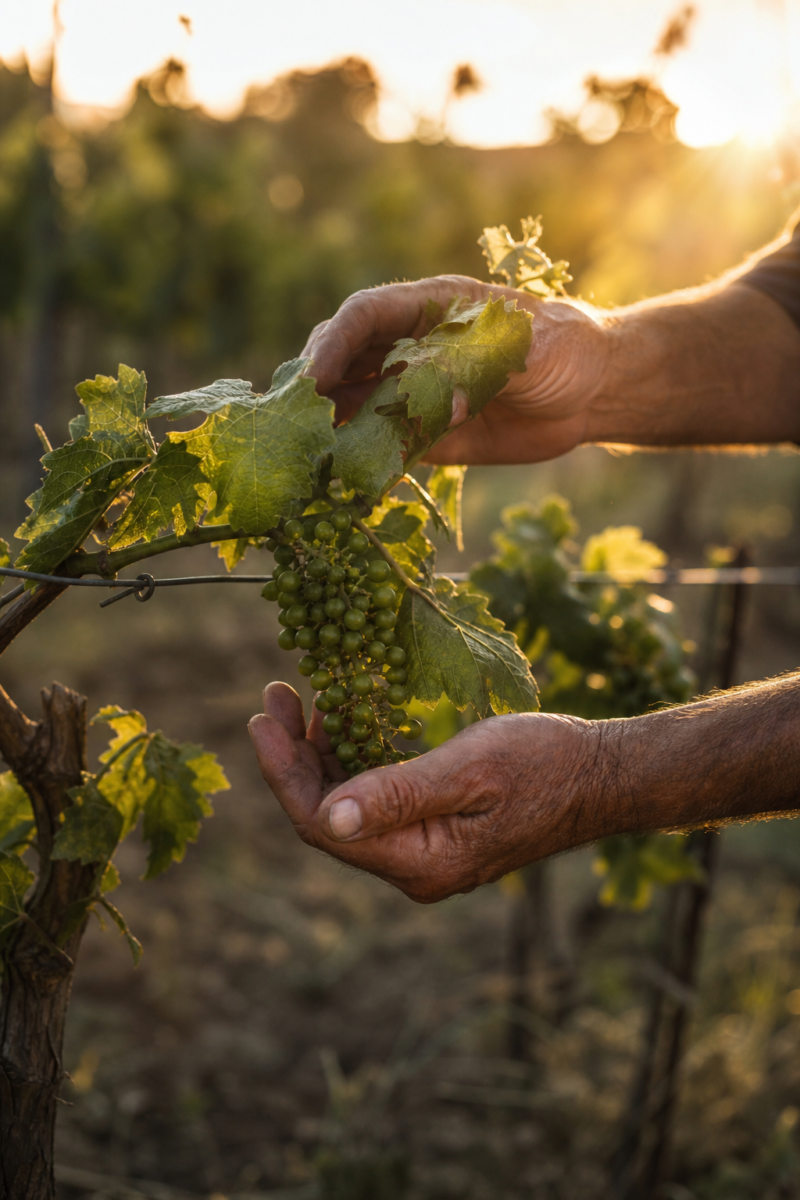
Here is where many sincere believers swing to the opposite ditch. If I cannot produce the fruit, they reason, then I will just relax and wait for God to do it all. Let go and let God. Sit back and hope holiness falls on you like sunshine through a window.
That is not what Scripture teaches either. Abiding is not passivity. Branches are not lazy. They are receiving, drawing, staying connected, and that takes intention. The answer is not effort, and it is not the absence of effort. The answer is a different kind of effort aimed in a different direction.
Dallas Willard captured this better than anyone I have read. His famous line is worth memorizing.
Grace is not opposed to effort. It is opposed to earning.
Effort, he explained, is action, while earning is an attitude. The path of spiritual growth is not a passive one. The work you do is not to manufacture fruit directly. The work you do is to place yourself where grace can reach you. A spiritual discipline, in his words, is something within your power that enables you to accomplish what you cannot do by direct effort. You cannot order yourself to be patient. You can, however, arrange your life so that you are regularly meeting with God, and patience grows there over time as a byproduct.
So stop aiming at the fruit. Aim at the root. Here is what that looks like in practice.
Stay Connected to the Vine
The single most important thing you can do is also the most overlooked. Abide. Stay in living, daily contact with Jesus through His Word and through prayer. This is not a performance you log to impress God. It is the branch staying joined to the vine so that life can flow.
“Abide in Me, and I in you. As the branch cannot bear fruit of itself, unless it abides in the vine, neither can you, unless you abide in Me.” — John 15:4 (NKJV)
Practically, this means being filled with the Spirit on a daily basis rather than running on yesterday’s tank. The fruit follows the connection. It always has.
Walk, Don’t Strain
Paul gave the same instruction in different words. He told the Galatians to walk in the Spirit, and he promised that those who do will not fulfill the lust of the flesh. Walking is not sprinting. It is steady, ongoing, dependent movement, one step in step with the Spirit and then another. This is the practical rhythm of keeping in step with the Spirit through the ordinary hours of an ordinary day. As you walk, the Spirit Himself does in you what you could never do alone, including empowering you to overcome the sins that used to defeat you every time.
Let Him Do the Pruning
Jesus said the Father is the vinedresser, and a vinedresser prunes. Sometimes the reason you feel stripped down and cut back is not punishment. It is cultivation. God removes what drains your energy and produces nothing so that you can bear more of what matters. Understanding the purpose behind spiritual pruning can turn a painful season into a hopeful one. The branch does not prune itself. It submits to the hands that know exactly which cut will lead to fruit.
When the Fruit Comes Slowly
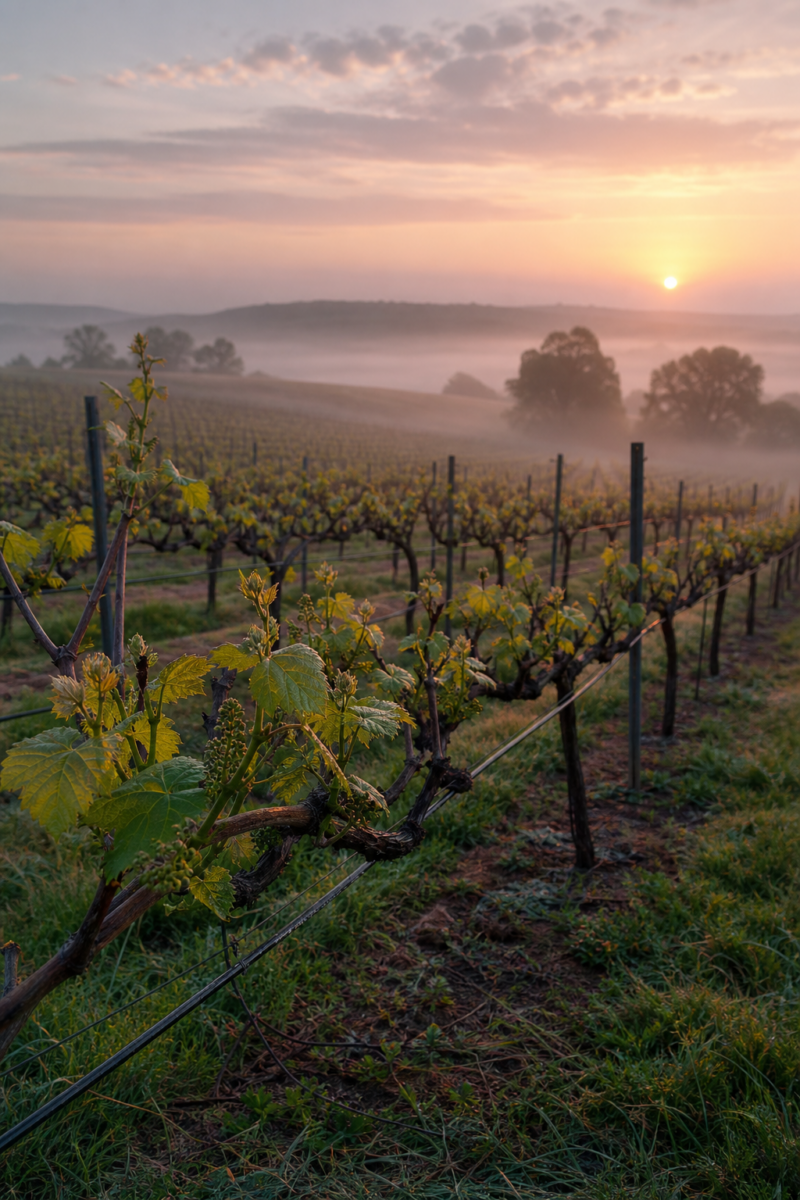
Let me be honest with you about something, because I have watched too many believers give up at exactly the wrong moment. Fruit grows on God’s timetable, not yours. An orchard does not yield a harvest the week after planting. Some of the qualities on Paul’s list, patience chief among them, are the very ones God grows slowest precisely because we cannot rush them.
So if you have been abiding and you still lose your temper, do not conclude that the whole thing has failed. The presence of a struggle is not the absence of fruit. It is often the sign of a branch being pruned and a harvest being formed under the surface where you cannot yet see it. The seasons of slow growth are not wasted. They are where the roots go deep.
I have sat with enough discouraged believers over the years to know how this season feels from the inside. You compare yourself to someone who seems to overflow with peace, and you assume you are doing it wrong. But you have no idea what soil that person came up through, or how many quiet years of abiding produced what you are seeing in a single season. Growth is rarely linear. A tree puts on no visible fruit for years while its roots are spreading underground, and then one spring the branches are heavy. Do not mistake the hidden work for no work.
Be patient with the process, and be patient with yourself. Self-compassion is not the same as self-indulgence. Harsh self-condemnation actually shuts down the very capacity for change, while the steady kindness of God leads us toward repentance and growth. Remember who is responsible for the harvest. Your job is the connection. His job is the fruit.
A Word Before You Go
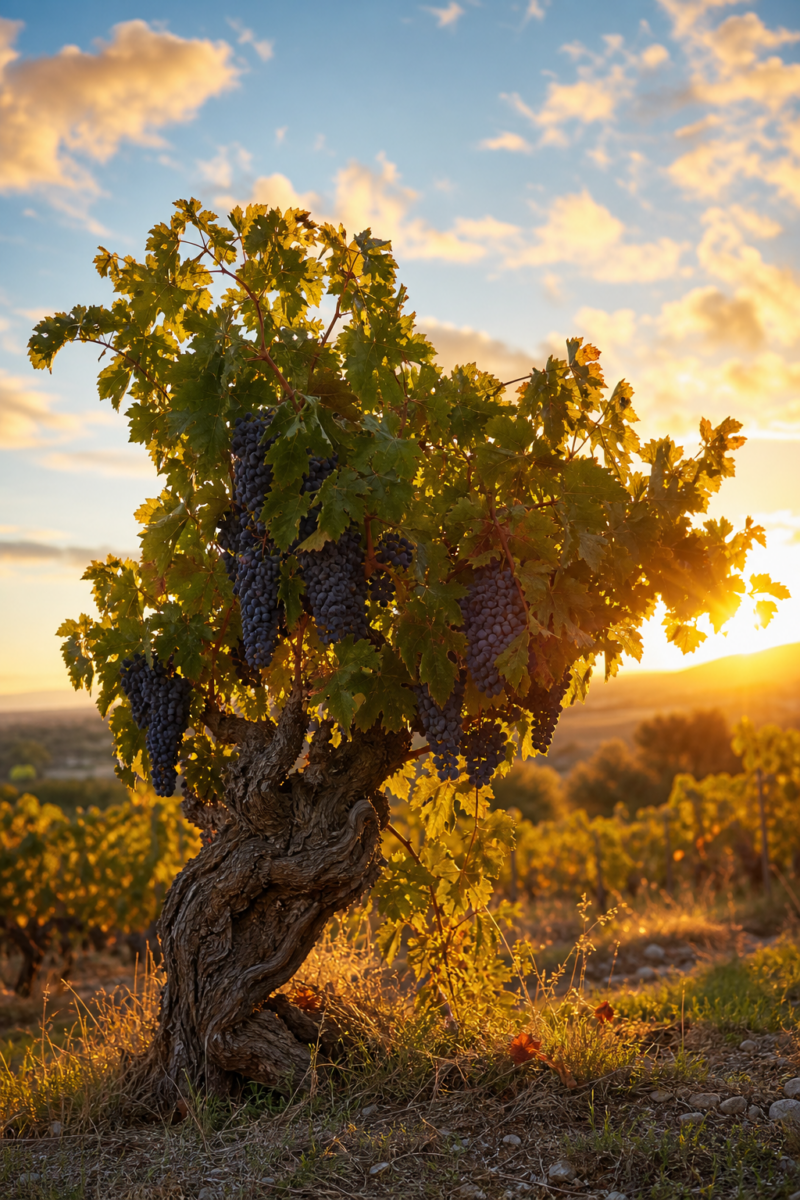
If you take one thing from all of this, let it be this. You were never supposed to manufacture the fruit of the Spirit, and the exhaustion you feel is the gentle evidence that you have been trying to do God’s job for Him. Lay it down. The life of Christ in you is more than capable of producing in you what no amount of trying ever could.
Stop straining to be patient and start abiding in the One who is patience itself. Stop forcing joy and start staying close to its source. The branch that remains in the vine will bear fruit. That is a promise, not a goal.
If you are ready to go deeper than a single article allows, here is a next step:
- Walk through the whole passage slowly with our 13-lesson Fruit of the Spirit Bible study, designed for personal devotion or small groups.
- Explore how to begin activating the fruit of the Spirit in everyday life through abiding rather than striving.
You do not have to carry this alone, and you were never meant to produce it alone. Stay connected to the Vine, and let Him grow what only He can grow.
Keep abiding, friend. The harvest is His.
Resources
- Galatians 5:22-23, Meaning, Context and Application (FamilyBible.org)
- Focusing on the Fruit of the Spirit (Faith Church)
- The Use and Misuse of Paul’s List in Galatians 5 (Proclaim & Defend)
- John 15 Commentary by David Guzik (Enduring Word)
- Abide in the Vine (Paul Tripp)
- Grace, Effort, and the Spiritual Disciplines (Dallas Willard)
- What You Need to Know About Willpower (American Psychological Association)
Test Your Knowledge!
Answer all 10 questions, then submit to see your score.
Related Posts

Is the Fruit of the Spirit a Command or a Result?
Last updated: June 2026 By Duke Taber You have probably tried to be more patient. Maybe you woke up one morning, gritted your teeth, and decided…
 Jun 11, 2026
Fruit of the Spirit vs. Gifts of the Spirit: What's the Difference?
Last updated: June 2026 By Duke Taber I have stood in green rooms before services and watched two kinds of believers. One could prophesy with stunning…
Jun 10, 2026
Self-Control Is a Fruit, Not Willpower: Reframing the Hardest One
Last updated: June 2026 By Duke Taber You have probably made the resolution more than once. This time you will hold your tongue. This time you…
Jun 12, 2026
How to Study the Fruit of the Spirit: 5 Approaches and Which One Fits You
Last updated: June 2026 By Duke Taber Most people who set out to study the fruit of the Spirit arrive with a quiet sense of failure…
Jun 11, 2026


 By
By


