

When we think of powerful kings in biblical history, Nebuchadnezzar II often stands out. Known as the ruler of Babylon during its golden age, his story intertwines with some of the most profound events recorded in Scripture.
Nebuchadnezzar wasn’t just a mighty king; he was a man whose encounters with God left an undeniable mark on history. From dreams that revealed divine mysteries to moments of humbling transformation, his life offers lessons about pride, power, and God’s sovereignty over nations.
Early Life And Ascension To The Throne
Nebuchadnezzar II’s early life and rise to power reveal the foundations of his reign. His background shaped his leadership and achievements as Babylon’s ruler.
Family Background
Nebuchadnezzar II was born into the Neo-Babylonian dynasty. His father, Nabopolassar, founded this empire after overthrowing Assyrian rule in 626 BC.
Nabopolassar was a skilled warrior and leader. He united Babylonia and expanded its influence across Mesopotamia.
Nebuchadnezzar grew up witnessing military campaigns. These experiences prepared him for future leadership roles within the kingdom.
Historical records suggest his name means “O Nabu, defend my firstborn son.” This reflects the cultural importance of divine favor in Babylonian kingship.
The Bible highlights Nebuchadnezzar’s significant role in God’s plans for Israel. In Jeremiah 27:6 (NKJV), God calls him “My servant,” showing divine sovereignty over nations.
Path To Kingship
Nebuchadnezzar rose to prominence through military success. As crown prince, he led Babylon’s army against Egypt at Carchemish in 605 BC, securing a decisive victory (Jeremiah 46:2 NKJV).
After Nabopolassar’s death that same year, Nebuchadnezzar ascended the throne swiftly. His leadership ensured stability during this transition period.
He solidified power by strengthening alliances and expanding territories. This included campaigns into Judah where Jerusalem was captured (2 Kings 24:10-13 NKJV).
His ascent marks a critical moment in biblical history. It fulfilled prophecies about Babylon’s dominance over Israel during their exile (Daniel 1:1-2 NKJV).
Reign And Achievements

Nebuchadnezzar II ruled Babylon for over four decades, from 605 BC to 562 BC. His reign marked Babylon’s peak in military strength, architectural splendor, and cultural influence.
Military Campaigns And Conquests
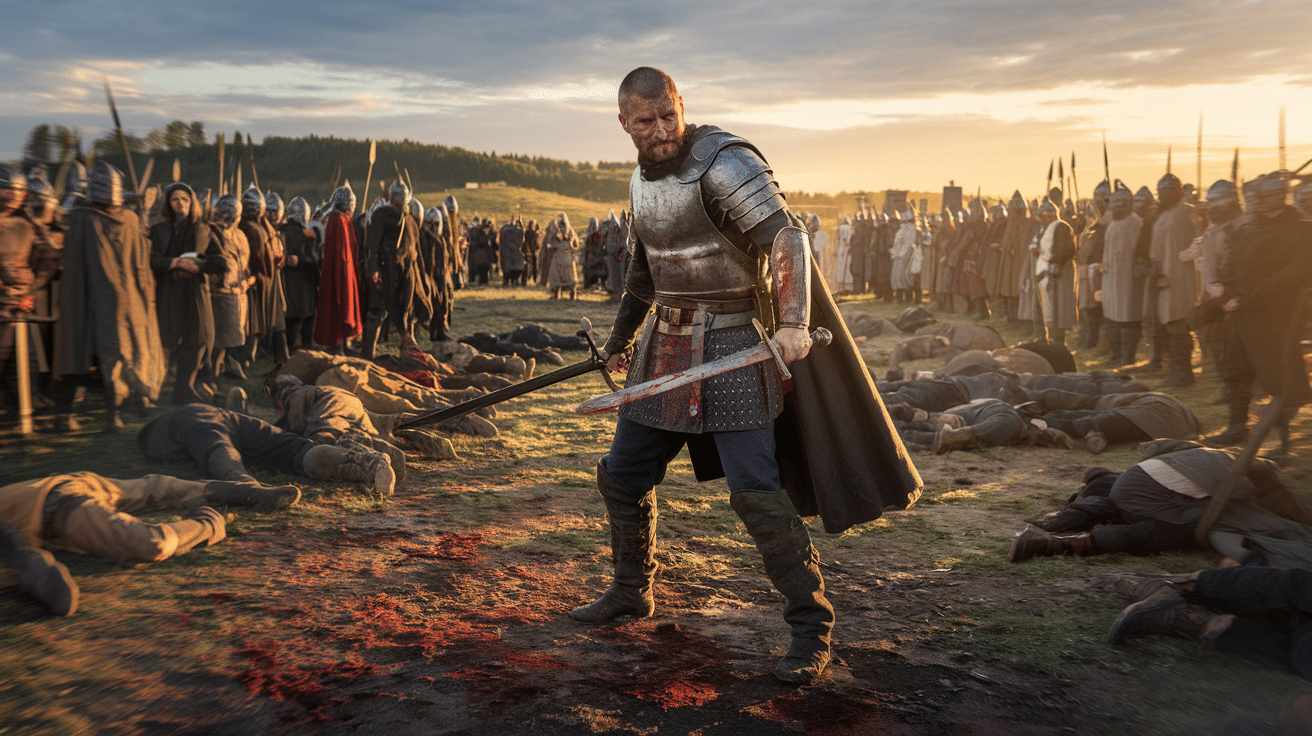
Nebuchadnezzar expanded Babylon’s territory through decisive victories. He defeated the Egyptians at the Battle of Carchemish in 605 BC, securing control over Syria and Palestine.
He subdued Jerusalem multiple times during his campaigns. In 586 BC, he destroyed Solomon’s Temple and deported many Israelites to Babylon (2 Kings 25:8-11 NKJV). This event fulfilled prophetic warnings given by Jeremiah.
His military achievements strengthened Babylon’s dominance in the ancient Near East. Nebuchadnezzar maintained power by suppressing rebellions and fortifying key regions under his rule.
Architectural Contributions
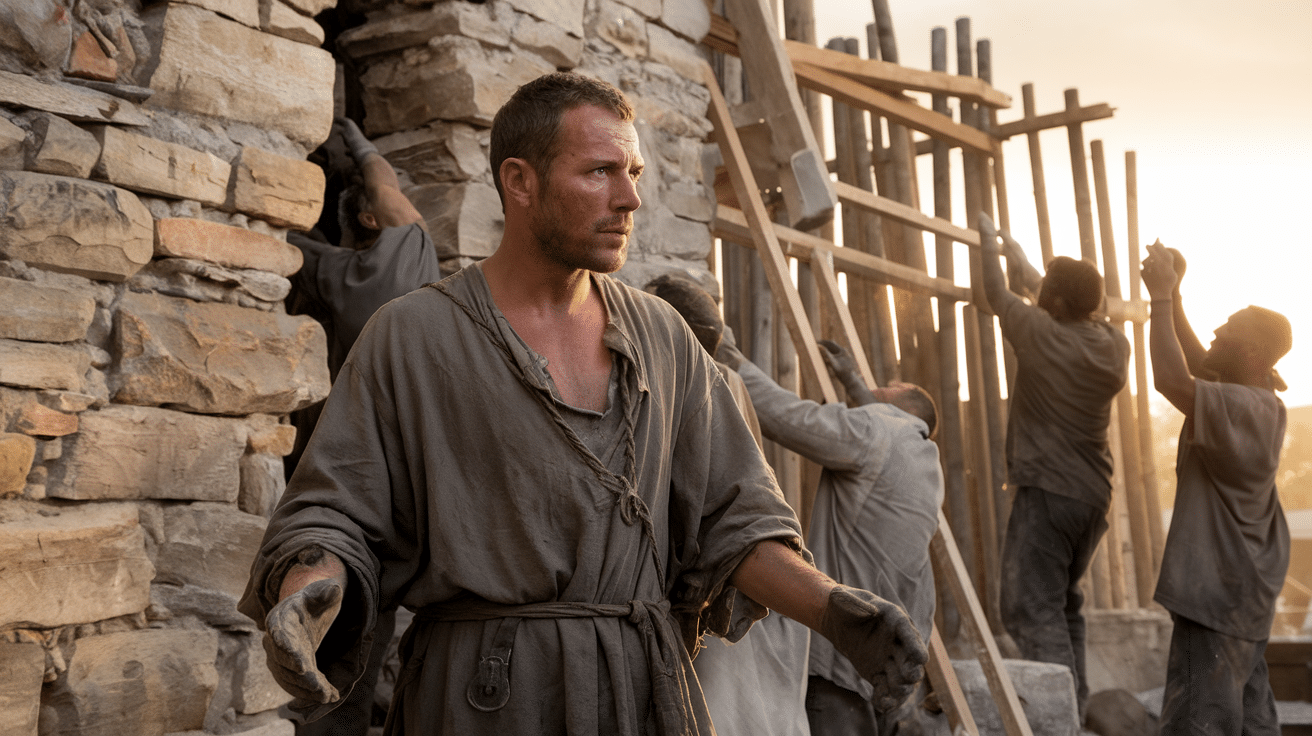
Nebuchadnezzar transformed Babylon into a city of unmatched grandeur. He rebuilt its walls, using massive structures to protect the capital.
He commissioned the Ishtar Gate, adorned with blue-glazed bricks and depictions of lions and dragons. It became one of Babylon’s most iconic landmarks.
According to historical accounts, he constructed the Hanging Gardens for his wife Amytis. While no archaeological evidence confirms this wonder directly, ancient texts attribute it to him as a testament to his ingenuity.
The king also restored temples like Esagila dedicated to Marduk. These projects reflected his desire for divine favor and cultural pride.
Economic And Cultural Growth
Trade flourished during Nebuchadnezzar’s reign due to political stability. Merchants exchanged goods like textiles, spices, metals, and grain across vast networks connecting Mesopotamia with distant lands.
Babylonian culture thrived under his leadership. Advances in astronomy enabled precise calendrical systems still studied today.
Religious practices were central during this period. The king promoted worship centered on Marduk while allowing diverse customs among conquered peoples (Daniel 3:1-7 NKJV).
His policies ensured prosperity but reminded nations of their dependence on God’s sovereignty over rulers (Daniel 4:34-35 NKJV).
Religious And Political Leadership

Nebuchadnezzar II balanced religious devotion and political control to maintain authority. His leadership influenced Babylon’s spiritual identity and administrative organization.
Relationship With Babylonian Deities
Nebuchadnezzar emphasized loyalty to Marduk, the chief deity of Babylon. He restored temples, expanded shrines, and declared his reign as divinely appointed. His inscriptions often credited Marduk for guiding his victories and prosperity.
He built immense structures like Esagila to honor these gods. The ziggurats symbolized divine favor and connected heaven to earth in Babylonian belief. Rituals reinforced his role as both king and servant of the gods.
While exalting Babylon’s deities, Nebuchadnezzar encountered the God of Israel multiple times. In Daniel 4:37 (NKJV), he acknowledged God’s sovereignty after being humbled: “Now I, Nebuchadnezzar, praise and extol…the King of heaven.” These moments contrasted with his polytheistic practices but revealed divine intervention shaping his legacy.
Governance And Administration
Nebuchadnezzar established a centralized government marked by military strength and economic stability. He relied on provincial governors to enforce laws across vast territories while retaining ultimate authority in Babylon.
Trade routes flourished under systematic taxation policies. Wealth from conquered lands funded large-scale projects like fortifications and canals that protected resources and supported agriculture.
He managed diverse populations through pragmatic strategies. For instance, captives such as Daniel were integrated into administration (Daniel 1:19-20 NKJV). This approach ensured order while showcasing God’s ability to elevate individuals within foreign systems for His purposes.
Nebuchadnezzar II In Historical And Biblical Context
Nebuchadnezzar II left a profound mark on both history and biblical texts. His actions shaped empires and fulfilled divine prophecies.
Depictions In Historical Records
Ancient records portray Nebuchadnezzar as a powerful and visionary leader. Babylonian inscriptions, like the Babylonian Chronicles, document his military victories and building projects. These accounts highlight his conquest of Jerusalem in 586 BC and the destruction of Solomon’s Temple.
He is celebrated for transforming Babylon into a cultural hub. His construction of the Ishtar Gate and expansion of the ziggurat Etemenanki showcased architectural brilliance. Historians credit him with uniting diverse territories under centralized rule while promoting economic growth through trade networks.
Greek historians like Herodotus also mentioned Babylon’s grandeur during Nebuchadnezzar’s reign. They praised its walls, temples, and urban design. Though not all details align with biblical accounts, historical texts confirm his influence over ancient Mesopotamia.
Appearance In Biblical Narratives
The Bible portrays Nebuchadnezzar as an instrument of God’s judgment against Israel’s disobedience (Jeremiah 27:6). He exiled Judah to Babylon after conquering Jerusalem, fulfilling Jeremiah’s warnings about captivity.
God revealed His power to Nebuchadnezzar through dreams interpreted by Daniel (Daniel 2:36-45). One vision foreshadowed future kingdoms; another foretold his humbling due to pride when he lived as a beast for seven years (Daniel 4:33).
Even though worshiping Marduk, he acknowledged God’s sovereignty after being restored to power. He declared, “Now I…praise and extol and honor the King of heaven…” (Daniel 4:37 NKJV). This transformation demonstrated God’s authority over all rulers—even mighty kings like Nebuchadnezzar.
Legacy And Impact
Influence On Babylonian Civilization
Nebuchadnezzar II elevated Babylon to its pinnacle of cultural and architectural achievement. His extensive building projects, including the Ishtar Gate and Esagila temple, showcased his dedication to glorifying Babylon’s gods and power.
He restructured the economy by enhancing trade routes, taxation systems, and agricultural irrigation. These efforts brought prosperity across the empire. The city became a symbol of wealth and advanced civilization during his reign.
His military conquests expanded Babylon’s territory while integrating diverse cultures under centralized governance. This strategy maintained order while promoting loyalty among conquered peoples. By honoring local customs alongside Marduk worship, he fostered stability throughout the region.
The Hanging Gardens, attributed to him by some sources, reflected innovation in engineering if they existed as described historically. Even if their existence remains debated today, Nebuchadnezzar is still remembered for shaping a legacy of grandeur tied to Babylon’s identity.
Modern Interpretations Of His Rule
Historians analyze Nebuchadnezzar II as both a strategic leader and an instrument of biblical prophecy. His destruction of Solomon’s Temple in 586 BC fulfilled Jeremiah’s warnings: “And this whole land shall be a desolation” (Jeremiah 25:11 NKJV).
Some view him as an archetype of pride humbled by God due to his experience recorded in Daniel 4:28-37 NKJV. He declared after restoration: “Now I praise and extol…the King of heaven” (Daniel 4:37 NKJV). This statement reflects divine authority over earthly rulers.
Scholars debate whether his policies focused on political control or religious devotion drove Babylon’s success more significantly. Both aspects remain central when interpreting his reign today.
In faith circles, he’s often seen as evidence that no ruler stands above God’s sovereignty—a reminder relevant for understanding modern leadership through spiritual lenses connected with historical truths about God’s plans for nations in biblical history contexts.
What Lessons Can We Learn About Pride and Intervention from Zerah the Ethiopian in Relation to Nebuchadnezzar II?
In examining the story of Zerah the Ethiopian and Nebuchadnezzar II, we uncover valuable insights. The contrast between humility and pride becomes clear as Zerah’s reliance on faith shines through. From this ancient narrative, we draw profound lessons from zerah’s biblical battle that resonate in today’s discussions on intervention and leadership.
Conclusion
Nebuchadnezzar II’s story is a compelling blend of power, ambition, and divine encounters that shaped history and faith. His reign defined Babylon as a beacon of cultural and military dominance while serving as an instrument in fulfilling God’s plans.
Through his achievements and humbling experiences, Nebuchadnezzar reminds us of the limits of human authority under divine sovereignty. His legacy endures not just as a king but as a figure whose life continues to inspire reflection on pride, leadership, and faith across generations.

Pastor Duke has been preaching and teaching the Bible since 1988. He has shared his knowledge online since 2011.




 By
By