

I’m amazed by how certain biblical figures suddenly appear and leave a lasting impact. Zerah the Ethiopian is one such individual who challenges my understanding of God’s intervention.
His story in the Old Testament catches my attention because it highlights the clash between faith and fear. I believe there’s more to discover about this mysterious leader and how his actions still resonate today.
I’ll explore who he was why he waged war and what I can learn about divine guidance in moments of crisis. My hope is to shed light on his legacy so we can grow in faith and conviction.
Who Was Zerah The Ethiopian?
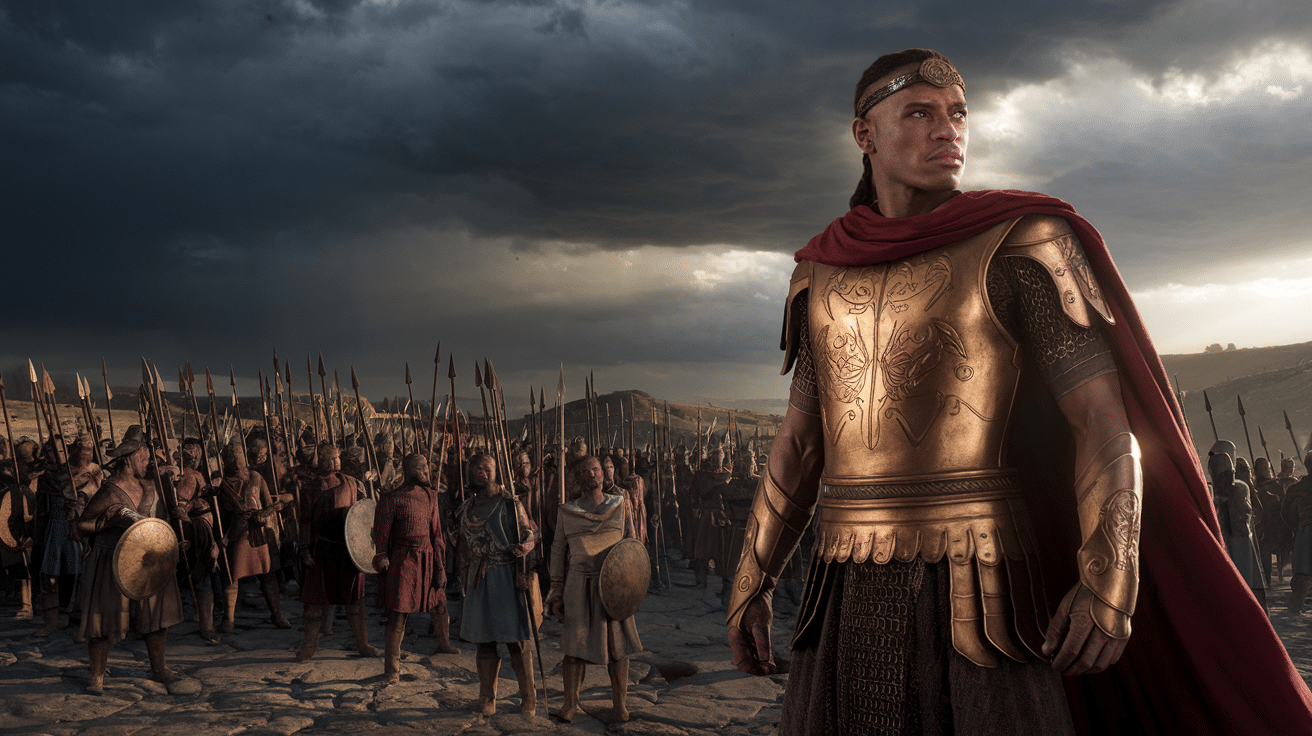
Zerah the Ethiopian appears in the Old Testament as a significant figure who confronted the Kingdom of Judah. I find his account primarily in “2 Chronicles 14:9-15” (NKJV).
I notice the text indicates he led a vast army from a foreign land. “Then Zerah the Ethiopian came out against them with an army of a million men” (2 Chronicles 14:9, NKJV).
I observe that this passage offers limited background on Zerah’s lineage. Some interpreters claim he was a Cushite leader from an area near the upper Nile.
I focus on how he challenged King Asa’s forces, testing their faith versus fear. Asa prayed, and God granted victory when the odds looked impossible.
I see that Zerah’s defeat highlights the importance of divine guidance during a crisis. His story reminds me that no force can overshadow God’s intervention.
Key Observations:
- Zerah’s origin as an Ethiopian sparks discussion among historians.
- His massive army represents a major threat to Judah.
- Asa’s faith stands out as a response to Zerah’s war efforts.
| Reference | Summary |
|---|---|
| 2 Chronicles 14:9 | Zerah’s huge army enters Judah |
| 2 Chronicles 14:10-11 | Asa prays, revealing a reliance on God |
| 2 Chronicles 14:12-15 | Judah overcomes Zerah, showing divine power |
I glean that his legacy underscores how faith triumphs over despair. His clash with Asa remains a potent reminder that numbers mean little where God acts.
Biblical And Historical Context

I examine Zerah’s place in scriptural chronicles. I also review ancient documents that may validate his campaign.
References In The Old Testament
I read about Zerah in “2 Chronicles 14:9–15 (NKJV).” He appears as the leader of a massive force. The text depicts an army of 1,000,000 men, which suggests an organized coalition. I see how King Asa responds by praying and relying on divine protection.
I notice the emphasis on Zerah’s Ethiopian (Cushite) heritage. Scholars find clues that connect him to the upper Nile region. This biblical account shows how Judah faced a daunting enemy. I note how Asa triumphs through faith, as stated in “2 Chronicles 14:11 (NKJV).”
I list notable details:
- Cushite origins: Points to Africa, particularly near the upper Nile.
- Vast army: Mentions 1,000,000 troops in the text.
- Key principle: Demonstrates reliance on God for victory.
Insights From Historical Records
I explore records from Egypt that hint at cross-border military campaigns. Some inscriptions mention conflicts with Nubian or Cushite leaders. I see a possible link to Zerah, though names differ in the translations. Historians debate if he led a joint invasion or an independent venture along the southern borders.
I rely on the geographical context to trace Ethiopia’s historical expansions. Armies sometimes moved north in pursuit of strategic dominance. The Old Testament narrative offers a unique glimpse of that era. I view Zerah’s story as part of a broader regional power play, where alliances shaped outcomes.
| Source | Key Mention |
|---|---|
| Egyptian Texts | Speaks of southern conflicts with Nubian forces |
| Old Testament | Describes Zerah’s incursion against King Asa |
Interpretations And Debates
I see varied opinions about Zerah’s origins and political influence. Some sources argue that he led regional campaigns beyond Cush.
Traditional Jewish And Christian Views
I notice that many Jewish commentators connect Zerah to Cushite lineages. They cite “2 Chronicles 14:9-15, NKJV” as an example of grand-scale warfare. I read that some rabbis emphasize his role as a cautionary tale of pride.
I observe Christian theologians taking a mixed approach. Some focus on the miraculous victory that followed Asa’s prayer. Others highlight Zerah’s army of 1,000,000 men as a symbol of worldly power. I see an emphasis on God’s authority in the face of overwhelming odds.
Below is a brief table of interpretations:
| Interpretation | Source Reference |
|---|---|
| Zerah as a Cushite king | Early Jewish commentaries |
| Zerah as a layered symbol | Christian scholars |
| Zerah as a historical leader | Ancient historical documents |
I find many of these views offer distinct angles on Zerah. They converge on the theme of God’s intervention in impossible situations.
Cultural And Religious Significance
I see Zerah’s story woven into regional culture. He appears as a leader who challenged a kingdom firmly devoted to divine worship.
I note how biblical records highlight his massive army of around 1,000,000 men. This vast force, recorded in “2 Chronicles 14:9-15” (NKJV), implies significant organization and cross-border influence.
I observe how his defeat underscored divine power. The text states, “So the Lord struck the Ethiopians before Asa and Judah” (2 Chronicles 14:12, NKJV), showing a miraculous outcome that transcends military might.
I study writings by early commentators who emphasized Zerah’s role as a powerful foreign threat. They often recall how his downfall became a testament to providential deliverance.
Below is a brief table summarizing key aspects:
| Aspect | Details |
|---|---|
| Cultural Impact | Demonstrates cross-regional alliances and diverse military recruitment. |
| Religious Focus | Highlights prayer as a decisive factor in securing victory. |
| Scriptural Basis | “2 Chronicles 14:9-15” (NKJV) shows God’s response to humble trust. |
I reflect on how these cultural elements intersect with spiritual values. He stands as a reminder that human strength can falter when faced with divine intervention.
I believe references to other historical campaigns in Nubia and Egypt support the view that he came from a formidable background. These points create a vivid picture of a figure whose legacy extends beyond one battle.
Modern Perspectives
Modern perspectives center on the evolving research into Zerah the Ethiopian’s historical and spiritual relevance. I see scholars consulting inscriptions from the upper Nile region to explore possible links to Nubian leaders.
I read new interpretations of “2 Chronicles 14:9-15” (NKJV) that highlight God’s intervention against Zerah’s vast army. I note how these interpretations emphasize reliance on prayer and divine power as tangible in present faith communities.
I observe biblical commentators linking Zerah’s story to cross-border alliances. If they reference ancient Egyptian or Cushite records, they underscore the scope of his military campaign and its broad geographic reach.
I compare archaeological findings that speak to high levels of organization among regional powers. They reinforce the idea that Zerah the Ethiopian commanded significant forces with advanced strategies.
I compiled a table of modern focus areas:
| Focus | Observation |
|---|---|
| Archaeological | Finds potential references to Cushite raids in Egyptian inscriptions. |
| Theological | Sees Zerah’s defeat as evidence of divine intervention. |
| Cultural | Highlights expanded regional alliances and mutual military support. |
I see believers motivated by the scriptural portrayal of a sudden victory over a formidable foe. “And Asa cried out to the Lord his God” (2 Chronicles 14:11, NKJV) continues to shape contemporary prayer practices.
I value the ongoing scholarly interest in Zerah’s identity. This exploration provides clearer perspectives on how ancient events can resonate in modern faith experiences.
What Can Amaziah of Judah’s Story Teach Us About Zerah the Ethiopian’s Battle and God’s Intervention?
The lessons from king amaziah of judah reveal the importance of trusting God’s power over human strength. His initial obedience led to victories, but pride caused his downfall. Similarly, Zerah the Ethiopian faced divine intervention when Asa relied on God. These stories emphasize faith and reliance on divine guidance for true success.
Conclusion
Zerahs story continues to amaze me because it reveals how the past can still speak to hearts today. Ive come to appreciate how this ancient figure sparks deeper thoughts on faith and perseverance without diminishing the complexities of historical details
This study has reminded me that spiritual reflections can transcend eras. Though we might never fully grasp every angle of Zerahs identity I find a renewed sense of hope in the knowledge that even the most formidable challenges can be overcome when we stay grounded in trust. I hope my exploration encourages others to find significance in these remarkable narratives
Share On Pinterest!


Pastor Duke has been preaching and teaching the Bible since 1988. He has shared his knowledge online since 2011.






 By
By