
Darius appears in key passages of the Old Testament especially in the Book of Daniel. He reigns with great influence and crosses paths with Daniel as he seeks wisdom and stability for his kingdom.
His story reveals how faith prevails even under foreign governance. Many readers see his narrative as proof that God’s plan can unfold through any authority.
This compelling account encourages believers to trust in divine protection and remain steadfast no matter who holds the throne.
Historical Context
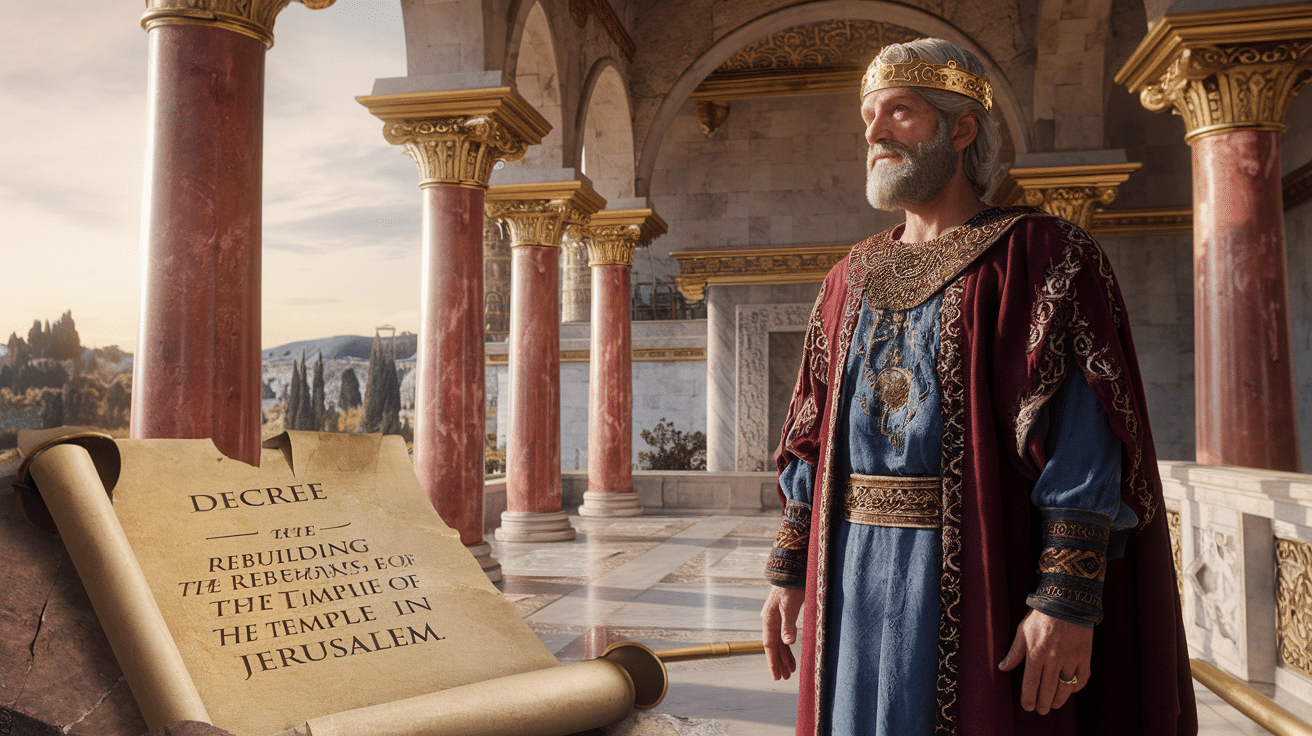
He ascended the throne around 539 BC, shortly after the Medo-Persian conquest of Babylon. He reorganized the government and oversaw new administrative structures.
He appears in several passages in the Book of Daniel. Some suggest he is Darius the Mede mentioned in “Daniel 5:31 (NKJV).”
He established decrees that impacted worship in captured regions. “Daniel 6:1 (NKJV)” states: “It pleased Darius to set over the kingdom one hundred and twenty satraps.”
He recognized the sovereignty of Daniel’s God. “Daniel 6:25–26 (NKJV)” records his public proclamation.
Below is a table summarizing these references:
| Reference | Verse (NKJV) | Key Emphasis |
|---|---|---|
| Daniel 5:31 | “And Darius the Mede received the kingdom” | Transition of power at age 62 |
| Daniel 6:1 | “It pleased Darius to set over the kingdom…” | Appointment of 120 satraps |
| Daniel 6:25–26 | “Then King Darius wrote…” | Declaration of God’s supremacy |
- He influenced legal frameworks in Babylon and beyond.
- He is linked with the post-exilic community’s experience.
Who Was Darius In The Bible?
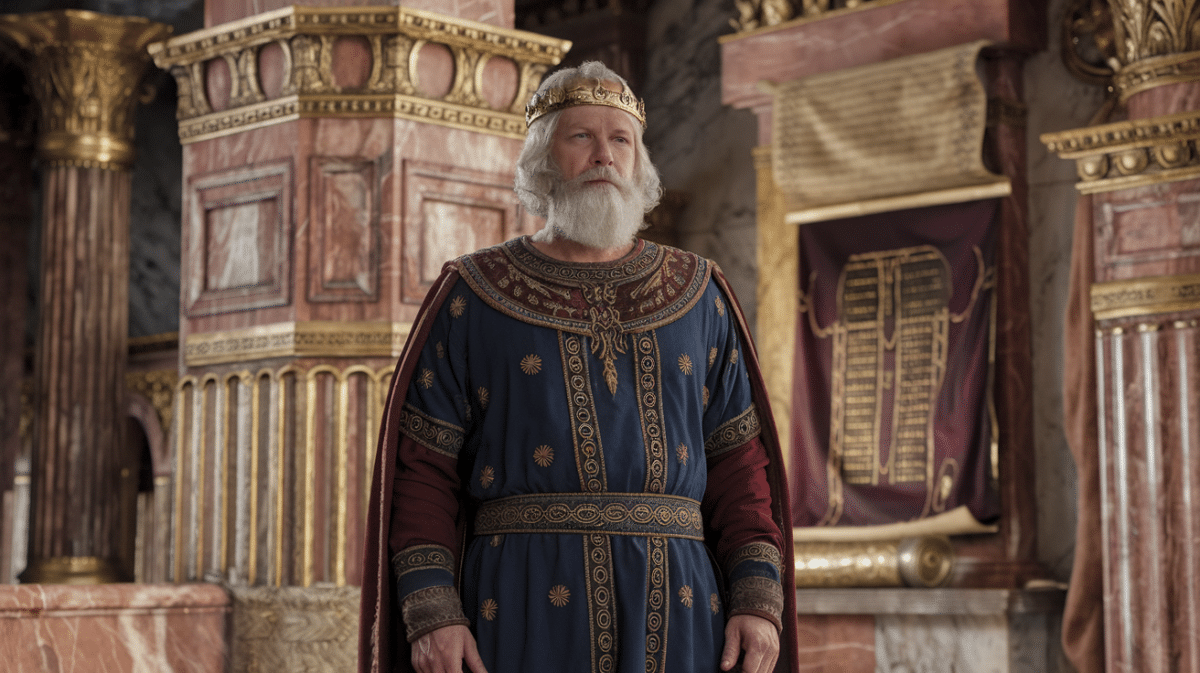
Darius is a name in the Old Testament that connects to pivotal events in the Book of Daniel. It’s attributed to rulers who shaped the Babylonian empire’s transition to Medo-Persian control.
Darius The Mede
Darius the Mede rose to power around 539 BC following Babylon’s fall (Daniel 5:31 “NKJV”). He reorganized governance by appointing 120 satraps (officials who oversaw provinces), which created a more structured administration (Daniel 6:1 “NKJV”).
He valued Daniel’s integrity, if stability was needed in a new regime. He honored Daniel’s God by issuing a royal decree that acknowledged divine supremacy (Daniel 6:25-26 “NKJV”).
- Approximate date: 539 BC
- Notable action: Establishing satraps
- Key text: Daniel 6:1-26 “NKJV”
Darius The Persian
Some references identify Darius the Persian with Darius I, who ruled from about 522 to 486 BC. Biblical accounts credit his authority for endorsing the rebuilding of the temple in Jerusalem (Ezra 6:1-12 “NKJV”).
He enforced legal measures that supported returned exiles, if they needed imperial backing. He reflected an openness to God’s plans within a foreign kingdom (Ezra 6:14 “NKJV”).
| Reference | Action |
|---|---|
| Ezra 6:1-2 “NKJV” | Issued a decree to verify prior temple permissions |
| Ezra 6:14 “NKJV” | Facilitated the completion of the rebuilding project |
Important Biblical Roles
Darius functioned as a key authority figure in the backdrop of Israel’s post-exilic journey. He guided legal decrees that shaped the religious climate, as seen in Daniel and Ezra.
The Temple Restoration Efforts
He affirmed the rebuilding work, enabling exiles to complete their sacred assignment (Ezra 6:1‒2 NKJV). He safeguarded provisions for labor and materials.
He recognized the importance of spiritual identity among returning captives. He secured official support for construction, as stated in “Ezra 6:14” (NKJV): “So the elders of the Jews built… and they prospered.”
- Role: Approved resources and legal protection
- Outcome: Renewed worship and organized rites
- Reference: “Ezra 6:8‒12” (NKJV)
| Aspect | Context |
|---|---|
| Administrative Edict | Provided support in royal letters |
| Materials | Allocated wood and funds |
| Public Policy | Granted autonomous worship space |
This royal mandate gave momentum to faithful hearts. It further illustrated how God’s purposes could thrive in a foreign empire.
Lessons For Modern Faith
Daniel’s experience under Darius shows that bold faith stands firm in any environment. Devotion to God’s power can embolden those who stand for truth.
In Daniel 6:25-26 (NKJV), Darius praises the living God: “For He is the living God, And steadfast forever” (Daniel 6:26, NKJV). Public declarations of God’s greatness can inspire deeper trust among believers.
Honor for God’s laws shapes faith practices in modern times. Royal edicts in the Old Testament reflect how leaders can recognize divine authority.
Training in Scripture provides spiritual resilience. Clear convictions arise when hearts remain anchored in God’s Word.
- Worship defies social pressures
- Prayer triumphs over fear
- Scripture ensures wisdom
Table with references can guide deeper study. Investigating these verses can spark fresh insights.
| Verse | Key Point |
|---|---|
| Daniel 6:9 (NKJV) | A royal decree tested Daniel’s devotion |
| Daniel 6:23 (NKJV) | God protected Daniel’s life in the lions’ den |
| Daniel 6:26 (NKJV) | Darius’s proclamation exalted the living God |
God’s plan unfolds in every era, if hearts remain focused on His sovereignty. Lessons from Darius’s reign attest that trust in God is never misplaced.
What Lessons on Leadership Can Be Learned from Darius and Cyrus in the Bible?
Cyrus the great in scripture exemplifies impactful leadership through his vision and benevolence. He united diverse cultures and respected the traditions of conquered peoples. Similarly, Darius demonstrated strategic prowess, emphasizing governance and justice. Both leaders teach that compassion, respect for diversity, and strategic foresight are essential qualities for successful leadership.
Conclusion
Darius’s story shows that faith can flourish under any leadership and in any era. His recognition of divine authority reminds readers that nothing hinders God’s plan when genuine devotion is present.
He illustrates how rulers can serve a higher calling encouraging believers to trust God’s sovereignty. Through Darius scripture highlights the enduring power of steadfast faith and the profound impact of divine intervention across generations.
Share On Pinterest!

Pastor Duke has been preaching and teaching the Bible since 1988. He has shared his knowledge online since 2011.





 By
By