

By Duke Taber
Most of us learned what worship was supposed to look like before we learned what it actually is. We learned to stand at the right moment, raise our hands on the second chorus, sit back down when the music stopped. We learned the cues. And if those moments genuinely moved us closer to God, that is a real and good thing. But somewhere along the way, a dangerous assumption crept in: that worship is what happens at church on Sunday mornings, that it requires a band, and that the feeling at the end of a song is the measure of whether it worked.
If you have ever left a powerful worship service and then driven home in irritable silence, snapping at your spouse over parking, you have experienced the gap between what we call worship and what the Bible actually describes. That gap is worth closing.

The Word Itself Changes Everything
Before we can rightly practice something, we need to understand what it actually is. The English word “worship” traces back to the Old English worðscip, meaning to declare the worth of something. When we worship God, we are declaring, with our whole selves, that He is worthy. That is a useful starting point. But the Hebrew and Greek words in Scripture take us deeper.
The most common Hebrew word translated as worship is shachah, which means to bow down, to prostrate oneself before a superior. The Greek word proskuneo carries the idea of kissing toward someone in a gesture of deep reverence, and in the ancient world was associated with falling on the knees and touching the forehead to the ground. Both words describe a posture of the entire person, body and soul, oriented entirely toward someone greater.
What is striking is what neither word means. Neither shachah nor proskuneo is primarily about music. Neither is about an emotional experience. Both are about the orientation of a person toward God, a bowing of the will, the heart, and the life in recognition of who He is.
The word shachah conveys that the posture of the body should reflect the posture of the heart toward God. That is a definition worth sitting with. The outward act matters, but only because it is meant to express something that is already true inwardly.
What Jesus Said About Worship
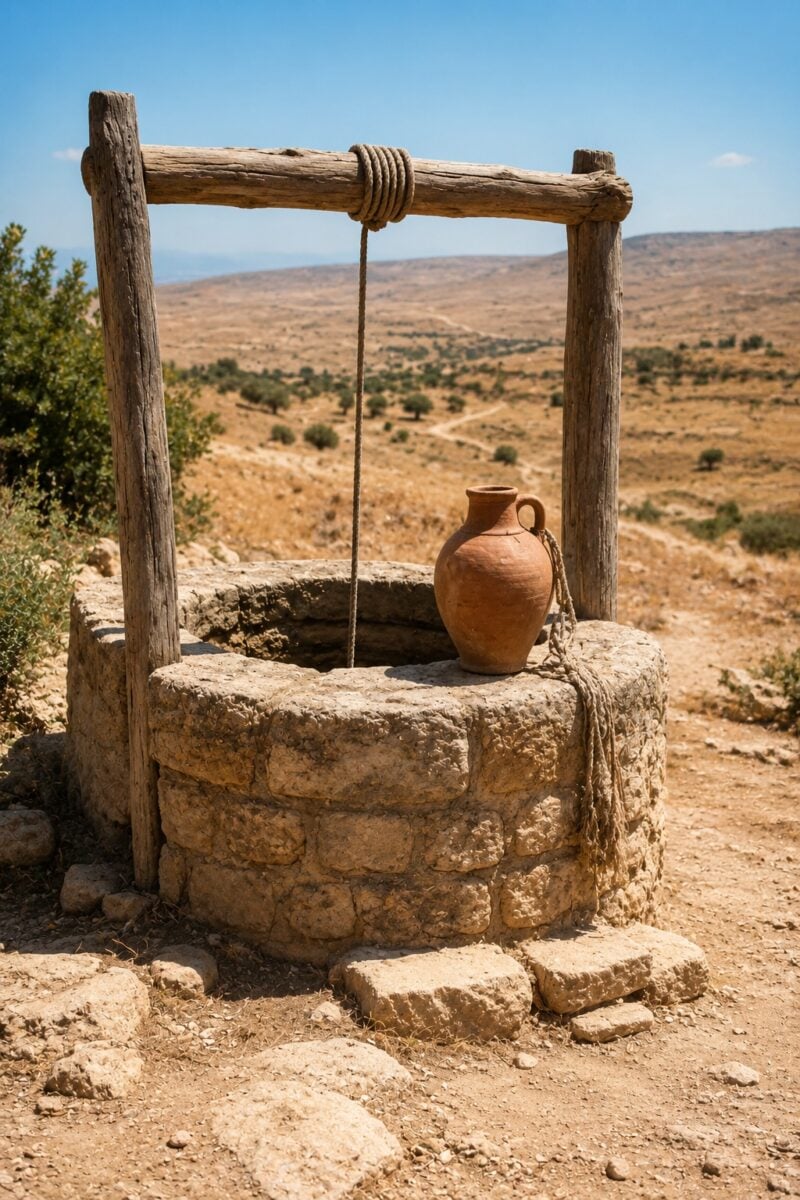
The clearest and most direct teaching Jesus ever gave on worship came not in a sermon or a parable, but in a conversation with a woman at a well. She was a Samaritan, a social and religious outsider, and she raised what was basically a theological argument about which mountain was the right place to worship. Jesus cut through all of it.
“But the hour is coming, and now is, when the true worshipers will worship the Father in spirit and truth; for the Father is seeking such to worship Him. God is Spirit, and those who worship Him must worship in spirit and truth.” — John 4:23–24 (NKJV)
Two requirements. Spirit and truth. Neither of them requires a stage, a microphone, or a particular building. Worship in the Spirit means it flows from the inner life, from genuine encounter with God and not mere performance. Worship in truth means it is grounded in who God actually is, not who we imagine or wish Him to be. This is not complicated, but it is demanding. It asks more of us than showing up on Sunday.
The woman at the well had been asking the wrong question. She was focused on location and tradition. Jesus redirected her entirely. The question was never where she worshiped. It was how and with what kind of heart.
The Radical Claim of Romans 12

If John 4 tells us the character of true worship, Romans 12 tells us its scope.
“I beseech you therefore, brethren, by the mercies of God, that you present your bodies a living sacrifice, holy, acceptable to God, which is your reasonable service.” — Romans 12:1 (NKJV)
That phrase “reasonable service” is one of the most important in all of Paul’s letters. The Greek word is logiken latreia, which some translations render as “spiritual worship” and others as “true worship.” Either way, Paul is saying something breathtaking: the presentation of your entire life, your body, your choices, your daily rhythms, to God as a living offering is your worship. Not a supplement to worship. Not a preparation for worship. It is worship itself.
The call to present our bodies as living sacrifices is not an additional burden but the fitting response to divine mercy, a wholistic worship where inner conviction and outer action become unified expressions of devotion.
I have thought about this verse for most of my Christian life, and I still find it disorienting in the best possible way. It means that Monday morning matters as much as Sunday morning. It means the way you treat the person who frustrates you at work is an act of worship or its absence. It means money, time, appetite, anger, generosity, honesty, and lust are all worship questions.
This is not a heavy burden. It is a liberation. It pulls worship out of a one-hour box and lets it breathe through every hour of every day.
Singing Is Part of It. Just Not All of It.
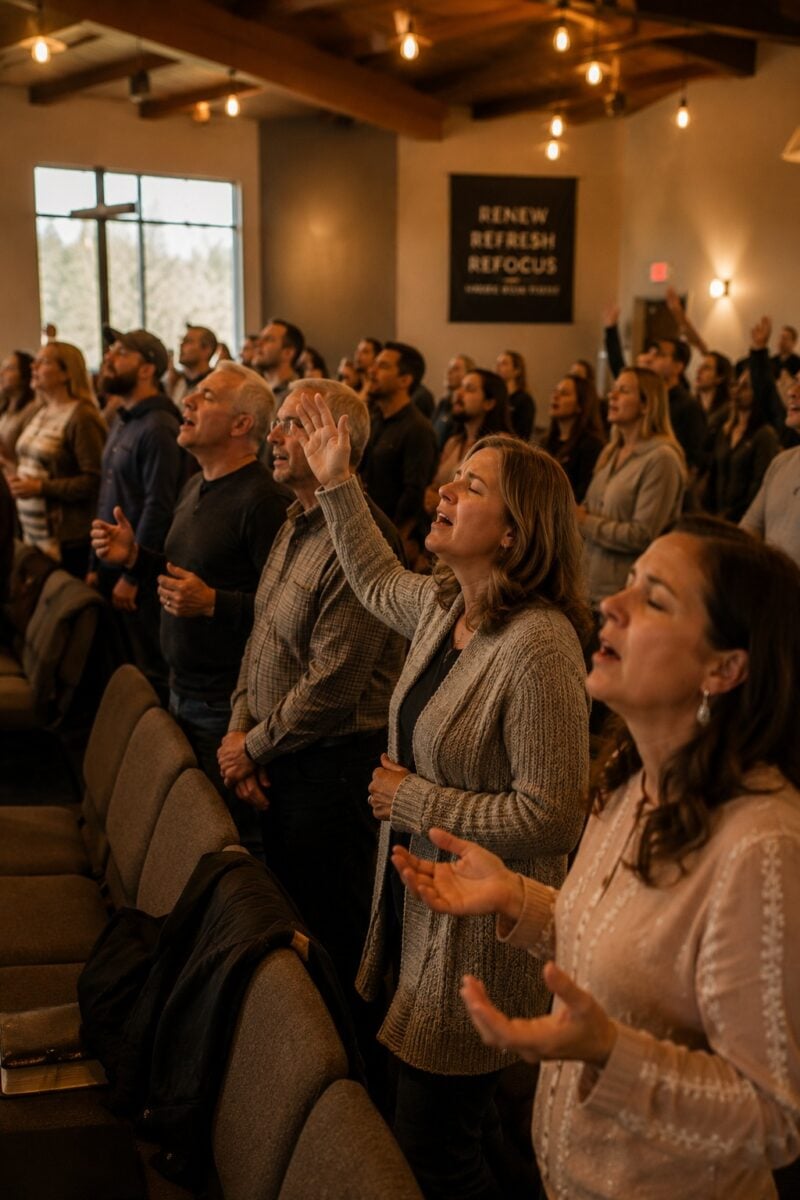
This needs to be said clearly, because the modern church has genuinely confused the two: corporate singing is one form of worship, and it is a beautiful and important one. The Psalms are full of it. The New Testament commands it directly.
“Speaking to one another in psalms and hymns and spiritual songs, singing and making melody in your heart to the Lord.” — Ephesians 5:19 (NKJV)
Music is a powerful vehicle for worship. When the lyrics are grounded in truth and the heart behind them is genuine, singing together engages something in us that prose cannot reach. It connects the emotional, the communal, and the transcendent. There is a reason God commanded it.
But music is a vehicle, not the destination. The essential role of music in worship is real and worth understanding deeply. At the same time, if our only category for worship is the song service, we have severely narrowed something God designed to be vast. A man who sings with raised hands on Sunday and defrauds his employees on Monday is not a worshiper by any biblical definition. A woman who weeps during the worship set but carries bitterness toward her sister for years is performing an emotion, not encountering God.
True biblical worship is centered on God and His unparalleled greatness and cannot be defined solely by physical observances. The outward expression matters, but it is the inward reality that God is after.
Three Expressions of Biblical Worship

Worship Through Surrender
The most foundational form of worship is surrender. It is the shachah, the prostration of the will before God. This is what Abraham practiced when he raised the knife over his son. It is what Job practiced when he fell on his face after losing everything and said, “The Lord gave, and the Lord has taken away; blessed be the name of the Lord” (Job 1:21, NKJV). It is what Jesus Himself modeled in Gethsemane when He prayed, “Not My will, but Yours, be done” (Luke 22:42, NKJV).
Surrender is not passive. It is one of the most active and costly things a human being can do. It requires the ongoing death of our own agenda, our own comfort, our own timeline. And it is, in the clearest sense, worship.
Worship Through Obedience
The prophet Samuel said something to King Saul that shook the religious establishment of his day and still challenges ours:
“Has the Lord as great delight in burnt offerings and sacrifices, as in obeying the voice of the Lord? Behold, to obey is better than sacrifice, and to heed than the fat of rams.” — 1 Samuel 15:22 (NKJV)
Saul had performed the religious ritual. He had offered the sacrifice. But he had disobeyed the direct command of God. And Samuel told him plainly that the ritual meant nothing without obedience. This is a hard word for people who like the feeling of worship without the cost of it.
Obedience is worship. When you say no to something God says no to, you are worshiping. When you give generously even when it is painful, you are worshiping. When you forgive someone who has wronged you, following the command of Christ, you are worshiping. You may not feel anything in that moment. There may be no music. But God sees it, and He receives it.
Ways to worship God in your daily life go far beyond any single practice, precisely because worship is meant to be woven through everything.
Worship Through Praise and Prayer
Corporate and personal praise remain among the most direct forms of worship in Scripture. The Psalms are worship in raw form: honest, exuberant, anguished, and adoring all at once. Twenty Bible verses about worship reveal the breadth of what Scripture models as acceptable before God. Praise is not manufactured happiness; it is a declaration of truth about who God is, even when our circumstances tell a different story.
Prayer, too, is worship. The prayer of adoration, in particular, is worship in its purest form: not asking for anything, not confessing anything, simply beholding God and telling Him what you see. The prayer of adoration is a form of worship in itself, accessible at any moment, in any place.
When Worship Feels Like Nothing
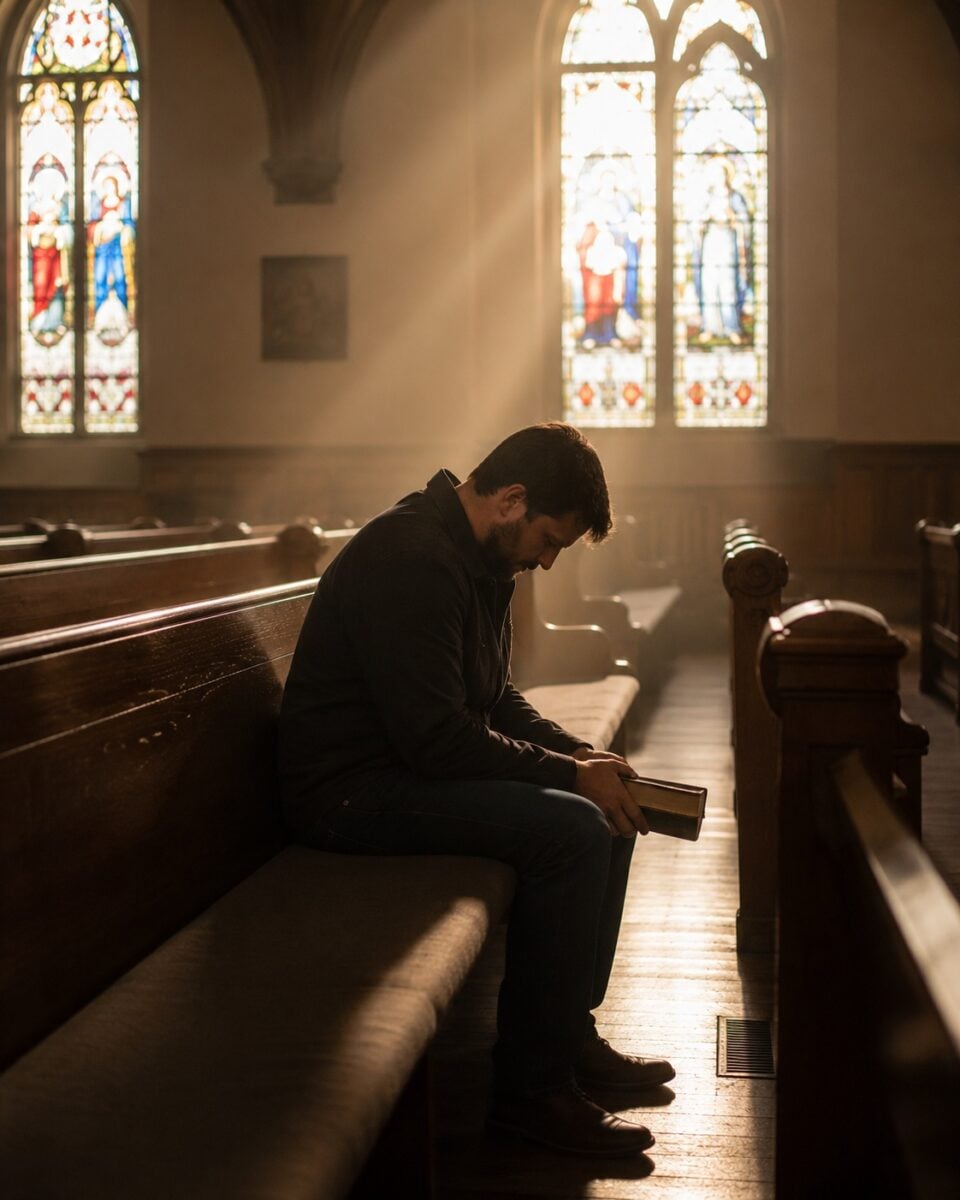
Here is where many sincere believers quietly struggle. They come to a worship service and feel nothing. Or they try to pray and the words fall flat. Or they read Scripture dutifully and come away unmoved. And they wonder if something is wrong with them, or with God.
I have been there. And I want to say this carefully and honestly: feelings are not the measure of true worship. They can accompany worship. They can flow from it. But they are not its substance. There are seasons when God calls us to worship in the dark, to raise our hands or bow our hearts when everything in us feels flat, to declare His goodness when we cannot feel it.
This is not hypocrisy. This is faith. Hebrews 11 is a catalog of people who obeyed God and trusted Him through long stretches when the visible evidence was thin. The Hebrews 11 Hall of Faith is, in a deep sense, a record of sustained worship under pressure.
The discipline of worshiping when you do not feel it is actually a more costly and perhaps more pure form of worship than worship accompanied by strong emotion. You are not worshiping the feeling. You are worshiping God.
Worship and the Whole Life

If Romans 12:1 is right, and it is, then worship cannot be confined to Sunday. The meaning of worship in the Bible encompasses the full scope of a human life offered to God.
Consider what this means practically. The way you handle money is a worship issue. The way you treat your body, what you eat and whether you sleep and whether you rest, is a worship issue. The content you consume, what you let fill your mind through screens and conversations and entertainment, is a worship issue. The way you speak to people you find difficult is a worship issue.
“And whatever you do in word or deed, do all in the name of the Lord Jesus, giving thanks to God the Father through Him.” — Colossians 3:17 (NKJV)
“Whatever you do.” That is not a narrow category. It is every conversation, every decision, every moment of anonymity where no one is watching but God. Paul elsewhere says, “Whether you eat or drink, or whatever you do, do all to the glory of God” (1 Corinthians 10:31, NKJV). Eating and drinking. The most ordinary acts of human life are brought into the category of worship.
How to worship God in everything you do is not an abstract theological idea. It is the shape of the Christian life.
Worship in Hard Times
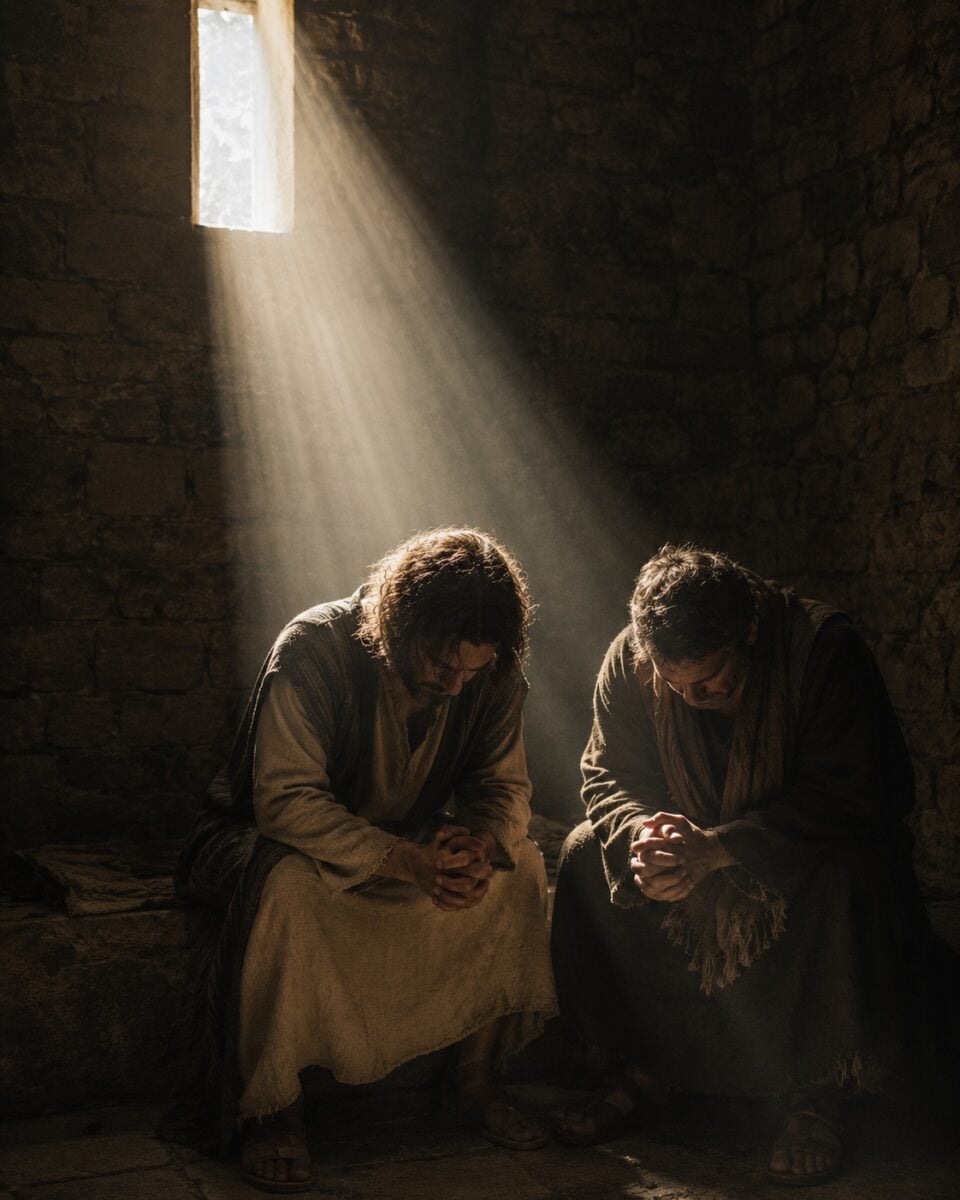
One of the most powerful demonstrations of worship in Scripture is worship under pressure. When Paul and Silas were beaten and thrown into prison in Philippi, they did not rage against their circumstances. At midnight, they prayed and sang hymns to God.
“But at midnight Paul and Silas were praying and singing hymns to God, and the prisoners were listening to them.” — Acts 16:25 (NKJV)
The prisoners were listening. Authentic worship in suffering has an audience and a witness that comfortable worship rarely achieves. There is something about choosing to praise God when every circumstance argues against it that testifies to the reality of who God is more powerfully than any polished Sunday service.
Worship in times of crisis is not denial. It is defiance of despair, grounded in the character of a God who does not change with our circumstances.
A Personal Word
Over the years of pastoring, I have watched people confuse the emotion of worship for the act of it. I have done it myself. A particularly moving song, the right key change at the right moment, and I have felt something that I told myself was the presence of God. Sometimes it was. But not always.
The times I have been most sure I was actually worshiping have not always involved music at all. They have included long, honest conversations with God in ugly moments of grief. They have included choosing to give when I wanted to keep. They have included asking forgiveness from someone I had wronged, with nothing to gain from it except obedience. Those moments, quiet and often uncomfortable, have shaped my soul more than a thousand powerful Sunday mornings.
Bringing It Together
True worship is not a genre of music. It is not an emotional state. It is not confined to a building or a service or a calendar event.
Biblical worship is the ongoing orientation of a human life toward God, expressed in surrender, obedience, praise, prayer, and the daily offering of every ordinary act to His glory. It is declaring His worth with your finances and your relationships as much as with your voice. It is saying with your whole life, not just your lips, that He is worthy.
The good news is that this kind of worship does not require talent or a platform. It does not require the right atmosphere or the right band. It requires only a willing heart and a renewed mind, which is exactly what God promises to provide.
“Create in me a clean heart, O God, and renew a steadfast spirit within me.” — Psalm 51:10 (NKJV)
That prayer is itself an act of worship. And when God answers it, everything that follows can be worship too.
Take a Next Step
If you want to grow in the practice of whole-life worship, here are a few places to begin:
- Spend five minutes each morning before any screen, phone, or conversation, simply declaring aloud who God is. Not asking for anything. Just speaking truth about Him.
- Ask yourself once this week: “Is what I am about to do something I can offer to God as worship?” Let that question shape a decision.
- Explore what the Bible actually teaches about worship by working through a structured study. The biblical foundations of worship study series and the 13-lesson Bible study series on worship are both excellent places to go deeper.
- Consider personal versus communal worship and whether you are cultivating both.
Resources
- GotQuestions.org: What is the definition of worship?
- Spirit & Truth: What is true biblical worship?
- The Gospel Coalition Canada: What does it mean to be a living sacrifice in Romans 12:1–3?
- Working Preacher (Luther Seminary): Commentary on Romans 12:1–8
- Worship Arts Conservatory: What is Worship? (Shachah)
- Worship Arts Conservatory: What is Worship? (Proskuneo)
By Duke Taber

Pastor Duke has been preaching and teaching the Bible since 1988. He has shared his knowledge online since 2011.

 By
By