
The Old Testament unfolds God’s magnificent redemption plan across thousands of years of human history. From Genesis to Malachi, a divine narrative emerges that points consistently toward ultimate salvation through Christ.
This bird’s eye view reveals not random stories but a carefully orchestrated journey. The Creator’s unwavering commitment to restore fallen humanity appears through covenants with Abraham, Moses, and David—each revealing more of His redemptive purpose.
By examining these ancient texts from this elevated perspective, readers discover how seemingly disconnected events form a cohesive storyline. The tabernacle, sacrificial system, and prophetic utterances all foreshadow the perfect redemption that would one day be fulfilled in the New Testament.
Understanding Redemption in the Old Testament
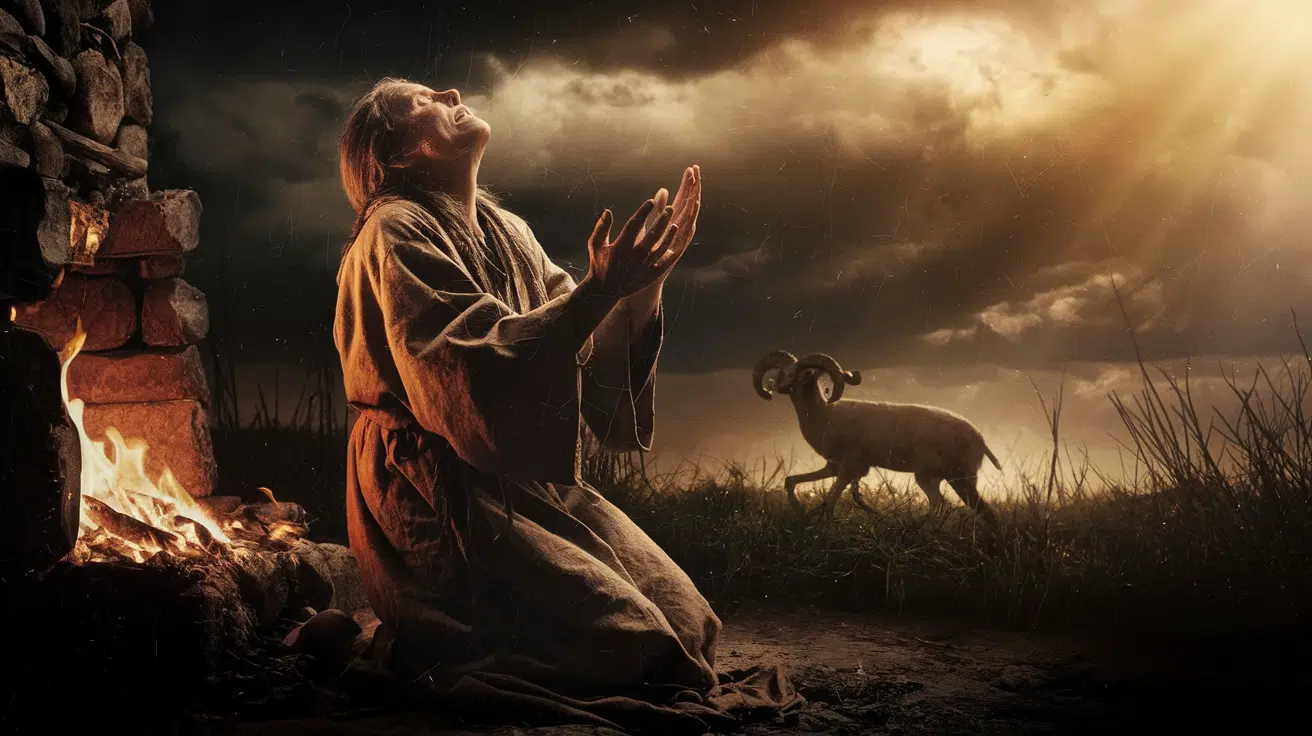
Redemption forms the heartbeat of God’s relationship with humanity throughout the Old Testament. It’s a powerful concept describing how God reclaims, restores, and releases His people from bondage.
The Hebrew word “gaal” captures the essence of redemption, signifying the payment of a price to secure freedom. This term appears prominently in Exodus when God declares His intent to deliver Israel from Egyptian slavery.
“I will redeem you with an outstretched arm and with great judgments” (Exodus 6:6, NKJV).
Redemption in the Old Testament manifests through three primary dimensions:
- Physical liberation – God’s deliverance of Israel from Egyptian bondage
- Spiritual restoration – Cleansing from sin through the sacrificial system
- Relational renewal – Restoration of covenant relationship with God
The Passover represents the most vivid picture of redemption, where blood marked the doorposts of Israelite homes. This sacrificial protection foreshadowed Christ’s ultimate redemptive work.
The kinsman-redeemer concept, beautifully illustrated in the book of Ruth, demonstrates how a close relative could redeem property and restore family lines. Boaz fulfilled this role for Ruth, becoming part of the lineage leading to Jesus.
| Redemption Symbol | Old Testament Example | Significance |
|---|---|---|
| Blood sacrifice | Passover lamb | Substitutionary atonement |
| Kinsman-redeemer | Boaz in Ruth | Family restoration |
| Year of Jubilee | Leviticus 25 | Complete liberation |
| Tabernacle rituals | Day of Atonement | Cleansing from sin |
The prophets expanded this redemptive vision, pointing to a future where God would permanently redeem His people. Isaiah particularly emphasized this coming redemption:
“Fear not, for I have redeemed you; I have called you by your name; You are Mine” (Isaiah 43:1, NKJV).
This progressive revelation of redemption created anticipation for the Messiah who would bring complete deliverance. Every sacrificial lamb, every act of divine intervention, and every prophetic utterance pointed toward the ultimate redemption that would come through Christ.
Creation and the Fall: The Beginning of Redemption’s Story
The narrative of redemption begins in the opening chapters of Genesis with creation and humanity’s subsequent fall. These foundational events establish both the need for redemption and God’s immediate response to humanity’s brokenness, setting the stage for His redemptive plan throughout Scripture.
God’s Original Design in Genesis
Genesis reveals God’s perfect design for creation and humanity’s unique position within it. God crafted a world of order, beauty, and purpose in six days, declaring each element “good” with humanity as His crowning achievement.
Humans were created in God’s image, distinct from all other creatures. Genesis 1:27 states, “So God created man in His own image; in the image of God He created him; male and female He created them.“
This divine image gave humanity:
- Authority to rule over creation
- Capacity for relationship with God
- Ability to reflect God’s character
- Purpose to represent God on earth
Adam and Eve lived in perfect harmony with God, each other, and creation in Eden. They enjoyed:
- Intimate fellowship with God
- Meaningful work without toil
- Complete provision for their needs
- Freedom within appropriate boundaries
This paradise represented God’s intended state for humanity—a relationship of trust, obedience, and love within His perfect creation.
The Promise of Restoration After Eden
The fall shattered God’s perfect design when Adam and Eve disobeyed by eating from the forbidden tree. Sin entered human experience, bringing immediate consequences of shame, blame, and separation from God.
Yet in this darkest moment, God initiated His redemption plan. Genesis 3:15 contains the proto-evangelium—the first gospel promise: “And I will put enmity between you and the woman, and between your seed and her Seed; He shall bruise your head, and you shall bruise His heel.“
This prophetic statement reveals three key elements:
- Conflict between Satan and humanity
- The coming of a specific “Seed” (descendant)
- Ultimate victory over evil through this Seed
God demonstrated His mercy even in judgment. Rather than leaving Adam and Eve in their shame, He provided animal skins as coverings—establishing the principle that redemption requires sacrifice.
The expulsion from Eden wasn’t merely punishment but protection, preventing humanity from living eternally in a fallen state. God placed cherubim to guard Eden’s entrance, showing both His holiness and His intention to restore access to His presence through a future redemptive plan.
The Patriarchs: Covenant Promises as Redemptive Framework

The patriarchal narratives in Genesis establish the covenantal foundation for God’s redemptive work throughout Scripture. Abraham, Isaac, Jacob, and Joseph become the human vessels through which God reveals His plan to restore fallen humanity and bless all nations.
Abraham’s Call and God’s Redemptive Plan
Abraham’s journey begins with a divine summons that transforms human history. God calls Abram out of Ur with a series of promises that form the backbone of biblical redemption.
“Get out of your country, from your family and from your father’s house, to a land that I will show you. I will make you a great nation; I will bless you and make your name great; and you shall be a blessing.” (Genesis 12:1-2)
This covenant includes three key redemptive elements:
- Land – A physical inheritance pointing to spiritual rest
- Seed – Descendants culminating in the Messiah
- Blessing – God’s favor extending to all nations
Abraham’s faith response demonstrates the human side of redemption—trusting God’s promises even though impossible circumstances. The miraculous birth of Isaac at age 100 confirms God’s power to fulfill seemingly impossible promises.
God’s test of Abraham in Genesis 22 dramatically foreshadows the substitutionary sacrifice central to redemption. As Abraham prepared to offer Isaac, God provided a ram, establishing the pattern of divine provision for sacrifice that would find fulfillment in Christ.
Abraham’s covenant was sealed through circumcision, marking his descendants as participants in God’s redemptive plan. This physical sign pointed to the spiritual reality of heart transformation necessary for redemption.
Jacob and Joseph: Redemption Through Preservation
Jacob’s story reveals redemption working through flawed individuals. Even though his deceptive nature, God transforms Jacob into Israel, father of the twelve tribes.
Jacob’s midnight wrestling match with God at Peniel demonstrates the transformative nature of divine encounter:
“Your name shall no longer be called Jacob, but Israel; for you have struggled with God and with men, and have prevailed.” (Genesis 32:28)
This name change signifies Jacob’s spiritual transformation from deceiver to prince with God. His limp afterward serves as a permanent reminder that redemption often comes through brokenness.
Joseph’s narrative completes Genesis with a powerful redemption motif. Sold by his brothers into slavery, Joseph rises to become Egypt’s prime minister and the instrument of his family’s salvation during famine.
Joseph’s perspective on his suffering reveals the hidden dimension of God’s redemptive work:
“But as for you, you meant evil against me; but God meant it for good, to bring it about as it is this day, to save many people alive.” (Genesis 50:20)
The Joseph story establishes key redemptive patterns:
| Redemptive Pattern | Joseph’s Experience | Spiritual Significance |
|---|---|---|
| Suffering before glory | Slavery and prison | Christ’s suffering before exaltation |
| Divine sovereignty | God using evil intentions for good | God’s overruling providence |
| Preservation of seed | Saving family from famine | Preserving messianic line |
| Reconciliation | Forgiveness of brothers | Restoration of broken relationships |
Through Joseph, God preserves the covenant family that will become Israel, ensuring the continuation of His redemptive plan even though human failure and natural disaster.
Exodus: The Ultimate Redemption Narrative
Exodus stands as the archetypal redemption story in Scripture, establishing patterns that echo throughout the biblical narrative. In these pivotal chapters, God dramatically demonstrates His power and commitment to deliver His people from bondage to freedom.
Passover as Redemptive Symbolism
The Passover represents God’s most powerful redemptive symbol in the Old Testament. Blood marked on doorposts protected Israelite households from death, foreshadowing Christ’s sacrificial blood.
“For the LORD will pass through to strike the Egyptians; and when He sees the blood on the lintel and on the two doorposts, the LORD will pass over the door and not allow the destroyer to come into your houses to strike you.” (Exodus 12:23)
The lamb’s requirements—unblemished, male, one year old—prefigured Christ’s perfect nature. Each household participated in this redemptive act, showing salvation’s personal application.
The consumption of unleavened bread symbolized haste and purity, while bitter herbs represented the suffering endured in slavery. These elements combined to create a multi-sensory memorial of God’s deliverance.
Passover established a perpetual reminder for future generations, becoming Israel’s foundational celebration. It connected physical deliverance with spiritual truth, creating an annual opportunity for Israel to remember their redemption.
This ritual pointed forward to Jesus, who transformed these symbols during the Last Supper. The Passover lamb found its ultimate fulfillment in Christ, “our Passover lamb” (1 Corinthians 5:7).
Liberation From Slavery as Redemptive Act
Israel’s physical liberation from Egypt reveals God’s pattern for spiritual redemption. After 430 years of bondage, God orchestrated a dramatic deliverance that demonstrated His power over earthly kingdoms.
“I am the LORD; I will bring you out from under the burdens of the Egyptians, I will rescue you from their bondage, and I will redeem you with an outstretched arm and with great judgments.” (Exodus 6:6)
The ten plagues systematically dismantled Egypt’s false gods, proving Yahweh’s supreme authority. Each plague targeted specific Egyptian deities, establishing God’s sovereignty over creation and pagan worship systems.
Moses served as God’s redemptive agent, even though his personal flaws and hesitations. His leadership illustrates how God works through imperfect vessels to accomplish perfect redemption.
The Red Sea crossing physically separated Israel from their oppressors, creating a dramatic picture of complete deliverance. This watershed moment became a reference point throughout Scripture for God’s redemptive power.
Liberation entailed more than physical freedom—it established Israel’s identity as God’s covenant people. The exodus transformed them from slaves to sons, from Pharaoh’s property to God’s treasured possession.
This physical redemption laid the groundwork for spiritual redemption through the law and sacrificial system that followed at Sinai. God’s purpose extended beyond mere liberation to relationship and worship.
The Law and Sacrificial System: Pathways to Redemption
God established the law and sacrificial system as central pathways to redemption for Israel. These divine institutions provided tangible means for sinful humans to approach a holy God through specific rituals and offerings that addressed the problem of sin.
Atonement and Covering of Sin
The Hebrew sacrificial system centered on atonement—the process of covering sin to restore relationship with God. Leviticus details five main offerings that addressed different aspects of human sinfulness: burnt offerings, grain offerings, peace offerings, sin offerings, and guilt offerings.
Each sacrifice served a specific redemptive purpose. Burnt offerings symbolized complete devotion to God. Sin offerings provided atonement for unintentional sins. Guilt offerings addressed specific violations requiring restitution.
The blood of sacrificial animals played a crucial role in this system. God declared in Leviticus 17:11:
“For the life of the flesh is in the blood, and I have given it to you upon the altar to make atonement for your souls; for it is the blood that makes atonement for the soul.”
This blood-based atonement established several key theological principles:
- The reality of sin’s consequences (death)
- The possibility of substitution (innocent for guilty)
- The necessity of blood sacrifice
- The temporary nature of animal sacrifices
These sacrifices never permanently solved the sin problem but pointed to a future, perfect redemption.
The Day of Atonement as Ultimate Redemptive Picture
The Day of Atonement (Yom Kippur) represented the highest expression of Israel’s sacrificial system. Described in Leviticus 16, this annual observance provided comprehensive cleansing for the entire nation.
The high priest performed elaborate rituals involving two goats:
| Goat | Purpose | Symbolic Meaning |
|---|---|---|
| Sacrificed Goat | Blood brought into Holy of Holies | Atonement through death |
| Scapegoat | Sent into wilderness bearing sins | Removal of sin’s guilt |
This ceremony required the high priest to enter the Holy of Holies—the only person allowed and only on this day. There, he sprinkled blood on the mercy seat, the symbolic throne of God’s presence.
The Day of Atonement foreshadowed Christ’s perfect sacrifice in three ways:
- It addressed both the penalty of sin (through death) and the presence of sin (through removal)
- It required a mediator between God and people
- It demonstrated the insufficiency of the system through annual repetition
Hebrews 9:7-8 explains:
“But into the second part the high priest went alone once a year, not without blood, which he offered for himself and for the people’s sins committed in ignorance; the Holy Spirit indicating this, that the way into the Holiest of All was not yet made manifest while the first tabernacle was still standing.”
This temporary system created anticipation for the ultimate redemptive sacrifice that would permanently restore humanity to God.
Judges and Kings: Redemption Through Leadership
The periods of Judges and Kings showcase God’s redemptive work through human leadership in Israel’s history. These narratives reveal how God consistently raised up individuals to deliver His people from the consequences of their sin and to establish His covenant purposes.
The Cycle of Sin and Deliverance
The book of Judges presents a recurring pattern of redemption through temporary deliverers. This cycle moved predictably through four phases: sin, suffering, supplication, and salvation. Israel would abandon God’s ways, face oppression from surrounding nations, cry out in repentance, and God would raise up a judge to deliver them.
Judges like Othniel, Deborah, Gideon, and Samson demonstrated God’s willingness to work through flawed human instruments. Each judge provided temporary relief from oppression, yet the underlying spiritual problem remained unresolved.
“When the Lord raised up judges for them, the Lord was with the judge and delivered them out of the hand of their enemies all the days of the judge.” (Judges 2:18)
The chaotic refrain “everyone did what was right in his own eyes” (Judges 21:25) highlights Israel’s need for permanent redemptive leadership. This leadership vacuum pointed toward the necessity of a righteous king who would guide the people according to God’s standards.
Even though human failures, God remained faithful to His redemptive purpose. The judges’ victories came not through human strength but through God’s empowering Spirit, foreshadowing the Spirit-led leadership that would characterize God’s ultimate Redeemer.
David’s Kingdom as Redemptive Foreshadowing
David’s rule represents the high point of Old Testament kingship and a powerful picture of God’s redemptive plan. After Saul’s failure, God established David as “a man after His own heart” (1 Samuel 13:14) whose kingdom would prefigure the Messiah’s reign.
The Davidic covenant expanded God’s redemptive promises. God told David:
“Your house and your kingdom shall be established forever before you. Your throne shall be established forever.” (2 Samuel 7:16)
This covenant looked beyond David to a greater King who would bring eternal redemption. David’s conquests and consolidation of Israel brought rest to the nation, creating a shadow of the ultimate rest God’s people would find in Christ.
David’s life also demonstrated redemption through restoration after sin. His adultery with Bathsheba and its devastating consequences showed the reality of sin’s damages. Yet God’s mercy and David’s repentance (Psalm 51) revealed the path to restoration.
Jerusalem’s establishment as Israel’s capital and the preparations for the temple further advanced God’s redemptive narrative. These actions created a central place of worship and sacrifice where God’s presence would dwell among His people, pointing toward the day when God would tabernacle among humanity through Christ.
Prophetic Literature: Redemption Promised
Prophetic literature in the Old Testament amplifies God’s redemptive promises with extraordinary clarity and passion. These prophetic voices arose during Israel’s darkest periods to reveal God’s commitment to ultimate restoration even though present judgment.
Isaiah’s Suffering Servant
Isaiah’s prophecies provide the most vivid portrait of redemption through the mysterious Suffering Servant. In Isaiah 53, this Servant’s sacrificial role is depicted with stunning detail:
“He was wounded for our transgressions, He was bruised for our iniquities; the chastisement for our peace was upon Him, and by His stripes we are healed.” (Isaiah 53:5)
The Servant willingly bears others’ sins, becoming the ultimate substitutionary sacrifice. Isaiah connects this sacrifice directly to redemption:
“For your Maker is your husband, the LORD of hosts is His name; and your Redeemer is the Holy One of Israel.” (Isaiah 54:5)
This prophetic picture includes:
- Vicarious suffering for others
- Silent endurance of punishment
- Burial among the wicked
- Ultimate exaltation and victory
Isaiah also announces a coming Redeemer who will liberate captives and restore joy:
“The Spirit of the Lord GOD is upon Me, because the LORD has anointed Me to preach good tidings to the poor; He has sent Me to heal the brokenhearted, to proclaim liberty to the captives.” (Isaiah 61:1)
These prophecies created anticipation for a Messiah who would transform suffering into salvation.
Ezekiel’s Vision of Restoration
Ezekiel prophesied during Israel’s Babylonian exile, offering hope through powerful restoration imagery. His famous vision of dry bones coming to life symbolizes Israel’s national and spiritual resurrection:
“Behold, O My people, I will open your graves and cause you to come up from your graves, and bring you into the land of Israel.” (Ezekiel 37:12)
This vision portrays redemption as:
- Physical restoration to the land
- Spiritual revival through God’s Spirit
- National reunification
- Establishment of an everlasting covenant
Ezekiel’s temple vision (chapters 40-48) depicts perfect worship restored. The river flowing from the temple transforms everything it touches:
“Along the bank of the river, on this side and that, will grow all kinds of trees used for food; their leaves will not wither, and their fruit will not fail.” (Ezekiel 47:12)
Ezekiel prophesies a fundamental heart transformation that enables true covenant relationship:
“I will give you a new heart and put a new spirit within you; I will take the heart of stone out of your flesh and give you a heart of flesh.” (Ezekiel 36:26)
This internal renewal represents the deepest form of redemption—hearts transformed to love and obey God naturally.
Exile and Return: Redemption in National History
Israel’s exile and subsequent return represents one of the most profound redemptive cycles in Old Testament history. This national experience of captivity and restoration illustrates God’s faithfulness to His covenant promises even though His people’s unfaithfulness. The exile-return narrative demonstrates how God uses even national tragedy to accomplish His redemptive purposes.
Captivity as Divine Discipline
Israel’s exile to Babylon wasn’t merely political misfortune but divine discipline with redemptive purpose. The prophets had warned for generations that continued idolatry would result in removal from the Promised Land. Jeremiah explicitly framed the coming exile as God’s corrective measure:
“And this whole land shall be a desolation and an astonishment, and these nations shall serve the king of Babylon seventy years.” (Jeremiah 25:11)
God’s discipline through exile accomplished three redemptive purposes:
- Purification from idolatry – Israel entered captivity worshiping false gods but returned with renewed monotheistic commitment
- Preservation of the remnant – God protected a faithful core through whom His redemptive plan would continue
- Preparation for future redemption – Exile created spiritual hunger for the promised Messiah
Daniel’s faithful witness in Babylon demonstrated how God remained present with His people even in captivity. Ezekiel’s temple visions offered hope beyond immediate circumstances. The exile paradoxically strengthened Israel’s identity as God’s covenant people by forcing them to maintain distinctive practices without temple worship.
Restoration to the Land as Redemptive Act
Israel’s return from Babylonian captivity represented a second exodus—another dramatic act of national redemption. Persian King Cyrus’s decree allowing Jewish repatriation fulfilled Isaiah’s prophecy made 150 years earlier:
“Who says of Cyrus, ‘He is My shepherd, and he shall perform all My pleasure, saying to Jerusalem, “You shall be built,” and to the temple, “Your foundation shall be laid.”‘” (Isaiah 44:28)
The books of Ezra and Nehemiah document this restoration journey with specific redemptive elements:
- The rebuilding of the temple restored proper worship
- The reconstruction of Jerusalem’s walls reestablished national security
- The public reading of the Law renewed covenant commitment
This physical restoration pointed toward greater spiritual restoration. Zechariah prophesied during this period:
“Rejoice greatly, O daughter of Zion! Shout, O daughter of Jerusalem! Behold, your King is coming to you; He is just and having salvation, lowly and riding on a donkey, a colt, the foal of a donkey.” (Zechariah 9:9)
The exile-return narrative established a crucial pattern: God’s redemptive work often involves painful discipline followed by gracious restoration. This historical cycle created anticipation for the ultimate redemption through the Messiah who would deliver His people not just from political oppression but from sin itself.
How Does God’s Mercy in Eden Relate to His Redemption Plan in the Old Testament?
God’s mercy amidst eden’s curse reveals profound themes in the Old Testament. After humanity’s fall, God’s compassion unfolds through covenants, offering hope and restoration. This mercy serves as a precursor to redemption, illustrating His unwavering commitment to humanity despite sin, ultimately leading to the promise of salvation through His chosen people.
Conclusion
God’s redemptive plan threads through every narrative of the Old Testament like a masterfully woven world. From Eden’s brokenness to Israel’s restoration after exile each story builds upon the previous revealing God’s unwavering commitment to reclaim His people.
The covenants with Abraham Moses and David aren’t isolated agreements but progressive revelations of salvation. Blood sacrifices temporary deliverers and prophetic visions all point toward the ultimate Redeemer who would fulfill what these shadows merely illustrated.
This bird’s-eye view reveals that redemption isn’t just a New Testament concept. It’s the heartbeat of Scripture from Genesis onward as God persistently works to transform humanity’s bondage into freedom judgment into mercy and separation into relationship—all finding their perfect fulfillment in Christ.
Share On Pinterest!

Related Posts

Faith in the Old Testament vs. New Testament — Key Differences
Last updated: May 2026 Discover how old testament vs new testament faith evolved from covenant obedience to personal relationship with Christ. Learn the key differences today.
 May 13, 2026
The Hebrews 11 'Hall of Faith' — A Deep Dive
Last updated: May 2026 Explore Hebrews 11's hall of faith and discover how biblical heroes like Abel, Noah, and Abraham trusted God against impossible odds. Read our deep dive analysis.
May 15, 2026
Why Is Faith So Important in Christianity?
Last updated: May 2026 Discover why faith is the foundation of the Christian life — how it connects you to salvation, shapes how you see the world, and transforms your relationship with God every day.
May 18, 2026
Healing in the Old Testament vs. the New Testament: One God, Two Covenants, One Unbroken Thread
Last updated: June 2026 Explore how healing works in the Old and New Testaments, what changed with Jesus, and what God's promises mean for you today.
May 11, 2026


 By
By


