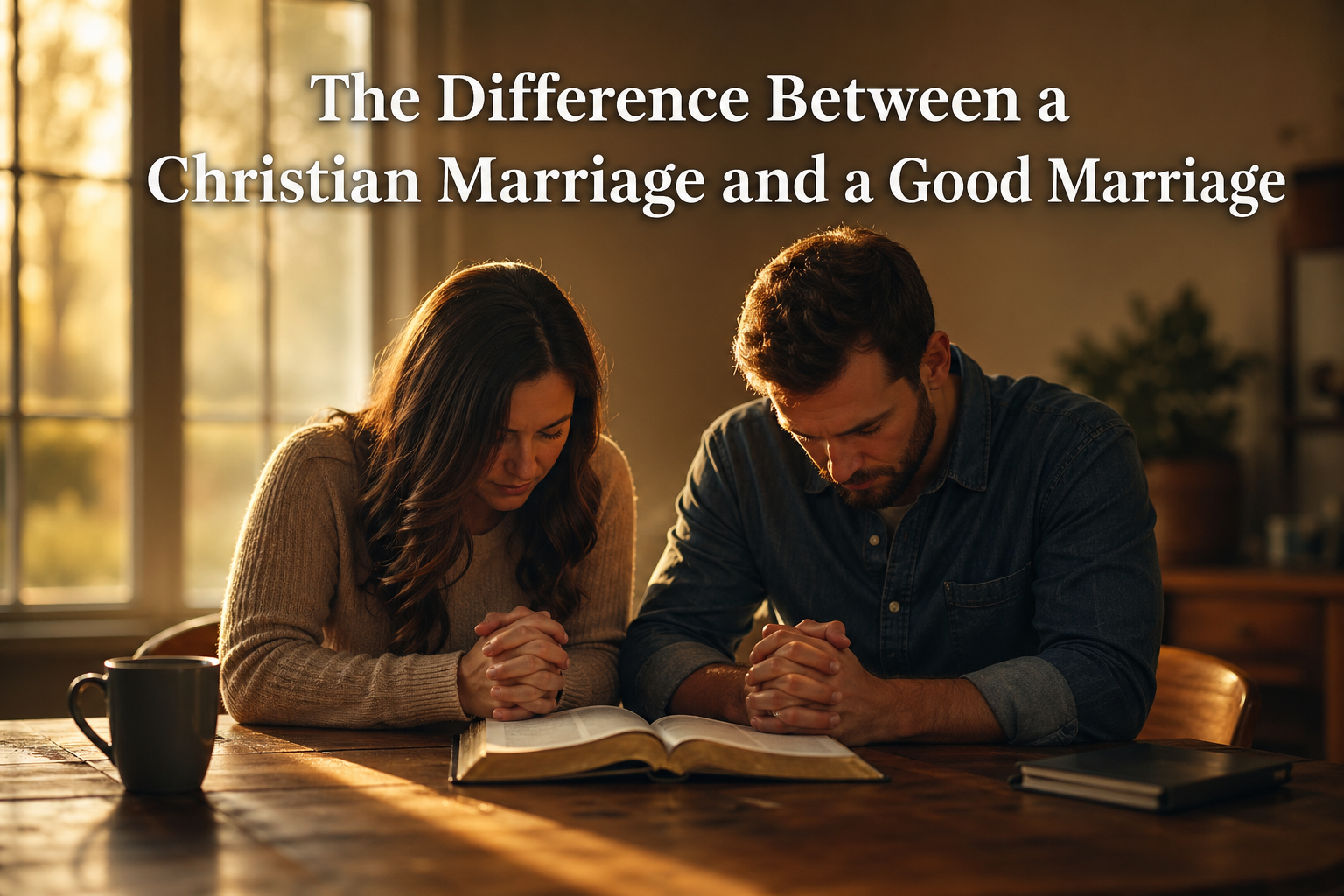

By Duke Taber
In our culture today, we often hear about the qualities of a “good marriage”—compatibility, communication, shared interests, and mutual happiness. While these elements certainly matter, there’s a profound difference between what the world calls a good marriage and what Scripture defines as a Christian marriage. As believers, we’re called to something far deeper and more transformative than cultural definitions of marital success.
The distinction isn’t merely semantic. It touches the very foundation of why we marry, how we approach our relationships, and what we hope to accomplish together. When I speak with couples in our church, I often find that many have unknowingly adopted secular marriage philosophies while hoping for biblical outcomes. This disconnect can lead to frustration, unmet expectations, and marriages that look successful on the outside but lack spiritual vitality.
Let me share with you what Scripture reveals about the fundamental differences between these two approaches to marriage, and why understanding this distinction could revolutionize your relationship.

The Foundation: Covenant vs. Contract
The most significant difference between a Christian marriage and a good marriage lies in their foundational understanding. Secular marriages often operate as contracts—agreements between two parties that can be modified or dissolved when terms are no longer satisfactory. Christian marriage, however, is a sacred covenant established before God.
“Therefore what God has joined together, let not man separate.” — Matthew 19:6 (NKJV)
This covenant perspective changes everything. In a contractual mindset, marriage exists primarily for personal fulfillment and happiness. When those needs aren’t met, the contract can be renegotiated or terminated. But covenant marriage recognizes that God Himself has joined two people together for His purposes, which extend far beyond our immediate comfort or satisfaction.
Research consistently shows that this foundational difference produces measurable results. Active conservative Protestants who attend church regularly are 35% less likely to divorce than those with no religious preferences, and couples with strong common faith have a 35% lower divorce risk overall.
The covenant perspective doesn’t mean staying in harmful or abusive situations—Scripture clearly addresses such circumstances. Rather, it means approaching marriage challenges with the understanding that God has purposes in our union that may not always align with our immediate desires for comfort or happiness.
Purpose: Self-Fulfillment vs. God’s Glory
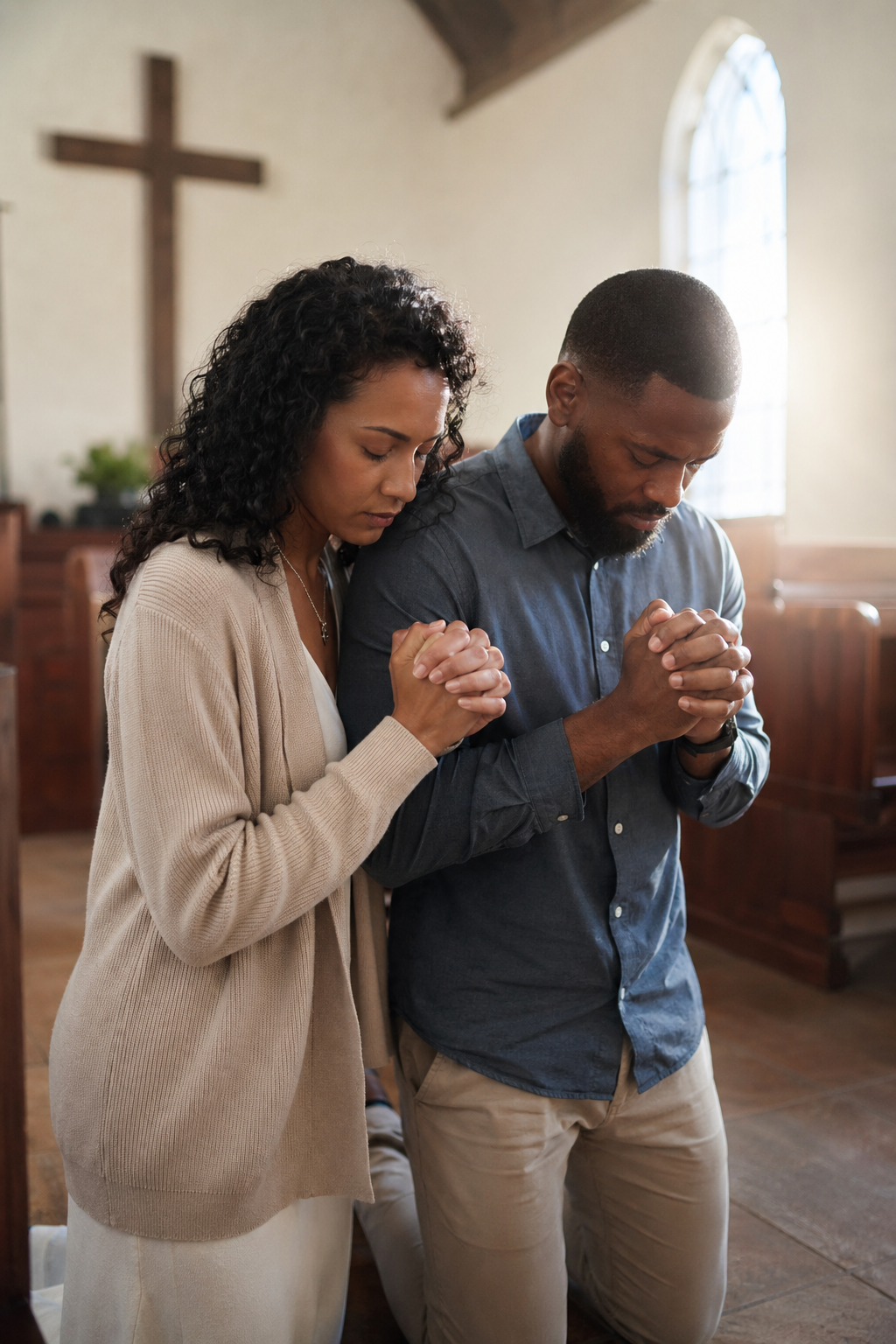
Perhaps nowhere is the difference more stark than in the ultimate purpose each approach assigns to marriage. Good marriages, as defined by secular culture, exist primarily for personal fulfillment, companionship, and mutual happiness. Christian marriage encompasses these benefits but is fundamentally oriented toward something greater: bringing glory to God and growing in Christlikeness together.
“And whatever you do in word or deed, do all in the name of the Lord Jesus, giving thanks to God the Father through Him.” — Colossians 3:17 (NKJV)
This doesn’t diminish the joy and fulfillment found in marriage—quite the opposite. When we align our marriages with God’s purposes, we often discover depths of satisfaction and meaning that self-focused approaches simply cannot provide. What God’s Design for Marriage Actually Looks Like reveals how divine purpose enhances rather than diminishes marital joy.
In practical terms, this means that Christian couples make decisions based not only on what makes them happy in the moment, but on what honors God and serves His kingdom. This might mean sacrificing immediate pleasures for long-term spiritual growth, choosing forgiveness over resentment, or persevering through difficult seasons because of their commitment to God’s purposes.
The Role of Scripture in Marriage

One of the clearest distinctions between Christian marriage and good marriage lies in the role of Scripture. While secular approaches to marriage may draw wisdom from psychology, sociology, and personal experience, Christian marriage is fundamentally shaped by biblical truth.
“All Scripture is given by inspiration of God, and is profitable for doctrine, for reproof, for correction, for instruction in righteousness.” — 2 Timothy 3:16 (NKJV)
This doesn’t mean we ignore practical wisdom from other sources, but rather that we filter all marriage advice through the lens of Scripture. The Biblical Foundation of Marriage (And Why It Matters Today) demonstrates how God’s Word provides both the framework and the specific guidance needed for thriving marriages.
Biblical principles like mutual submission, sacrificial love, and forgiveness aren’t merely suggestions for consideration—they’re foundational truths that shape how Christian couples relate to one another. When conflicts arise, Christian couples have the advantage of objective truth to guide their resolution rather than relying solely on feelings or cultural trends.
Success Metrics: Happiness vs. Holiness

The world measures marital success primarily through happiness, satisfaction, and personal fulfillment. These metrics, while not inherently wrong, provide an incomplete picture of what marriage can and should accomplish. Christian marriage certainly includes joy and satisfaction, but it measures success through the lens of spiritual growth and holiness.
“But as He who called you is holy, you also be holy in all your conduct.” — 1 Peter 1:15 (NKJV)
This shift in metrics has profound implications. A couple going through a difficult season might be considered “failing” by worldly standards if they’re struggling or unhappy. But from a Christian perspective, if both spouses are growing in patience, perseverance, and dependence on God, their marriage is succeeding in its primary purpose.
Research supports this approach. Studies show that couples who attend church weekly are 47% less likely to divorce, suggesting that spiritual priorities contribute significantly to marital stability and satisfaction.
This doesn’t mean Christian marriages ignore happiness or that suffering is the goal. Rather, it recognizes that true joy often comes through the process of becoming more like Christ, even when that process involves temporary discomfort or sacrifice.
The Role of Community and Accountability

Good marriages often emphasize the importance of the couple’s relationship in isolation, focusing on what the two individuals can accomplish together. Christian marriage, while certainly celebrating the unique bond between spouses, recognizes the vital role of Christian community and accountability.
“Iron sharpens iron, so a man sharpens the countenance of his friend.” — Proverbs 27:17 (NKJV)
The body of Christ provides essential support, wisdom, and accountability that strengthens marriages. Statistical evidence shows that church-active Christians have divorce rates 27-50% lower than non-churchgoers, highlighting the practical benefits of spiritual community.
Christian marriages don’t exist in isolation but as part of God’s larger family. This community provides prayer support during difficult times, wisdom from more experienced couples, and accountability to help couples stay committed to biblical principles even when emotions or circumstances make it challenging.
Handling Conflict: Resolution vs. Sanctification

Every marriage faces conflict, but Christian and secular approaches handle these challenges very differently. Good marriages focus primarily on conflict resolution—finding solutions that satisfy both parties and restore harmony. Christian marriages certainly value resolution, but they also view conflict as an opportunity for sanctification.
“Be angry, and do not sin: do not let the sun go down on your wrath.” — Ephesians 4:26 (NKJV)
This perspective transforms how couples approach disagreements. Rather than simply trying to win arguments or find compromises, Christian couples can ask: “How is God using this conflict to make us more like Christ?” Biblical Ways to Handle Conflict in Marriage explores how this approach leads to deeper unity and spiritual growth.
This doesn’t mean prolonging conflicts unnecessarily or avoiding practical solutions. Instead, it means recognizing that God often uses marital friction to reveal areas where we need to grow in grace, patience, humility, or forgiveness.
The Power of Prayer and Spiritual Intimacy

While good marriages may include couples who pray together occasionally, Christian marriages are built on the foundation of regular prayer and spiritual intimacy. This creates a dimension of relationship that secular approaches simply cannot access.
“Again I say to you that if two of you agree on earth concerning anything that they ask, it will be done for them by My Father in heaven.” — Matthew 18:19 (NKJV)
Prayer together creates spiritual intimacy that strengthens every other aspect of the relationship. How to Pray With Your Spouse When It Feels Awkward offers practical guidance for couples wanting to deepen this aspect of their relationship.
When couples regularly bring their marriage before God in prayer, they invite His wisdom, power, and blessing into their relationship. They also create opportunities to confess failures, express gratitude, and align their hearts with God’s purposes for their union.
Addressing Common Misconceptions
Some people worry that emphasizing Christian marriage principles means settling for less joy or fulfillment than secular approaches might offer. The opposite is actually true. When marriages are built on biblical foundations, they often experience deeper satisfaction and longer-lasting joy than relationships focused solely on personal happiness.
The divorce rate statistics bear this out. Evangelicals have a 26% divorce rate compared to 33% in the general population, and the gap widens significantly among couples who actively practice their faith together.
This isn’t because Christian marriages avoid problems, but because they have better tools for handling them. Biblical principles of forgiveness, sacrificial love, and perseverance provide resources that purely secular approaches lack.
Practical Steps for Christian Couples

Understanding the differences between Christian marriage and good marriage is just the beginning. Here are practical ways to ensure your marriage is built on biblical rather than merely cultural foundations:
Study Scripture Together: What Happens When Couples Study the Bible Together (Real Results) shows how joint Bible study transforms relationships. Make this a regular practice, not just during crisis times.
Prioritize Spiritual Growth: Focus on how your marriage can help both of you become more like Christ. 10 Bible Verses Every Married Couple Should Know provides a foundation for this growth.
Embrace Community: Don’t try to build your marriage in isolation. Engage with other Christian couples and seek mentorship from those further along the path.
Practice Regular Prayer: How to Keep God at the Center of Your Marriage When Life Gets Busy offers practical strategies for maintaining spiritual intimacy even during hectic seasons.
The difference between a Christian marriage and a good marriage isn’t about perfection versus imperfection, or rules versus freedom. It’s about building your relationship on the solid foundation of God’s truth and purposes rather than the shifting sands of cultural expectations and personal feelings. When we align our marriages with God’s design, we discover that His way truly is best—not just for eternity, but for the joy and fulfillment we experience right here, right now.
Take time this week to evaluate your own marriage. Are you building on biblical foundations or cultural expectations? The choice you make will determine not just the success of your marriage, but the legacy you leave for the next generation.
Resources
• Barna Research – Marriage and Divorce Trends 2025
• The Gospel Coalition – Biblical View of Marriage
• Focus on the Family – What Is the Actual Divorce Rate?
• Institute for Family Studies – The Religious Marriage Paradox
• CBN News – Christian Researcher Debunks Divorce Rate Myth
Test Your Knowledge!
Answer all 10 questions, then submit to see your score.
Related Posts

Why Casual Bible Reading Isn't Enough — The Case for Structured Bible Study
Last updated: May 2026 Casual Bible reading is a good start — but it's not enough for real spiritual growth. Discover why structured Bible study transforms your faith in ways surface reading never can.
 May 21, 2026
How to Choose the Right Bible Study on Love (What to Look For)
Last updated: May 2026 Not all Bible studies on love are created equal. Learn what to look for — theological depth, serious Scripture, and application that actually changes how you love.
May 21, 2026
Why Is Faith So Important in Christianity?
Last updated: May 2026 Discover why faith is the foundation of the Christian life — how it connects you to salvation, shapes how you see the world, and transforms your relationship with God every day.
May 18, 2026
Faith vs. Works: What Does the Bible Teach?
Last updated: May 2026 Faith vs. works — does the Bible contradict itself? Discover what Paul, James, and the whole of Scripture actually teach about how faith and works relate in the Christian life.
May 18, 2026


 By
By


