

The Bible offers pastors vivid exemplars of repentance that stir the heart and guide ministry. From Adam and Eve’s raw ignominy to David’s anguished Psalm 51 supplication, these narratives reveal surrender to God’s mercy. Nineveh turned as one, the Prodigal Son crawled home, Peter wept bitterly, and Paul transformed utterly. Each points to grace’s puissance. What follows reshapes lives still.
Takeaways
- David confessed his sins in Psalm 51, pleading for a clean heart and God’s mercy.
- Nineveh’s people fasted and wore sackcloth, prompting God to spare the city.
- The prodigal son humbly returned home, admitting he sinned against heaven and his father.
- Peter wept bitterly after denying Jesus, leading to his restoration and renewed mission.
- Paul, once Saul, encountered Christ on the Damascus road, transforming from persecutor to apostle.
What Is True Biblical Repentance?

True biblical repentance changes the heart, moving sinners from defiance to humble surrender before God. Pastors, help your congregations experience this spiritual change, where real sorrow for sin awakens a deep understanding of how we offend a holy God.
At its heart, repentance means turning away from sinful habits and being honest about our actions. It’s not just feeling bad; it’s a real decision to change our lives, powered by a renewed faith that aligns our will with God’s purposes.
Congregants need to understand this: tears that come from regret can fade away, but true repentance brings God’s forgiveness, washing away our guilt and restoring our relationship with Him.
In practical terms, encourage believers to confess their sins specifically, give up bad habits intentionally, and seek to obey God every day. This genuine change makes a clear distinction between temporary feelings and lasting holiness.
Pastors, be an example—your ministry relies on lives transformed by the power of repentance, leading to true joy and freedom in Christ.
As it says in 2 Corinthians 7:10 (NKJV), “For godly sorrow produces repentance leading to salvation, not to be regretted; but the sorrow of the world produces death.” Let’s focus on that godly sorrow that leads us back to Him!
Adam and Eve’s Shame After the Fall

After the Fall, Adam and Eve hid from God, feeling shame that showed how sin affects our hearts. Their shame was instinctive, a real sign of their broken relationship with their Creator. In Genesis 3:7-10 (NKJV), they sewed fig leaves to cover their nakedness, which represented not just their physical state but also their spiritual exposure.
This moment marked the first time we see the heavy burden of sin, causing fear and hiding instead of turning back to God.
Pastors, this is similar to what we see in people today: when we sin, we often want to hide. However, God lovingly pursued Adam and Eve with the question, “Where are you?” (Gen. 3:9, NKJV).
Their hiding teaches us that true repentance begins when we face our guilt instead of running away from it. Help your church members understand that shame can be God’s way of nudging them to confess.
Unlike simple regret, true guilt recognition humbles us and opens our hearts to God’s grace. Encourage them to own their shame, step into the light, and listen for God’s voice calling them back to Him.
David’s Psalm 51 Repentance

In Psalm 51, David shows us how to be honest with God about our sins. After committing adultery and murder, he cries out to God in a way that is completely open and real.
Pastors today can learn from his words, “Create in me a clean heart, O God” (Psalm 51:10, NKJV). This teaches us that we should seek God’s forgiveness instead of trying to justify our actions.
David’s heartfelt plea reminds every leader that true repentance brings back joy and makes us useful in God’s work.
David’s Heartfelt Confession
David’s heartfelt plea in Psalm 51 reveals a king’s broken heart, showing pastors a powerful way to help others find true repentance. After Nathan confronted him about his adultery and murder, David expressed his deep remorse with honesty, showing us the importance of being humble instead of making excuses.
Pastors, here are some ways to follow David’s example in counseling:
- Own your sin completely: Like David, don’t shift the blame. Encourage those you counsel to say, “Against You, and You only, have I sinned” (Psalm 51:4, NKJV).
- Welcome truth from others: Nathan’s bold message led David to repentance. Train your leaders to speak the truth in love, even when it’s hard.
- Show your grief: David’s tears remind us of the importance of being vulnerable. This openness can help others experience God’s joy and restoration.
Book Recommendations
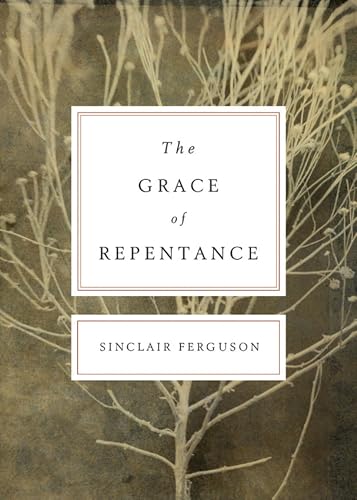


Plea for Divine Cleansing
Psalm 51 shows David’s heartfelt cry for God’s mercy. He pleads, “Wash me thoroughly from my iniquity, and cleanse me from my sin” (Psalm 51:2, NKJV). In this honest prayer, David recognizes his deep sin and longs for God’s forgiveness to heal his soul.
Pastors helping those who are hurting can learn from this: true repentance is more than just saying sorry—it involves asking for God’s cleansing, just as David requested God to “purge me with hyssop” (Psalm 51:7, NKJV) to bring about spiritual renewal.
David’s prayer is a model of vulnerability. He asks God to “create in me a clean heart” (Psalm 51:10, NKJV) and to renew his spirit. Seeking God’s forgiveness is not just a ritual; it is a deep and sincere surrender.
David promises joy even in the midst of his guilt (Psalm 51:8, 12, NKJV). Today, believers can find hope in this honesty, knowing that God listens to prayers that seek His cleansing grace.
Nineveh’s City-Wide Repentance

In the story of Nineveh’s city-wide repentance, Jonah brings a serious warning about God’s coming judgment. His message touches everyone in the city—from the king to the common people.
They all respond by fasting and wearing sackcloth, showing their true sorrow for their sins. This teaches us important lessons about God’s mercy. When a community humbles itself and truly seeks God, He listens and can change His mind about judgment.
As it says in Jonah 3:10 (NKJV), “Then God saw their works, that they turned from their evil way; and God relented from the disaster that He had said He would bring upon them, and He did not do it.”
This reminds us that genuine repentance can move God’s heart to show compassion.
Jonah’s Urgent Warning
God sent Jonah to Nineveh with a serious message: “Yet forty days, and Nineveh shall be overthrown!” (Jonah 3:4, NKJV).
Although Jonah didn’t want to go, his message reached the hearts of the people. They immediately turned from their evil ways, and God showed them mercy.
Pastors, here are some lessons we can learn from this story:
- Jonah’s change: He went from running away to boldly sharing God’s message. This teaches us that when we obey God, He can work through us.
- Nineveh’s response: Even those who seem far from God can listen when we speak the truth with courage.
- Urgency in our message: We must warn others clearly about sin, trusting that God’s mercy can change lives.
This story encourages all of us to repent quickly and seek God’s mercy. He is always ready to forgive those with humble and repentant hearts.
Collective Fasting Sackcloth
When the Ninevites heard Jonah’s warning, the whole city—from the king to the lowest citizen—humbled themselves by fasting and wearing sackcloth (Jonah 3:5-8, NKJV).
In ancient Assyria, a powerful pagan nation, their response showed true repentance. The king’s command called for everyone to pray together and confess their sins, turning their hearts to God during a time of communal sorrow.
This united act of worship was a way for the nation to seek forgiveness, as everyone wore sackcloth and fasted to show their desire for spiritual renewal.
Pastors, take note of this powerful example: encourage your church to embrace humility together, just like the people of Nineveh. A collective fast can help us turn away from sin and invite God’s favor through our shared brokenness and faith.
God’s Merciful Response
Nineveh’s humble attitude moved God to change His mind about the destruction He had planned (Jonah 3:10, NKJV). This shows God’s forgiveness in action and His loving grace toward a city that repented.
Pastors, remember how powerful mercy can be—it turns judgment into hope and offers a promise of redemption for your congregations.
- Unconditional love shines through as God spared Nineveh without any preconditions, showing us the grace we can offer to those who are hurting.
- Spiritual renewal follows when we obey God humbly, sparking a revival in our churches—preach this message for a fresh start in your congregations.
- Graceful restoration wraps up the story, demonstrating God’s willingness to heal both nations and individuals.
Embrace this plan: lead your people to repentance, believing that His merciful response will bring about lasting change.
Prodigal Son’s Humble Return

The Prodigal Son’s Humble Return
The prodigal son makes his way home, his once proud steps now heavy with shame and hunger. He practices a humble confession: “Father, I have sinned against heaven and in your sight” (Luke 15:18, NKJV). In Luke 15:17-19, he finds acceptance in the pigsty, realizing his mistakes and choosing the journey back to his father—not as a son, but as a servant.
Pastors, guide your congregation: true repentance is about turning away from self-reliance and surrendering to God. It means facing the consequences of our sins honestly, without making excuses.
| Prodigal’s Descent | Repentant Turn |
|---|---|
| Squandered wealth | “I have sinned” |
| Longing for pig food | Seeks servant role |
| Alone in famine | Starts the journey home |
| Prideful departure | Humble, honest plea |
Encourage your flock: preach this as God’s way—shame can lead to grace. Lives can change when those who wander return, ready to embrace mercy. (146 words)
Peter’s Tears After Denying Jesus

Peter’s tears flow bitterly after he denies Jesus three times, just as the Lord said would happen when the rooster crowed (Luke 22:61-62, NKJV). In this moment of deep regret, we see Peter’s struggle, showing his true humanity despite his earlier promises of loyalty.
Pastors, look to Peter’s transformation as a guide for your ministry:
- Humility shown: Peter weeps bitterly, demonstrating how to be broken before God. This teaches us that vulnerability is better than pride.
- Forgiveness sought and grace received: Jesus restores Peter three times (John 21), illustrating how emotional healing comes through unearned mercy—this is important for helping those who have stumbled.
- Faith restored and discipleship renewed: Peter moves from tears to a renewed mission, which helps the church grow. This encourages pastors to lead their communities from failure to a greater purpose.
This powerful story helps you promote repentance, turning personal struggles into opportunities for service. Grace can transform those who deny into strong leaders.
Paul’s Turn From Persecutor to Apostle

Saul was a fierce enemy of the church, but everything changed when he met the risen Christ on the road to Damascus. This moment transformed him from Saul, the persecutor, into Paul, the apostle to the Gentiles (Acts 9:1-19, NKJV). A bright light blinded him, and he heard the voice of Jesus. This encounter led to his baptism and calling to spread the Gospel. Pastors, let this story remind us that true repentance can change a life from destruction to devotion. It offers hope for those who have lost their way in your congregations.
| Phase | Before Damascus | After Damascus |
|---|---|---|
| Role | Persecutor | Apostle |
| Attitude | Hatred | Love |
| Action | Imprisonment | Evangelism |
| Impact | Fear | Salvation |
| Legacy | Opposition | Faithful Ministry |
Paul’s faithful ministry included planting churches and enduring hardships. His life shows the fruit of true repentance. Preach this message: no sin is too great for Christ’s grace. Encourage your congregants to surrender to Him and embrace their own transformation.
Frequently Asked Questions
What Does Metanoia Mean Biblically?
Biblically, metanoia means a profound change of mind leading to biblical transformation and spiritual renewal. Pastors guide flocks through this heartfelt turning from sin to God, fostering practical lives of obedience, hope, and restored communion with the Divine.
How Is Repentance Different From Remorse?
Repentance differs from remorse as genuine transformation of heart and action, not mere emotional sorrow. Pastors guide flocks to embrace metanoia—turning from sin toward God—fostering lasting change through heartfelt confession and obedient living.
Can True Repentance Happen Instantly?
Yes, true repentance can happen instantly through a profound spiritual awakening and instant transformation of the heart. Pastors witness this in lives radically turned from sin to God, as seen in biblical conversions—practical, heartfelt change that endures by His grace.
Does Repentance Require Public Confession?
No, repentance does not require public confession. Scripture emphasizes heartfelt turning from sin to God, as in David’s private psalms or the prodigal son’s inner resolve. Pastors, guide flocks toward genuine public acknowledgment for communal support when it fosters healing and accountability.
What Blocks Genuine Biblical Repentance?
Prideful hearts erect barriers to repentance, blocking genuine biblical turning from sin. Pastors guide flocks by humbly modeling surrender, urging self-examination to shatter pride’s grip and foster heartfelt contrition before God.
Final Thoughts
These stories of repentance in the Bible—from Adam feeling ashamed to Paul’s amazing change—remind us that “the sacrifices of God are a broken spirit, a broken and contrite heart” (Psalm 51:17, NKJV). When you counsel those who are weary, share this important truth: true repentance isn’t just feeling sorry; it’s a heartfelt surrender that shows God’s great grace. Let these accounts inspire your congregation, leading them from despair to a fresh start, with their purpose renewed in the loving arms of the Father.
Share On Pinterest


Test Your Knowledge!
Answer all 10 questions, then submit to see your score.
Related Posts

Why Most People Study the Bible Wrong — And How a Structured Study Changes Everything
Last updated: May 2026 Most Christians read the Bible but never truly study it. Discover the common mistakes that keep believers spiritually stuck — and how a structured Bible study changes everything.
 May 26, 2026
Why Every Christian Needs to Do a Dedicated Study on Love At Least Once
Last updated: May 2026 Most Christians assume they understand love — but have never seriously studied what the Bible actually teaches about it. Here's why a dedicated study changes everything.
May 19, 2026
Faith vs. Works: What Does the Bible Teach?
Last updated: May 2026 Faith vs. works — does the Bible contradict itself? Discover what Paul, James, and the whole of Scripture actually teach about how faith and works relate in the Christian life.
May 18, 2026
How a Structured Faith Study Is Different From Reading the Bible on Your Own
Last updated: May 2026 Learn how structured Bible study differs from personal reading, what each one offers, and how to know which approach your faith needs right now.
May 15, 2026


 By
By


