

The Bible unveils profound human trepidations through figures like Moses, who faltered at the prospect of leadership due to his stammering tongue. Gideon implored for miraculous attestations before confronting the Midianites. Jonah absconded from God’s summons, dreading the repercussions of his mission. These narratives elucidate fear of failure as a ubiquitous impediment to faith. Yet each man flourished through divine grace—what sagacious lessons emerge for surmounting it today?
Takeaways
- Moses feared inadequate speaking skills when called to lead Israel (Exodus 4:10-12).
- Gideon doubted his ability against the Midianites, seeking miracle signs (Judges 6).
- Jonah fled from preaching to Nineveh due to fear of failure (Jonah 1).
- Jeremiah hesitated as a youth, feeling unfit for prophecy (Jeremiah 1:6-8).
- Peter promised loyalty but denied Jesus three times from fear (Matthew 26:69-75).

Moses’ Fear of Inadequate Speaking
Moses was scared when God called him to lead the Israelites out of Egypt. He worried about his speaking skills, feeling inadequate for the task. This fear showed his insecurities and made him doubt his ability to communicate effectively, which is crucial for a leader.
But God quickly reassured him: “Who made man’s mouth?” (Exodus 4:11, NKJV). God promised to help Moses by sending Aaron to speak for him, showing that He equips those He calls. This support helped Moses overcome his fears and turn his weaknesses into opportunities for growth.
For us today, Moses’ story teaches an important lesson. Trusting God can help overcome our communication fears and leadership challenges.
When you feel nervous about speaking, remember that God is there to support you—whether through His words, a partner, or the courage He gives. By embracing this, we, like Moses, can grow stronger in our faith and abilities.
Moses stepped forward, and so can we.
Gideon’s Pleas for Miracle Signs

Gideon faced a tough battle with doubt when God chose him to defeat the Midianites. While hiding in a winepress, he questioned whether he could lead, feeling overwhelmed by the odds against him. But God was patient and provided reassurance through an angel who consumed his offering with fire.
Still seeking confirmation, Gideon asked for miracle signs: first, he wanted dew on the fleece alone, and then he asked for the fleece to be dry while the ground was wet. Each time, God graciously granted his requests, helping Gideon turn his doubts into stronger faith.
These moments show a common fear of failure—wondering if we are truly capable of what God calls us to do. Gideon’s story teaches us to bring our insecurities to God honestly. His reassurance often comes through personal confirmations that build our courage step by step.
Like Gideon, we can move from being unsure to boldly obeying, trusting in God’s faithfulness rather than our weaknesses. This pattern encourages us to seek signs through prayer, allowing our doubts to transform into the strength that God provides.
As it says in Judges 6:36-40 (NKJV), “So Gideon said to God, ‘If You will save Israel by my hand as You have said—look, I shall put a fleece of wool on the threshing floor; if there is dew on the fleece only, and it is dry on all the ground, then I shall know that You will save Israel by my hand…’”
Just as God answered Gideon, He is ready to answer us when we seek His guidance.
Jonah’s Fear of Failed Obedience

Jonah ran away from God’s command to preach to Nineveh because he was afraid. He worried that if he obeyed, it might not work out—or it might succeed in ways he didn’t want. Jonah had strong feelings against the Assyrians and feared their repentance would change how he saw the world. His disobedience led him to a ship headed for Tarshish, but a powerful storm revealed his inner struggle.
Yet, God showed His mercy. Jonah was swallowed by a great fish, where he finally repented. After three days, he emerged to carry out his mission. When he preached to Nineveh, they repented and turned from their evil ways, avoiding God’s judgment. This success made Jonah angry.
| Fear Factor | God’s Response |
|---|---|
| Jonah’s disobedience | Storm and fish |
| Reluctant obedience | Nineveh’s repentance |
| Expected failure | Mercy extended |
| Personal resentment | Compassionate pursuit |
This story encourages us to face our fears about what might happen. Trusting in God’s mercy can lead to unexpected victories. Let’s embrace obedience, knowing that God’s grace can turn our dread into purpose. (148 words)
Jeremiah’s Fear of Youthful Failure

In Jeremiah’s calling, he hesitates, worried that his youth makes him unfit for God’s mission. This fear of not being good enough is something many people experience when facing new challenges.
However, God’s comforting response reminds us that age does not stop His plans. He encourages us to trust that He will empower us beyond our own limits.
As it says in Jeremiah 1:7 (NKJV), “But the Lord said to me: ‘Do not say, “I am a youth,” for you shall go to all to whom I send you, and whatever I command you, you shall speak.’”
God can use anyone, no matter their age, to fulfill His purpose.
Jeremiah’s Call Reluctance
Jeremiah was afraid when God called him. He said, “Ah, Sovereign Lord… I cannot speak, for I am a youth” (Jeremiah 1:6, NKJV). This fear shows his worry about not being good enough for the job God wanted him to do. But God responded with encouragement, saying, “Do not say, ‘I am a youth’… for you shall go to all to whom I send you, and whatever I command you, you shall speak. I am with you” (Jeremiah 1:7-8, NKJV).
Jeremiah’s reluctance is similar to the fears we all face when called to do something new. Let’s break it down:
| Fear Trigger | Jeremiah’s Response | God’s Reassurance |
|---|---|---|
| Youth | “I am a youth” | “Do not say…” |
| Speech | “I cannot speak” | “I will put My words in your mouth” |
| Mission | Shaking with fear | “I am with you” |
| Outcome | Hesitant obedience | Equipped for success |
When you feel hesitant, remember that God empowers us to turn our fears into bold actions. Embrace those moments, for they can lead to great purpose!
Book Recommendations
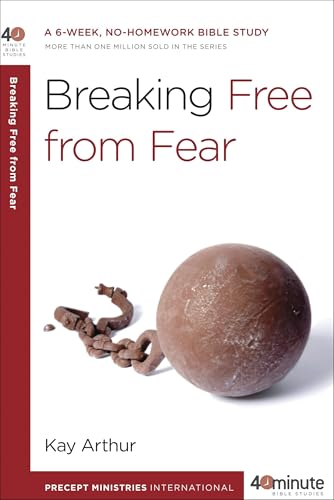


Youth Inadequacy Doubts
Why did Jeremiah see his youth as a hurdle in answering God’s call? In Jeremiah 1:6 (NKJV), he said, “Ah, Lord GOD! Behold, I cannot speak, for I am a youth.” This shows his deep doubts about being young, which made him afraid of failing.
Jeremiah’s struggles with self-worth reflect the identity challenges many young people face today. Peer pressure and questions about being ready can make these feelings even stronger.
But God reassured him, saying, “Do not say, ‘I am a youth, because everywhere I send you, you shall go, and whatever I command you, you shall speak. Do not be afraid of their faces, for I am with you to deliver you” (Jeremiah 1:7-8, NKJV). This reminds us that confidence in youth is important and can grow through faith and overcoming insecurities.
There are practical lessons for us today: mentoring can guide young people in discovering their purpose, showing that God’s timing is greater than our limitations.
Young readers can embrace their calling, knowing that God empowers them to turn youthful doubts into courageous action.
Peter’s Bold Promises and Denial

Peter boldly declared his unwavering loyalty to Jesus, promising to follow Him even unto death during the Last Supper (Matthew 26:33-35, NKJV). Despite Jesus warning him about his coming denial, Peter’s confident words stood out, even more than the other disciples’ fears.
However, in the courtyard, fear took hold of Peter. As the rooster crowed, he denied knowing Jesus three times (Matthew 26:69-75, NKJV), just as Jesus had predicted. This denial shattered Peter’s self-image, leaving him in bitter tears and deep regret.
Peter’s story shows us how bold words can sometimes hide our real fears. His overconfidence fell apart under pressure, showing his human weakness. This teaches us to be self-aware: we should honestly assess our loyalties instead of acting impulsively.
The pain of failure, like Peter’s, can lead to humility and growth. When we stumble, God’s grace restores us—Peter later led with courage, changed by forgiveness. We should embrace our vulnerabilities; true strength comes from honest reflection, turning denial into devoted service.
Thomas Doubts Without Proof

Thomas, one of Jesus’ closest disciples, struggled to believe the reports of Jesus’ resurrection until he saw proof for himself (John 20:24-25, NKJV). His doubts reflect our own fears about trusting God—often holding onto skepticism until we receive clear evidence.
Because he missed the first appearances of Jesus, Thomas boldly said he would not believe unless he could touch the wounds. This shows how past disappointments can make it hard to hope again.
This story invites us to think: like Thomas, we sometimes want proof before we choose to believe, worried about being let down again. Yet, Thomas’s honesty teaches us an important lesson—having doubts doesn’t mean we are disqualified; it can actually prepare us for a deeper connection with God.
When Jesus appeared to Thomas, He offered exactly what Thomas needed. This moment of grace changed Thomas’s doubt into strong faith (John 20:26-29).
Today, remember that your struggles for proof can lead to honest conversations with God. These moments can help build a faith that can stand strong, even in the face of fear.
Thomas’s journey reminds us that seeking assurance is not a sign of weakness; it’s the first step toward building unshakeable trust in God.
5 Lessons to Conquer Fear Today

Contemporary believers can overcome the fear of failure by trusting in God’s strength, just as shown in the Bible. Many stories illustrate how human weakness can be transformed by God’s power. This encourages us to rely on a trustworthy source that goes beyond our own limits, helping us to be strong even when things are uncertain.
When we act despite our fears, like the faithful figures in the Bible who moved forward even when they were scared, we can turn our worries into meaningful action today.
As it says in Philippians 4:13 (NKJV), “I can do all things through Christ who strengthens me.” This reminds us that with God’s help, we can face anything!
Embrace God’s Strength
Embracing God’s strength can change our fear into bold faith. The Bible offers us practical lessons for the challenges we face today. When we doubt ourselves, relying on the Lord helps us shift our focus from our weaknesses to His power.
Take Gideon, for example. He was scared of the Midianites, but God reassured him in Judges 6:16 (NKJV): “Surely I will be with you.” This promise encourages us to depend on God’s strength instead of our own.
To truly embrace this strength, we can start with daily prayer. We can remind ourselves of truths like Isaiah 41:10 (NKJV): “Fear not, for I am with you; be not dismayed, for I am your God.”
Writing down our fears and matching them with Scripture helps us build resilience. Meditating on Philippians 4:13 (NKJV) also boosts our confidence: “I can do all things through Christ who strengthens me.”
These habits can turn our fear into purposeful action, showing that God’s power is made perfect in our weakness (2 Corinthians 12:9, NKJV).
Today, let’s invite His strength to help us overcome our failures.
Act Despite Fear
Acting despite fear shows that we can overcome failure, just like the heroes in the Bible did. These faithful figures took brave steps, overcoming great challenges, and their stories teach us lessons we can use today.
Gideon, who was afraid of the Midianites, listened to God and led just 300 men into battle, defeating a huge enemy army (Judges 7:7). Esther faced the risk of death when she approached the king to save her people, boldly saying, “If I perish, I perish” (Esther 4:16). Their actions remind us that fear doesn’t have to hold us back; obedience to God can bring great victories.
| Hero | Fear Faced | Courageous Action | Outcome |
|---|---|---|---|
| Gideon | Vast enemy army | Led a small band in attack | Decisive victory |
| Esther | Royal execution | Petitioned the king boldly | People rescued |
| David | Giant Goliath | Charged with a sling | Philistine defeated |
| Peter | Stormy sea | Stepped out of the boat | Walked briefly on water |
Let us follow their example: act despite fear and overcome the obstacles we face.
Frequently Asked Questions
How Did Moses Overcome Speaking Fears?
Moses overcame his speaking fears through divine reassurance that addressed his insecurities. God affirmed Moses’ worth, promised to provide words and signs, and appointed Aaron as spokesperson, empowering him to lead confidently despite initial doubts.
Why Did Gideon Demand so Many Signs?
In a modern-day plot twist, Gideon demanded signs due to his fear of failure. His faltering Gideon’s confidence sought divine assurance through fleeces and dew, gently revealing God’s patient faithfulness—warmly reminding us to trust amid doubts for practical steps forward.
What Made Jonah Flee From God’s Command?
Jonah fled God’s command due to Jonah’s disobedience, rooted in fear of Nineveh’s potential repentance and the divine consequences of mercy over judgment. This highlights how evading calling invites storms, yet God’s pursuit offers redemptive insight for our own reluctant steps.
How Did Jeremiah Handle Youth Doubts?
Jeremiah confronted his youth insecurities head-on when God issued his prophetic calling, protesting, “I am only a child.” Yet, God reassured him, equipping him fully for the task, transforming doubt into bold obedience. This inspires us to trust divine empowerment over personal fears.
Why Did Peter Deny Jesus Despite Promises?
Peter denied Jesus despite Peter’s promises due to overwhelming Disciples’ fears amid his human weakness and faith struggles. Significantly, he denied Him three times in one night, a stark statistic revealing fear’s grip. Embrace grace; growth follows honest reflection.
Final Thoughts
Just like a tiny mustard seed that grows into something great, Peter’s fear turned into strong faith after he denied Jesus. This change led him to become a bold leader at Pentecost. The heroes in the Bible show us that fear of failure isn’t the end; it can actually be used by God to make us stronger. Today, let’s put this into practice: name your fears, look for God’s signs, and take a step forward. One small, faithful action can lead to victory, turning our worries into trust in the Lord. Remember, “For we walk by faith, not by sight” (2 Corinthians 5:7, NKJV). (76 words)
Share On Pinterest


Test Your Knowledge!
Answer all 10 questions, then submit to see your score.
Related Posts

Faith vs. Works: What Does the Bible Teach?
Last updated: May 2026 Faith vs. works — does the Bible contradict itself? Discover what Paul, James, and the whole of Scripture actually teach about how faith and works relate in the Christian life.
 May 18, 2026
The Hebrews 11 'Hall of Faith' — A Deep Dive
Last updated: May 2026 Explore Hebrews 11's hall of faith and discover how biblical heroes like Abel, Noah, and Abraham trusted God against impossible odds. Read our deep dive analysis.
May 15, 2026
Ella Langley Goes Viral with Passionate Christian Faith Comments
Last updated: June 2026 In an era where celebrity endorsements of faith can be rare, country singer Ella Langley has captured significant attention, going viral for…
Jun 11, 2026
The 4 Greek Words for Love in the Bible (And Why They Matter)
Last updated: May 2026 By Duke Taber Most of us have grown up hearing the word "love" used for everything from pizza to marriage to God.…
May 27, 2026


 By
By


