
When I think about transformative journeys in the Bible, Paul’s story always stands out. From a fierce persecutor of Christians to one of the most influential apostles, his life is a testament to God’s power and grace.
Paul’s letters have shaped much of our understanding of Christian theology and practice. His unwavering faith and boldness in spreading the Gospel inspire me daily. Let’s jump into the incredible journey of Paul and discover how his life continues to impact believers today.
Early Life and Background of Paul
Paul’s journey began in Tarsus, a major city in eastern Cilicia. His early life was deeply rooted in Jewish traditions and Roman privileges.
From Saul to Paul: The Name Change
Paul had two names. His Hebrew name was Saul, while his Roman name was Paul. This duality reflected his bicultural identity.
When he persecuted Christians, people knew him as Saul. After encountering Jesus on the road to Damascus, he became known as Paul (Acts 13:9 NKJV). This marked a significant transformation in his mission and purpose.
Paul’s Education and Jewish Heritage
Paul came from a devout Jewish family of the tribe of Benjamin. His parents adhered to Pharisaic traditions for generations.
He learned Hebrew from an early age due to his Orthodox upbringing. Sent to Jerusalem during his teenage years, Paul studied under Gamaliel, a famous teacher of Jewish law (Acts 22:3 NKJV).
His education made him well-versed in Scripture and tradition:
- Pharisaic Traditions: Strict observance.
- Hebrew Language: Fluent speaker.
- Jewish Law: Expert knowledge.
Being born a Roman citizen added another layer of privilege (Acts 22:28 NKJV). This status provided legal protections and freedoms uncommon for many Jews at the time.
Conversion on the Road to Damascus

Paul, originally named Saul, was a zealous Pharisee. He persecuted Christians with fervor. On his way to Damascus, he aimed to arrest Jesus’ followers. Suddenly, a bright light from heaven surrounded him. He fell to the ground and heard a voice say, “Saul, Saul, why are you persecuting Me?” (Acts 9:4 NKJV). The voice revealed itself as Jesus.
The Impact of the Vision
The vision profoundly impacted Paul. He lost his sight for three days and did not eat or drink during this time (Acts 9:9 NKJV). Ananias, a disciple of Jesus, visited Paul by divine direction. Ananias restored Paul’s sight and baptized him (Acts 9:17-18 NKJV).
Key Impacts:
- Physical blindness
- Spiritual awakening
- Baptism by Ananias
Changes in Beliefs and Practices
Paul’s beliefs transformed dramatically after the vision. He shifted from persecuting Christians to preaching Christ’s gospel. His practices changed too.
New Beliefs:
- Jesus is the Messiah.
- Salvation through faith in Christ.
- Inclusion of Gentiles in God’s plan.
- Evangelizing non-Jews.
- Establishing churches.
- Writing epistles that form part of the New Testament.
Paul’s transformation exemplifies profound spiritual renewal and mission dedication.
Paul’s Missionary Journeys

Paul embarked on several missionary journeys to spread the gospel. These voyages were significant in the early Christian movement.
First Missionary Journey
Paul’s first journey is detailed in Acts 13:2-15:35. He set out from Antioch with Barnabas and John Mark. They traveled to various regions, including Cyprus, Pisidia, and Galatia. During this trip, they preached to both Jews and Gentiles.
Even though facing opposition and persecution, they continued their mission. The Holy Spirit guided them throughout their journey. After completing their work, Paul and his companions returned to Antioch.
Key Points:
- Departure from Antioch
- Visitations: Cyprus, Pisidia, Galatia
- Opposition faced
- Guidance by the Holy Spirit
- Return to Antioch
Second Missionary Journey
The second journey began in Acts 15:36-18:22. Paul started again from Antioch but this time with Silas. They passed through Syria and Cilicia, encouraging believers along the way.
In Derbe and Lystra, Paul met Timothy and circumcised him for cultural reasons (“Acts 16:3,” NKJV). Guided by the Holy Spirit, they traveled through Asia Minor until reaching Troas where Paul had a vision to go to Macedonia.
Significant Events:
- Traveling partners: Silas
- Regions visited: Syria, Cilicia
- Meeting Timothy in Derbe/Lystra (“Acts 16:1,” NKJV)
- Vision in Troas about Macedonia (“Acts 16:9,” NKJV)
Third Missionary Journey
The third journey isn’t covered yet; but it spans from Acts 18:23 onwards. This trip included revisits and new locations such as Ephesus where he spent considerable time teaching.
During this period of ministry advancement:
- Ephesus: Significant impact seen.
- Strengthening disciples: Revisited previous churches.
- Miracles: Extraordinary works performed (“Acts 19,” NKJV).
Paul’s dedication showed how crucial these journeys were for spreading Christianity throughout different regions while maintaining strong spiritual leadership under divine guidance.
Teachings and Theological Contributions

Paul, also known as Saul of Tarsus, made significant theological contributions to early Christianity. His teachings focused on key themes that shaped Christian doctrine.
Understanding of Jesus Christ
Paul’s understanding of Jesus Christ centered on His divinity and resurrection. He emphasized that Jesus is the Son of God who died for humanity’s sins and rose from the dead. Paul wrote in Romans 1:4 (NKJV), “and declared to be the Son of God with power according to the Spirit of holiness, by the resurrection from the dead.”
He taught that belief in Jesus’ resurrection brings salvation. In 1 Corinthians 15:17 (NKJV), he stated, “And if Christ is not risen, your faith is futile; you are still in your sins!” Paul’s letters often highlighted Jesus’ role as a mediator between God and people.
Views on the Gentile Mission
Paul believed Gentiles could join God’s people without converting to Judaism. He saw this as fulfilling Old Testament prophecies like Isaiah 60:3-5 (NKJV), which says, “The Gentiles shall come to your light, And kings to the brightness of your rising.”
In Galatians 3:28 (NKJV), he emphasized equality among believers: “There is neither Jew nor Greek…for you are all one in Christ Jesus.” Paul traveled extensively to spread this message, establishing churches across regions like Galatia and Corinth.
Stance on Jewish Law
Paul argued that justification comes through faith in Jesus Christ alone. Adhering strictly to Jewish law wasn’t necessary for salvation. In Galatians 2:16 (NKJV), he wrote, “knowing that a man is not justified by the works of the law but by faith in Jesus Christ.”
His teaching freed believers from strict observance of Jewish customs like circumcision and dietary laws. This approach opened Christianity up more broadly beyond its Jewish roots.
| Key Aspect | Description |
|---|---|
| Justification by Faith | Belief that faith in Christ brings salvation |
| Inclusion of Gentiles | Acceptance without conversion to Judaism |
| Stance on Jewish Law | Emphasis on grace over legalistic adherence |
These teachings laid a foundation for Christian beliefs today.
Challenges and Persecutions
Physical Sufferings
Paul endured severe physical sufferings. He was beaten with rods three times and received 39 lashes from the Jews five times (2 Corinthians 11:24-25, NKJV).
He was stoned once and shipwrecked three times. Paul even spent a night and a day in the open sea (2 Corinthians 11:25, NKJV).
His life was constantly in danger from various sources:
- Rivers
- Bandits
- Fellow Jews
- Gentiles
- False believers (2 Corinthians 11:26-27, NKJV)
Spiritual Struggles
Paul faced intense spiritual struggles. He had a “thorn in the flesh,” which he described as a messenger of Satan sent to buffet him. Although he prayed for its removal, God told him that His power is made perfect in weakness (2 Corinthians 12:7-9, NKJV).
Conflicts with Jewish Leaders
Paul encountered numerous conflicts with Jewish leaders. These leaders often questioned his teachings and authority.
They were angered by his stance on Jesus Christ’s divinity and resurrection. Paul emphasized salvation through faith rather than strict adherence to Jewish customs.
These conflicts included public debates, accusations of blasphemy, and attempts to discredit him.
Imprisonments and Trials
Paul experienced multiple imprisonments and trials throughout his ministry. He was imprisoned several times for preaching the Gospel.
In Philippi, he was beaten with rods before being thrown into prison (Acts 16:22-23, NKJV). In Jerusalem, he faced an angry mob that led to his arrest by Roman soldiers (Acts 21:30-33, NKJV).
His trials included appearances before governors Felix and Festus as well as King Agrippa (Acts 24–26). Even though these hardships Paul’s unwavering faith remained evident throughout his letters in the New Testament.
Paul’s Writings and Letters
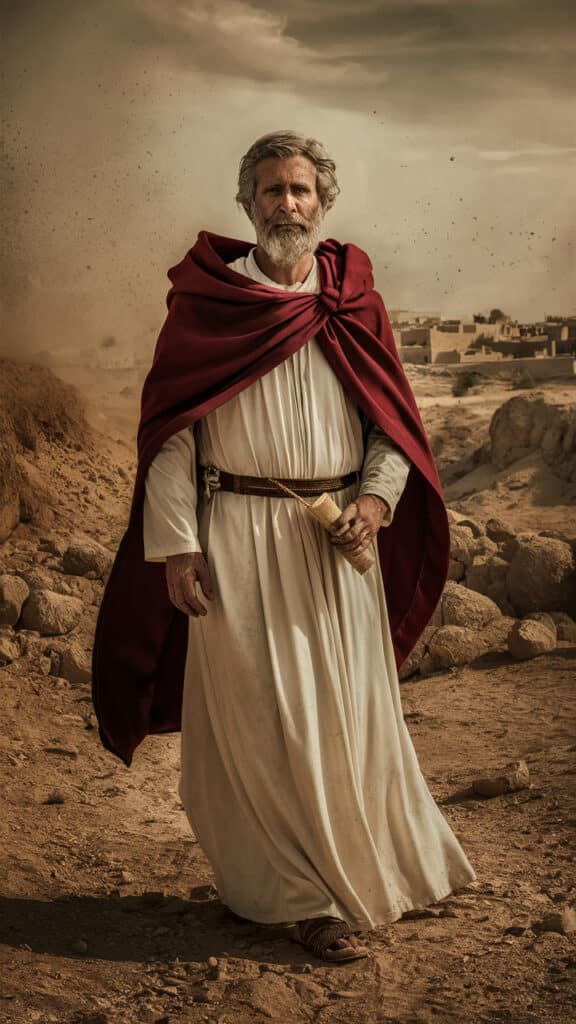
Paul’s letters form a big part of the New Testament. They include 13 out of the 21 epistles, written to early Christian communities. These letters focus on faith and practice.
Major Themes in Paul’s Epistles
- Suffering: Paul teaches that suffering is part of the Christian life but brings joy and strength in Christ. He writes, “For I consider that the sufferings of this present time are not worthy to be compared with the glory which shall be revealed in us” (Romans 8:18, NKJV).
- Faith and Works: Paul stresses faith over works for salvation. In Ephesians 2:8-9, he states, “For by grace you have been saved through faith…not of works.”
- Unity in Christ: Paul encourages unity among believers regardless of background or status. Galatians 3:28 says, “There is neither Jew nor Greek…for you are all one in Christ Jesus.”
- Resurrection: The resurrection of Jesus is central to Paul’s teachings. He assures believers in 1 Corinthians 15:17 that without it, their faith would be futile.
Contribution to the New Testament
Paul’s writings shape much of Christian theology today:
- Romans: Explains righteousness by faith.
- 1 Corinthians & 2 Corinthians: Address church issues like division.
- Galatians: Defends justification by faith alone.
- Ephesians: Focuses on unity and spiritual blessings.
- Philippians: Stresses joy even though circumstances.
- Colossians: Emphasizes Christ’s supremacy.
His letters also include personal notes like those to Timothy and Titus:
| Letter | Audience |
|---|---|
| Romans | Christians in Rome |
| Galatians | Churches in Galatia |
| Ephesians | Church at Ephesus |
Philemon stands out as a personal letter about forgiveness.
Paul’s influence extends through his detailed guidelines for living a godly life found throughout his epistles.
His Last Days and Legacy
Paul’s final days were marked by imprisonment and profound influence on the early church.
Arrest in Jerusalem and House Arrest in Rome
Paul was arrested in Jerusalem. Jews from Asia accused him of bringing Greeks into the temple, defiling it, and preaching against their Law (Acts 21:27-30 NKJV). This led to his arrest by Roman authorities.
Under house arrest in Rome, Paul awaited trial before governors Felix and Festus (Acts 24–26 NKJV). He used this time to write letters, teach visitors, and spread the gospel. Even though his confinement, Paul’s mission continued unabated.
| Location | Event |
|---|---|
| Jerusalem | Arrested for defiling temple |
| Rome | House arrest awaiting trial |
Paul’s Influence on Christianity
Paul focused on planting churches. He reported back to sending churches to ensure growth (Acts 13:1-3 NKJV). His leadership style emphasized perseverance and faithfulness.
Through his missionary work, Paul established numerous churches. His letters addressed key themes like unity in Christ and the resurrection. For example:
- Romans: Discusses righteousness by faith.
- 1 Corinthians: Addresses church issues.
- Galatians: Emphasizes freedom in Christ.
His personal letters to Timothy, Titus, and Philemon offer guidelines for godly living. They showcase his enduring influence on Christian theology today.
What Similar Teachings about Boldness and Zeal Can We Learn from the Apostle Paul?
The Apostle Paul exemplifies the importance of boldness and zeal in god’s service through his tireless missionary journeys and unwavering faith. His letters inspire believers to confront challenges with courage and passion, reminding us that true devotion requires a fearless approach to sharing the Gospel and living out our faith daily.
Conclusion
Paul’s life and legacy are a testament to his boundless faith and resilience. Even in the face of immense adversity, he remained steadfast in spreading the gospel and nurturing early Christian communities. His letters not only offer theological insights but also practical guidance for living a godly life.
Paul’s influence extends far beyond his time, continuing to shape Christian thought and practice today. His dedication to unity in Christ and the resurrection remains central to Christian teachings. I find Paul’s journey deeply inspiring, illustrating how one person’s unwavering commitment can leave an indelible mark on history.
Share On Pinterest



Pastor Duke has been preaching and teaching the Bible since 1988. He has shared his knowledge online since 2011.

 By
By