
When I jump into the stories of the Bible, certain characters stand out not just for their actions but for what they reveal about God’s power and purpose. Adoni-Zedek is one of those figures—a king whose story carries profound lessons about opposition to God’s plans.
His name means “Lord of Righteousness,” yet his life paints a very different picture. As we explore his role in biblical history, we’ll uncover how even defiance against God eventually serves His greater plan.
Who Is Adoni-Zedek In The Bible?
Adoni-Zedek was the king of Jerusalem during Joshua’s conquest of Canaan. His name means “Lord of Righteousness,” yet his actions depicted rebellion against God and His people.
He appears in Joshua 10:1-3. Upon hearing about Israel’s victories at Jericho and Ai, and the treaty between Gibeon and Israel, he grew fearful. Gibeon was a significant city, known for its warriors. To counter this alliance, Adoni-Zedek sought help from four other Amorite kings.
These kings formed a coalition to attack Gibeon (Joshua 10:4-5). Their goal was to punish the city for aligning with Israel. But, when Gibeon called on Joshua for help, God intervened powerfully.
- Position: King of Jerusalem during the late Bronze Age.
- Actions: Led an alliance against Israel and Gibeon.
- Defeat: Suffered defeat when God delivered him into Israel’s hands (Joshua 10:8).
God assured Joshua of victory. “Do not fear them, for I have delivered them into your hand; not a man of them shall stand before you” (Joshua 10:8 NKJV). This promise set the stage for one of Israel’s most decisive battles.
During the battle, God performed miracles. He sent hailstones that killed more enemies than Israel’s swords (Joshua 10:11). When daylight waned, Joshua prayed boldly for the sun to stand still so they could finish their pursuit. “So the sun stood still… till the people had revenge upon their enemies” (Joshua 10:13 NKJV).
Adoni-Zedek and his allies fled but were captured in a cave at Makkedah (Joshua 10:16). They were executed after being presented before Israel’s leaders as a symbol of God’s judgment over defiance.
His story emphasizes how human opposition can’t thwart God’s plans. Even though forming alliances or wielding power, resistance against God’s purposes eventually leads to failure.
Historical Context Of Adoni-Zedek
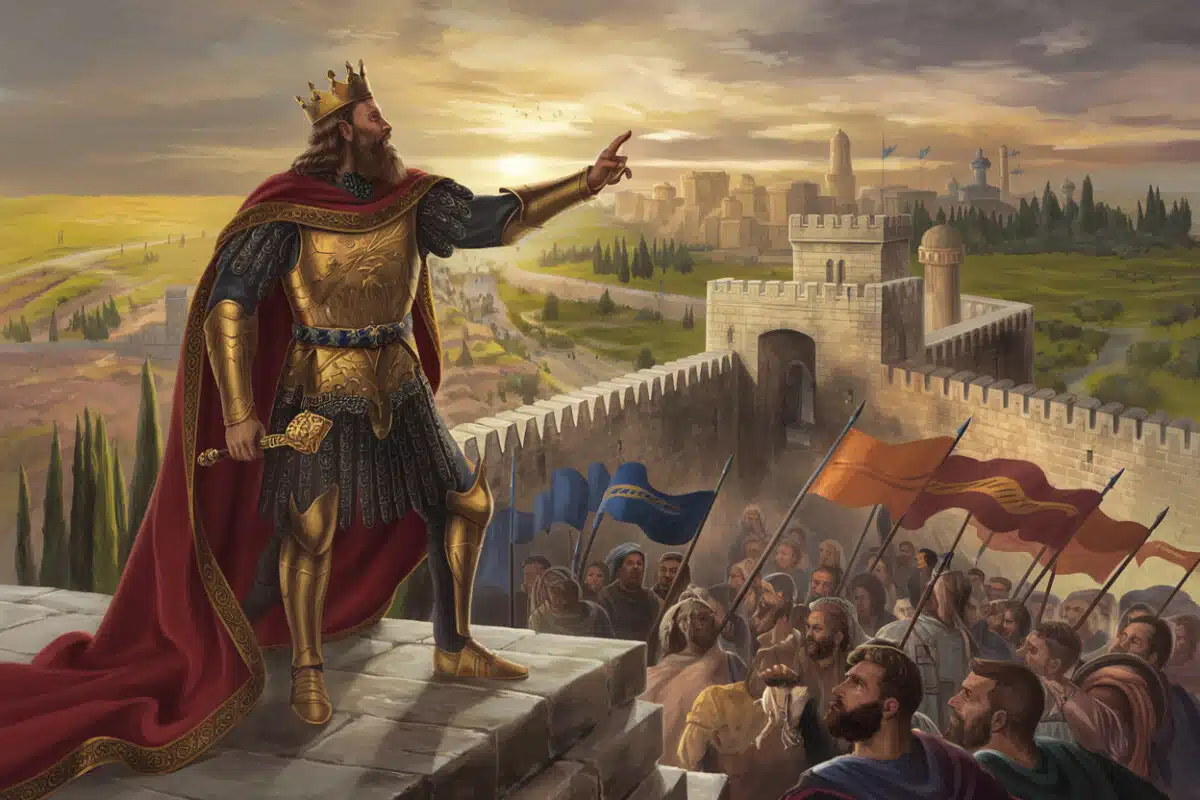
Adoni-Zedek’s story unfolds during a critical period in Israel’s conquest of Canaan. His role as the king of Jerusalem reveals key insights into the political and spiritual climate of the time.
The City Of Jerusalem In Adoni-Zedek’s Time
Jerusalem, under Adoni-Zedek, was a fortified city in the hill country of Canaan. It held strategic importance due to its location between major trade routes and its elevated position. This made it both a defensive stronghold and a target for surrounding nations.
The name “Jerusalem” likely derives from “Uru-Salim,” meaning “Foundation of Shalem,” an ancient deity worshipped by early inhabitants. By Adoni-Zedek’s reign, it had become one of several Amorite cities resisting Israel’s advance into Canaan (Joshua 10:1-5 NKJV). This resistance stemmed from fear after hearing how God had given victory to Joshua over Jericho and Ai.
Adoni-Zedek formed alliances with four other kings to protect Gibeon, which had allied with Israel. Their coalition attacked Gibeon but faced defeat when God intervened directly in battle: “So the Lord routed them before Israel” (Joshua 10:10 NKJV). Jerusalem at this stage was not yet central to Israel’s history but would later become pivotal under King David.
The Role Of Kings In The Canaanite Period
Canaanite kings like Adoni-Zedek served as both political leaders and military commanders. They governed city-states that operated independently while forming alliances during times of war or crisis. These kings often represented their cities’ patron deities, reinforcing their authority through religious influence.
Amorite rulers frequently acted out of fear when threatened by external forces like Israel. After learning about God’s miracles for Israel—including drying up the Jordan River—these kings united against common enemies (Joshua 2:9-11 NKJV).
Even though their power, these rulers couldn’t withstand divine intervention. During Joshua’s campaign, God demonstrated superiority over human strength and false gods through miraculous victories: “The Lord fought for Israel” (Joshua 10:14 NKJV). This dynamic highlighted that earthly rulers were powerless against God’s plans and emphasized His sovereignty over all nations in Canaan.
Adoni-Zedek’s Story In The Book Of Joshua

Adoni-Zedek’s actions in the book of Joshua highlight his defiance against God’s plans. His story unfolds during Israel’s conquest of Canaan, showcasing themes of rebellion and divine judgment.
The Alliance Against Gibeon
Adoni-Zedek feared Israel after hearing about their victories over Jericho and Ai. He also learned that Gibeon, a strong city with mighty warriors, had made peace with Israel (Joshua 10:1-2, NKJV). This alliance threatened the balance of power in Canaan.
To counter this, Adoni-Zedek formed an alliance with four Amorite kings from Hebron, Jarmuth, Lachish, and Eglon. Together they planned to attack Gibeon for allying with Israel (Joshua 10:3-4). Their combined forces aimed to intimidate both Gibeon and Israel.
Gibeon called on Joshua for help when the coalition attacked. Trusting God’s promise of victory, Joshua led his army from Gilgal by night (Joshua 10:6-9). This rapid response set the stage for one of the most remarkable battles recorded in Scripture.
Defeat And Judgment By Joshua
God intervened directly as Israel faced Adoni-Zedek’s coalition. He caused confusion among their forces and rained hailstones that killed more soldiers than those slain by swords (Joshua 10:10-11).
In an extraordinary event, Joshua prayed for the sun to stand still to prolong daylight. God answered his prayer—“So the sun stood still…and did not hasten to go down for about a whole day” (Joshua 10:13, NKJV). This miraculous act demonstrated God’s sovereignty over creation.
After their defeat, Adoni-Zedek and his allies hid in a cave at Makkedah. They were captured on Joshua’s command and executed as part of God’s judgment against their rebellion (Joshua 10:16-27). Their deaths symbolized divine justice prevailing over human opposition.
Symbolism And Lessons From Adoni-Zedek
Adoni-Zedek’s story reveals deep spiritual truths. His actions symbolize rebellion, while his downfall teaches valuable lessons about faith and obedience.
Representing Opposition To God’s Will
Adoni-Zedek symbolizes human defiance against divine authority. He feared Israel’s victories but chose rebellion over submission to God’s plan.
His coalition with four Amorite kings highlights the futility of resisting God. Even though their military strength, they couldn’t overcome God’s intervention (Joshua 10:8, NKJV: “Do not fear them, for I have delivered them into your hand; not a man of them shall stand before you.”).
The attack on Gibeon reflects hostility toward those aligned with God. By targeting Gibeon for making peace with Israel, Adoni-Zedek exemplified opposition to divine alliances.
God’s miraculous acts during the battle emphasize His sovereignty. The confusion among enemy forces and the prolonged daylight (Joshua 10:13) underscore that no power can prevail against Him.
Adoni-Zedek’s defeat portrays inevitable judgment for opposing God’s will. It reminds me that all resistance is eventually futile when faced with divine justice.
Faith Lessons From His Downfall
Adoni-Zedek’s downfall offers key lessons about trust in God’s promises. Joshua acted in faith without hesitation because he knew God had assured victory (Joshua 10:9).
God intervenes when we walk in obedience. The hailstorm and halted sun show how He fights battles for those who trust Him fully (Joshua 10:11-14).
Defiance leads to destruction, as seen in Adoni-Zedek’s capture and execution. This reminds me that rebellion results in separation from God’s blessings and protection.
Faith aligns us with God’s plans instead of resisting them:
- Trust strengthens our reliance on Him.
- Obedience opens doors to miracles.
- Surrender eliminates conflict between human will and divine purpose.
These lessons challenge me to live faithfully by aligning my life with His will rather than opposing it through fear or pride.
Adoni-Zedek’s Legacy In Biblical Narrative
Adoni-Zedek’s story, detailed in Joshua 10, reveals themes of rebellion and divine intervention. His coalition with four Amorite kings to attack Gibeon stands as an act of defiance against God’s chosen people.
God’s response demonstrates His sovereignty. Joshua 10:8 (NKJV) states, “Do not fear them, for I have delivered them into your hand; not a man of them shall stand before you.” This promise led to Israel’s victory through miraculous events like hailstones from heaven and the sun standing still.
Adoni-Zedek symbolizes resistance to God’s authority. His actions highlight the consequences of opposing God’s plans. Even though his power as King of Jerusalem, he couldn’t escape judgment.
His defeat serves as a reminder that no human strength can thwart divine will. The execution of him and his allies is recorded in Joshua 10:26 (NKJV): “And afterward Joshua struck them and killed them, and hanged them on five trees.”
- Rebellion Against God
Adoni-Zedek opposed God’s people by attacking Gibeon after their covenant with Israel.
- Divine Justice
His capture and execution illustrate how rebellion leads to judgment.
- Sovereignty of God
Miracles during the battle affirm God’s control over all circumstances.
The legacy left by Adoni-Zedek underscores trusting God’s promises. It challenges us to align with Him rather than oppose His plans.
Conclusion
Adoni-Zedek’s story offers profound insights into the consequences of resisting God’s authority and the power of divine intervention. His defiance, driven by fear and self-preservation, eventually led to his downfall and serves as a powerful reminder that no human effort can prevail against God’s plans.
This narrative challenges us to evaluate our own lives, encouraging faith, obedience, and alignment with God’s purpose. Adoni-Zedek’s legacy stands as both a cautionary tale and an affirmation of God’s unwavering sovereignty over all circumstances.
What Lessons on Defiance and Judgment Can We Learn from the Story of Og in Relation to Adoni-Zedek?
The story of Og, renowned for his colossal stature, teaches us profound lessons on defiance and judgment. His encounters with Adoni-Zedek highlight the importance of faith and victory in giant battles. Embracing courage in the face of seemingly insurmountable odds can lead to triumph and spiritual growth.
Share On Pinterest!


Related Posts

Famous Healing Miracles in the Bible and What They Teach Us
Last updated: June 2026 Explore the most famous healing miracles in the Bible — from Naaman to Bartimaeus — and discover what each story reveals about God, faith, and your own prayers for healing.
 May 9, 2026
10 Bible Characters Who Demonstrated Extraordinary Faith
Last updated: May 2026 Discover 10 Bible characters who demonstrated extraordinary faith — from Abraham leaving without a map to Mary saying yes without a guarantee. Their stories will strengthen yours.
May 18, 2026
How to Have Faith When Life Gets Hard — What the Bible Says
Last updated: May 2026 When life falls apart, faith can feel impossible. Discover what the Bible actually says about trusting God in hard times — honest, practical, and grounded in Scripture.
May 15, 2026
What Is the Gift of Healing in the Bible?
Last updated: June 2026 Discover what the Bible really says about the gift of healing — the Greek meaning, how it operated in the early church, whether it's still active today, and what to do when healing doesn't come.
May 9, 2026


 By
By


