
When we think about giants in the Bible, one name often comes to mind—Og, the king of Bashan. His story might not be as well-known as David and Goliath’s, but it carries powerful lessons about God’s authority and faithfulness.
Og wasn’t just a king; he was a symbol of immense power and intimidation. Yet, his defeat reminds us that no force is too great for God to overcome. Exploring Og’s role in Scripture reveals deeper truths about trust and divine victory that still resonate today.
Who Is Og In The Bible?
Og, the king of Bashan, is a biblical figure known for his strength and stature. He ruled over sixty fortified cities in the region of Bashan (Deuteronomy 3:4). His story showcases God’s power over even the most intimidating enemies.
The Bible describes him as one of the last remnants of the Rephaim, a race of giants (Deuteronomy 3:11). His iron bed measured approximately thirteen feet long and six feet wide. This detail highlights both his physical size and his reputation.
Og’s defeat occurred during Israel’s journey to the Promised Land. Moses led Israel into battle against him at Edrei after God declared victory was certain (Numbers 21:33-35). Even though Og’s might, he fell before God’s promise.
| Attribute | Description |
|---|---|
| Title | King of Bashan |
| Notable Feature | Giant stature; part of Rephaim |
| Territory | Sixty fortified cities in Bashan |
| Defeat Location | Edrei |
God repeatedly reminded Israel about Og’s defeat to inspire faith in His provision. Psalm 135:11 says, “Sihon king of the Amorites, Og king of Bashan, and all the kingdoms of Canaan.” This verse reflects on victories that proved God’s supremacy.
Og symbolizes opposition that seems impossible to overcome. Yet, his downfall serves as a reminder that no enemy can stand against God when He fights for His people.
Historical Context Of Og
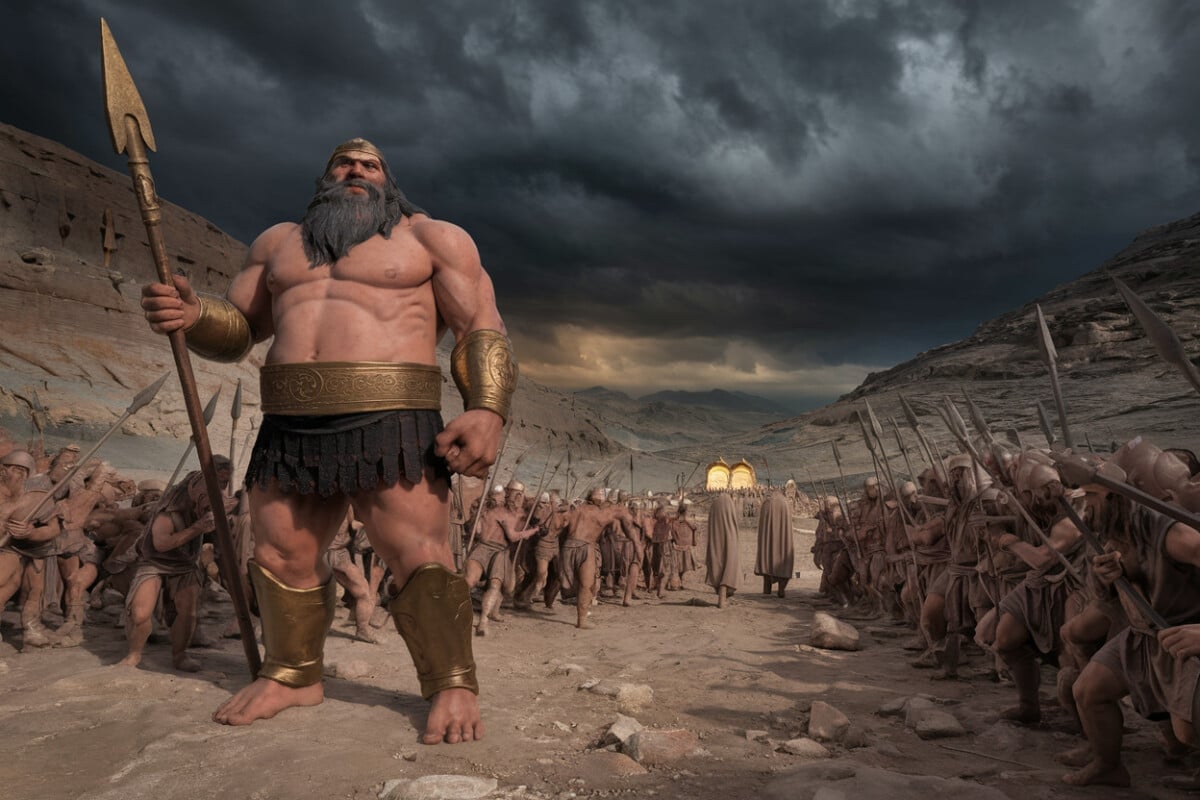
Og, the king of Bashan, is a prominent figure in biblical history. His story reflects themes of God’s power and faithfulness against overwhelming odds.
Og’s Role In The Old Testament
Og is introduced as one of the last Rephaim, a group known for their immense size (Deuteronomy 3:11). He ruled over Bashan and commanded sixty fortified cities, showcasing his military strength.
Moses led Israel to defeat Og during their journey to the Promised Land. Numbers 21:33-35 recounts this battle at Edrei, where God assured Moses of victory: “Do not fear him, for I have delivered him into your hand” (NKJV). This triumph demonstrated God’s sovereignty.
Scripture repeatedly references Og’s defeat to remind Israel of God’s deliverance. Psalm 135:11 highlights this event alongside Sihon’s fall: “Sihon king of the Amorites, Og king of Bashan…and gave their land as a heritage” (NKJV). These reminders strengthened Israel’s trust in God’s promises.
The Kingdom Of Bashan
Bashan was located east of the Jordan River. It was known for its fertile lands and abundance of resources like oak trees and livestock (Ezekiel 27:6).
Og’s kingdom included sixty walled cities with high defenses (Deuteronomy 3:4-5). These fortresses reflected his strength but were no match for God’s power.
This region symbolized opposition to God’s people yet became part of Israel’s inheritance after Og’s defeat. Deuteronomy 3:13 states that half the tribe of Manasseh received Bashan as their possession. This transfer illustrates how God fulfills His promises even though obstacles faced by His people.
Character Traits Of Og
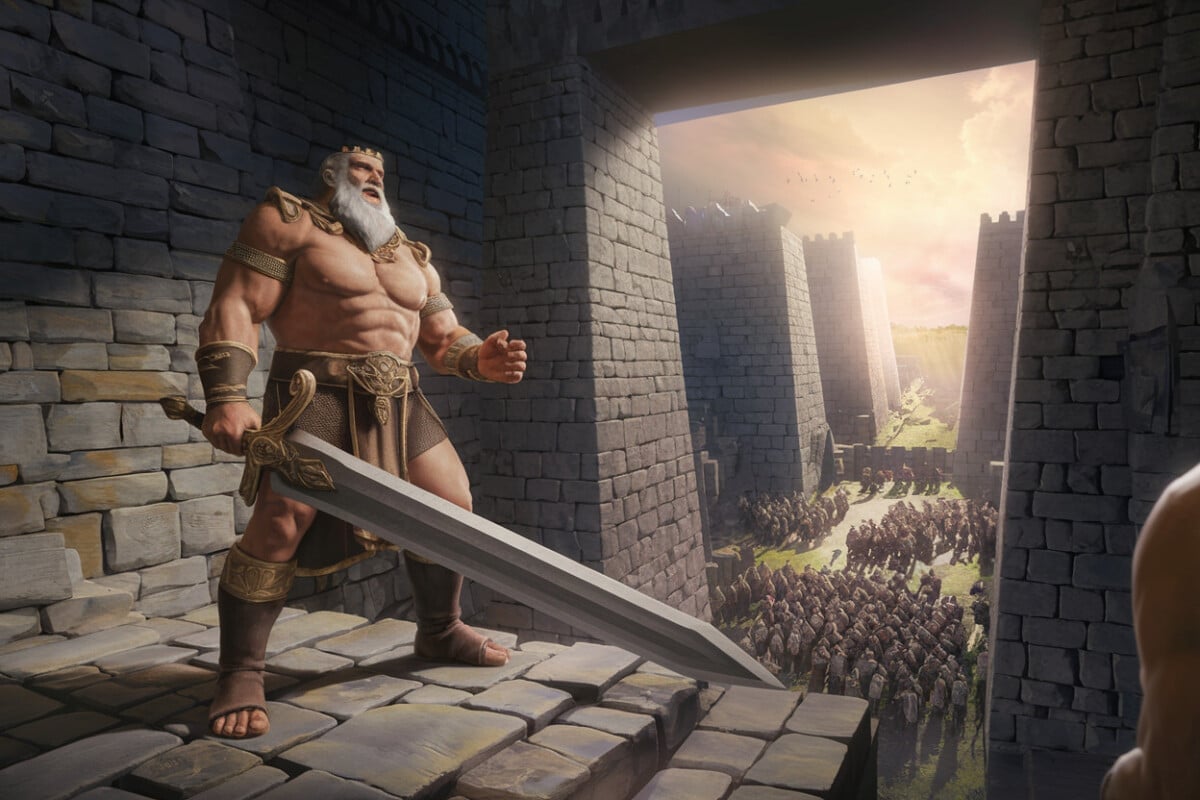
Og, the king of Bashan, is depicted as a figure of immense strength and influence in the Bible. His traits reflect themes of dominance, defiance, and eventual defeat under God’s power.
Og’s Strength And Power
Og’s physical stature set him apart as a giant among men. Deuteronomy 3:11 describes his iron bedstead as over thirteen feet long—evidence of his extraordinary size and might. This detail highlights his intimidating presence.
His authority extended across sixty fortified cities in Bashan (Deuteronomy 3:4). These strongholds symbolized military power and strategic control over fertile lands. Such dominion required exceptional leadership skills coupled with the ability to inspire fear among enemies.
Even though his might, Og could not withstand God’s intervention. Numbers 21:34 records how God assured Moses, saying, “Do not fear him, for I have delivered him into your hand.” This statement underscores that Og’s strength was no match for divine sovereignty.
Og’s Legacy In Biblical Texts
Og represents opposition against God’s promises. As one of the last Rephaim (Deuteronomy 3:11), he symbolizes forces that seem impossible to overcome but eventually fall before God.
The psalmist recounts his defeat alongside Sihon’s in Psalm 135:11: “Sihon king of the Amorites, Og king of Bashan… And gave their land as a heritage.” His downfall became an enduring reminder of God’s faithfulness to Israel.
His kingdom’s fertile lands were distributed among Israel’s tribes (Deuteronomy 3:13). This inheritance reflects how God transforms challenges into blessings for His people when they trust Him fully.
Og stands as both a warning against arrogance and a testimony to God’s unmatched power over every adversary.
Comparisons With Other Biblical Figures
Og’s story mirrors other biblical figures who stood as obstacles to God’s plans. Like Goliath, Og represents human power and pride. Both relied on their size and strength but were defeated by God’s intervention.
Joshua faced similar opposition in Jericho. The city’s walls symbolized insurmountable barriers, yet they fell through obedience to God’s command (Joshua 6:20). Similarly, Og’s defeat at Edrei showed that no adversary is too strong for God.
Pharaoh of Egypt also parallels Og in resisting God’s will. Pharaoh’s hardened heart led to his downfall during the Exodus (Exodus 14:28). In contrast, Moses trusted God against Og even though overwhelming odds.
| Biblical Figure | Opposition Symbolized | Outcome Through God | Reference |
|---|---|---|---|
| Goliath | Physical Power | Defeated by David | 1 Samuel 17:50 |
| Jericho’s Walls | Structural Barriers | Fell with Obedience | Joshua 6:20 |
| Pharaoh | Stubbornness Against God | Overcome by Plagues & Sea | Exodus 14:28 |
| Og | Military Strength & Size | Conquered at Edrei | Numbers 21:33-35 |
Og contrasts with figures like Abraham, who displayed faithfulness. While Abraham obeyed God’s promises without doubt (Genesis 15:6), Og embodied resistance and defiance.
Psalmists often reflected on these victories to inspire trust in God’s power. Psalm 135:11 celebrates His triumph over “Sihon king of the Amorites” and “Og king of Bashan,” reminding believers of divine supremacy.
These comparisons highlight a recurring theme—God overcomes all opposition when His people trust Him fully.
Lessons From The Life Of Og
Og’s story reveals powerful spiritual truths about God’s authority. His defeat demonstrates that no worldly power can stand against God’s will.
Trust In God’s Power
God promised Moses victory over Og even though his strength and fortified cities. Numbers 21:34 says, “Do not fear him, for I have delivered him into your hand” (NKJV). This shows the importance of trusting God even when challenges seem overwhelming.
Overcoming Giants
Og’s size and military might symbolized insurmountable obstacles. Yet, his fall reminds me that no giant is too great when we rely on divine intervention. Psalm 135:11 highlights this by recalling, “Sihon king of the Amorites, Og king of Bashan…and gave their land as a heritage” (NKJV).
God’s Faithfulness To His Promises
The fertile lands of Bashan became Israel’s inheritance after Og’s defeat. Deuteronomy 3:13 confirms this: “I gave Gilead to Machir.” This reflects how God transforms opposition into blessings for His people.
Warnings Against Arrogance
Og represents pride in human strength and defiance against God. His downfall serves as a warning to remain humble before Him. Proverbs 16:18 states, “Pride goes before destruction,” which aligns with Og’s fate.
- Trust: Rely on God’s promises during trials.
- Faith: Remember past victories like Og’s defeat to inspire confidence.
- Humility: Acknowledge our dependence on God rather than personal strength.
These lessons from Og remind me that God’s power surpasses every obstacle we face today.
Conclusion
Og’s story is a powerful testament to God’s unmatched authority and faithfulness. His towering presence and fortified kingdom pale in comparison to god power that ensured his defeat. Through Og’s fall, we’re reminded that no challenge, no matter how overwhelming it seems, can stand against God’s promises.
This account encourages us to trust God fully, even when facing what feels like insurmountable odds. Og’s legacy isn’t just one of dominance and defiance but also of ultimate surrender to God’s will. His life offers timeless lessons about humility, faith, and the assurance that God transforms obstacles into blessings for those who rely on Him.
What Lessons of Faith and God’s Power Can We Learn from Both Og and Hoham?
The stories of Og and Hoham highlight profound themes of faith and God’s sovereignty. In their defeat, we find lessons from hoham on faith that remind us of the strength in trusting divine guidance. Their narratives encourage believers to embrace unwavering faith in God’s power, even amidst seemingly insurmountable challenges.
Share On Pinterest!



Pastor Duke has been preaching and teaching the Bible since 1988. He has shared his knowledge online since 2011.






 By
By