
When we jump into the history of Judah’s kings, Jehoahaz stands out as a figure wrapped in both intrigue and lessons. Though his reign was brief, it left an undeniable mark on the spiritual and political world of his time.
Jehoahaz’s story isn’t just about leadership—it’s a reflection of choices, consequences, and God’s enduring hand over His people. Understanding who he was helps us see how even short-lived moments can carry eternal significance.
Overview Of Jehoahaz Of Judah
Jehoahaz of Judah was the seventeenth king to reign over the kingdom of Judah. He was the son of King Josiah, known for his reforms and devotion to God. Jehoahaz’s rule marked a sharp departure from his father’s faithfulness.
He reigned for only three months before being deposed by Pharaoh Necho II of Egypt. According to 2 Kings 23:31 (NKJV), “Jehoahaz was twenty-three years old when he became king, and he reigned three months in Jerusalem.” His brief reign ended with his capture and exile.
Pharaoh Necho II placed him under arrest at Riblah in Hamath. This action allowed Necho to assert control over Judah by appointing Eliakim, Jehoahaz’s brother, as king instead. The Bible records that Pharaoh later changed Eliakim’s name to Jehoiakim (2 Kings 23:34).
The Bible describes Jehoahaz as doing evil in God’s sight during his short time as king (2 Kings 23:32). Unlike Josiah, who walked in obedience, Jehoahaz followed practices displeasing to God. This deviation led to divine judgment through foreign intervention.
Key Facts About Jehoahaz
| Aspect | Details |
|---|---|
| Reign Duration | Three months |
| Age at Accession | Twenty-three years |
| Father | King Josiah |
| Captured By | Pharaoh Necho II |
| Biblical Reference | 2 Kings 23:31-33; 2 Chronicles 36:1-4 |
His removal symbolized God’s sovereignty even amidst political upheaval. Though kings rose and fell, divine authority remained constant.
Historical Background
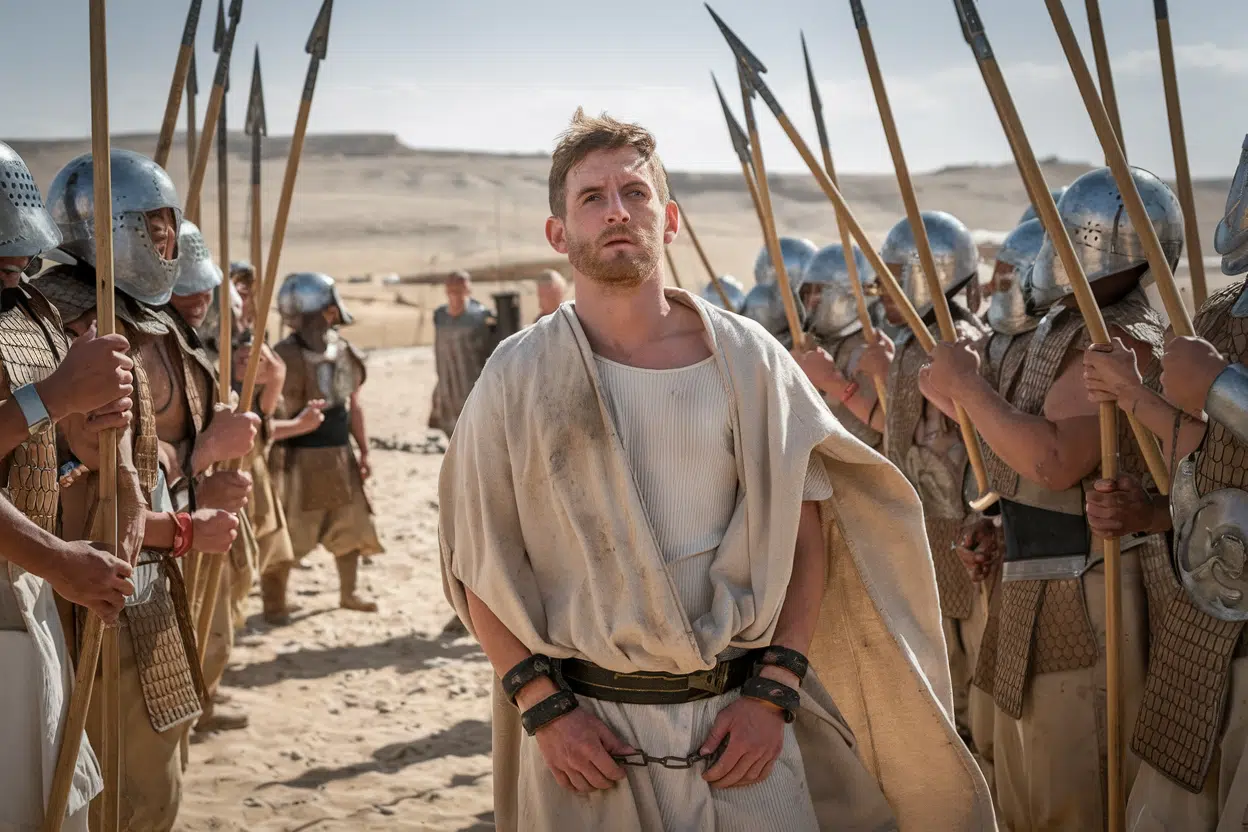
Jehoahaz’s reign occurred during a turbulent period in Judah’s history. His brief rule reflected the shifting dynamics of political power and spiritual decline.
The Kingdom Of Judah
Judah, the southern kingdom of Israel, was established following King Solomon’s death. It remained distinct from the northern kingdom due to its Davidic lineage and Jerusalem as its capital.
The nation faced constant threats from surrounding empires like Assyria and Egypt. By Jehoahaz’s time, Egypt exerted significant influence over Judah. Pharaoh Necho II invaded and controlled key regions after defeating King Josiah at Megiddo (2 Kings 23:29-30).
Even though being God’s chosen people, Judah repeatedly fell into idolatry and rebellion. Leaders often abandoned covenantal obligations, leading to divine judgment through foreign domination.
The Lineage Of Jehoahaz
Jehoahaz was Josiah’s fourth son (1 Chronicles 3:15). His original name was Shallum, but biblical accounts reference him by his royal title (Jeremiah 22:11).
Josiah’s reforms significantly impacted Judah’s faithfulness to God during his reign (2 Kings 23:25). But, Jehoahaz did not follow his father’s example of righteousness.
He reigned for only three months before Pharaoh Necho II deposed him (2 Kings 23:31-33). Necho replaced him with Eliakim, renaming him Jehoiakim to enforce Egyptian dominance over Judah.
Reign Of Jehoahaz
Jehoahaz’s reign was brief but pivotal in Judah’s history. His leadership highlighted the consequences of spiritual rebellion and foreign intervention.
Duration And Challenges
Jehoahaz ruled for only three months (2 Kings 23:31). His short tenure reflected political instability and divine judgment on Judah.
Pharaoh Necho II deposed him, imprisoning him in Riblah (2 Kings 23:33). This action signaled Egypt’s dominance over Judah during this time.
Jehoahaz faced challenges from both external forces and his own failure to honor God. The Bible describes him as doing evil in God’s sight, unlike his father Josiah (2 Kings 23:32). This disobedience brought swift consequences.
Necho replaced Jehoahaz with Eliakim, renamed Jehoiakim, further diminishing Judah’s autonomy. These events demonstrated how ungodly leadership weakened the nation spiritually and politically.
Political And Religious Climate
The political climate during Jehoahaz’s rule was turbulent. Egypt held significant influence after defeating Josiah at Megiddo (2 Kings 23:29-30). Judah became a vassal state under Egyptian control.
Religiously, idolatry plagued the nation even though Josiah’s reforms. Jehoahaz failed to uphold his father’s legacy of faithfulness to God. Scripture records that he “did evil in the sight of the Lord” (2 Kings 23:32, NKJV).
Judah’s disobedience led to its vulnerability against foreign powers. Necho extracted a heavy tribute from Jerusalem—100 talents of silver and one talent of gold—to assert control (2 Kings 23:33-35).
This period revealed the devastating impact of abandoning God’s ways on national stability and spiritual vitality.
Jehoahaz’s Relationship With Egypt

Jehoahaz’s reign intersected with Egypt’s rising power. Pharaoh Necho II played a decisive role in shaping Judah’s political future during this period.
Capture By Pharaoh Necho
Pharaoh Necho captured Jehoahaz after only three months of his rule. This happened at Riblah, where Necho had established control over the region following King Josiah’s defeat at Megiddo.
The Bible records that “Pharaoh Necho put him in prison at Riblah in the land of Hamath” (2 Kings 23:33, NKJV). This imprisonment effectively ended Jehoahaz’s reign and symbolized Egypt’s authority over Judah. While held captive, he was transported to Egypt, fulfilling Jeremiah’s ominous prophecy that he would never see Judah again (Jeremiah 22:11-12).
Necho replaced Jehoahaz with Eliakim, his brother, renaming him Jehoiakim to signify Egyptian dominance. The swift removal of Jehoahaz highlighted Judah’s vulnerability. It also reflected divine judgment for abandoning God’s covenant.
Consequences Of His Imprisonment
Jehoahaz’s imprisonment led to significant changes in Judah’s leadership and sovereignty. With foreign rulers dictating kingship, Judah became a vassal state under Egyptian control.
Egypt imposed heavy tributes on the land as part of its domination strategy. According to Scripture, “the king of Egypt imposed on the land a tribute of one hundred talents of silver and a talent of gold” (2 Kings 23:33-34, NKJV). This financial burden weakened Judah further and exacerbated its decline.
The people’s morale suffered due to their king’s capture and exile in Egypt. Spiritually, it marked another step away from Godly leadership established by Josiah. These consequences showcased how rebellion against God invited both internal instability and external oppression into the nation’s affairs.
Legacy And Biblical References
Jehoahaz’s legacy reflects a cautionary tale of disobedience and divine judgment. His brief reign is noted for its spiritual failures and the fulfillment of prophetic warnings.
Representation In The Bible
The Bible depicts Jehoahaz as an unrighteous king. 2 Kings 23:32 (NKJV) states, “And he did evil in the sight of the Lord, according to all that his fathers had done.” This highlights his departure from God’s covenant.
Jeremiah prophesied about Jehoahaz’s fate. Jeremiah 22:11-12 (NKJV) declares, “He shall not return here anymore… but shall die in the place where they have led him captive.” This prophecy was fulfilled when Pharaoh Necho II exiled him to Egypt.
Jehoahaz’s story serves as a symbol of Judah’s decline. His actions contributed to God’s judgment through foreign domination, with Egypt asserting control over Judah during his time.
Lessons From His Leadership
Jehoahaz’s leadership emphasizes the consequences of turning from God’s ways. His failure led to both personal downfall and national suffering under foreign rule.
- Spiritual accountability: Leaders are responsible for upholding righteousness before God.
- Impact of choices: Disobedience can invite external pressures, as seen with Egypt’s dominance.
- Short-term influence: Even brief reigns leave lasting effects on nations and people.
His life underscores that rejecting God’s guidance weakens spiritual and political stability. Remaining faithful aligns leadership with divine favor and protection for communities under their care.
How Did the Reigns of Jehoahaz of Israel and Jehoahaz of Judah Compare?
The reigns of Jehoahaz of Israel and Jehoahaz of Judah shared similarities in their struggles against foreign powers. While Jehoahaz of Israel faced Aramean oppression due to the nation’s disobedience, Judah’s Jehoahaz ruled briefly before being deposed by Egypt. The jehoahaz of israel story highlights divine mercy despite Israel’s setbacks.
Conclusion
Jehoahaz of Judah stands as a reminder of how leadership decisions can shape the fate of an entire nation. His brief reign, marked by disobedience and divine judgment, highlights the critical role of spiritual accountability in governance. Though his time on the throne was short-lived, it carried lasting consequences that reflected God’s sovereignty over His people.
The story of Jehoahaz serves as both a warning and a lesson for leaders throughout history. It shows that turning away from righteousness invites instability and external control, while faithfulness to God ensures guidance and protection even in challenging times.
Related Posts
What Is Soaking Worship — and Is It Biblical?
Last updated: June 2026 By Duke Taber If you've spent time in charismatic or Pentecostal circles, you've probably heard the term. Someone invites you to a…
 Jun 4, 2026
When Worship Becomes Your Weapon: The Connection Between Praise and Spiritual Warfare in 2 Chronicles 20
Last updated: June 2026 By Duke Taber There are moments in life when the threat in front of you is simply too large to fight with…
Jun 2, 2026
The Hebrews 11 'Hall of Faith' — A Deep Dive
Last updated: May 2026 Explore Hebrews 11's hall of faith and discover how biblical heroes like Abel, Noah, and Abraham trusted God against impossible odds. Read our deep dive analysis.
May 15, 2026
What Role Do Musicians Play in Worship? A Biblical Look
Last updated: June 2026 By Duke Taber If you have ever sat in a Sunday morning service and felt something shift the moment the music began,…
Jun 2, 2026


 By
By


