

By Pastor Duke Taber
If you’ve ever sat across the table from a Lutheran friend and wondered what actually goes on inside their tradition, you’re not alone. With more than 77 million followers worldwide, Lutheranism is one of the largest branches of Protestantism, yet many Evangelical Christians don’t have a clear picture of what Lutherans actually believe, where they agree with broader historic Christianity, and where they part ways. That matters, because when you understand another tradition fairly, you understand your own more deeply too.
This is not a critique of Lutheranism. It’s a fair-minded look at a tradition that began with one of the most consequential acts in church history and continues to shape millions of lives today.
The Man Behind the Movement

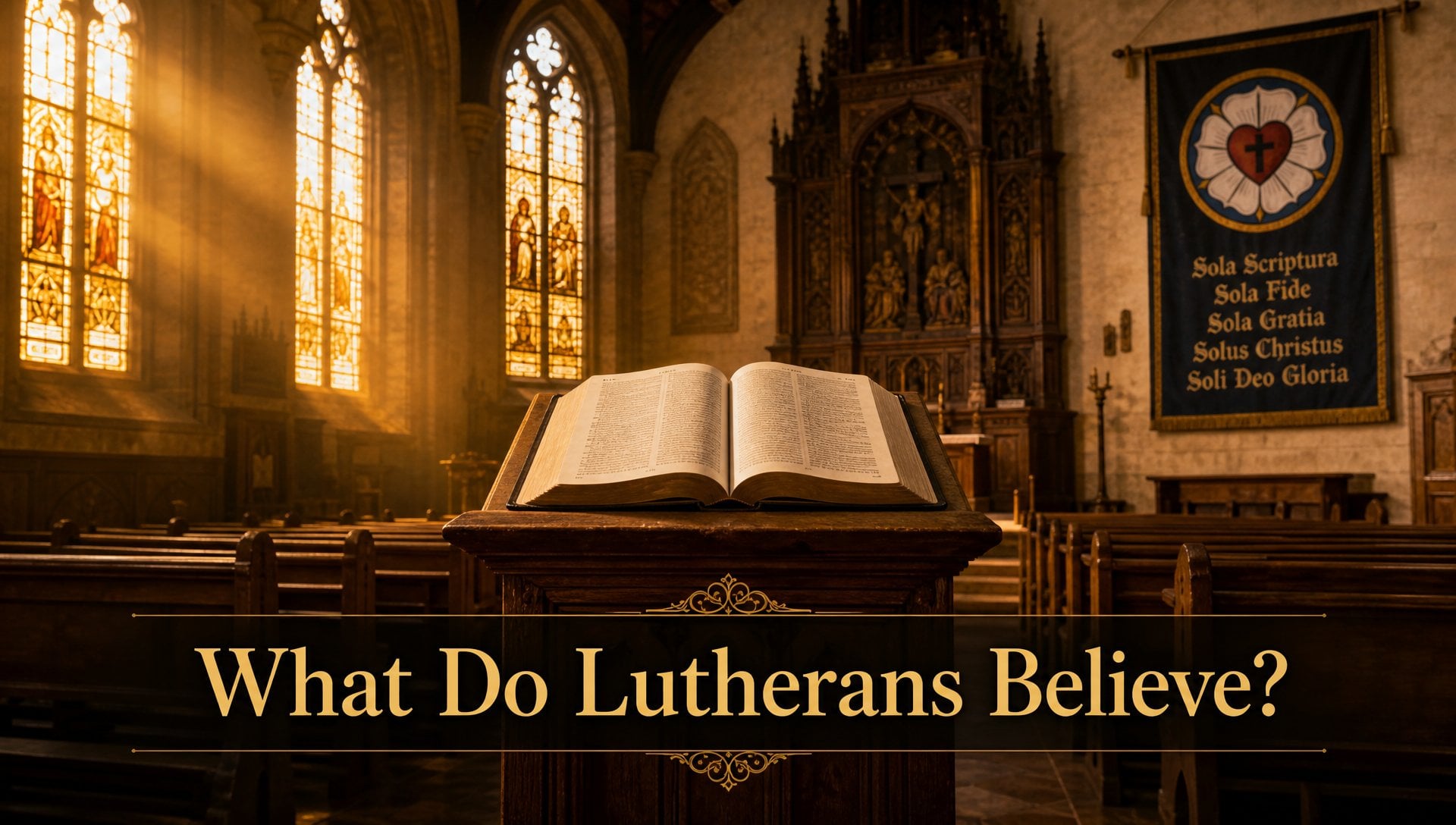
To understand Lutheran theology, you have to start with the man himself. Martin Luther was a German monk and professor of theology who, on October 31, 1517, nailed his Ninety-Five Theses to the door of the Castle Church in Wittenberg. His target was the sale of indulgences, a practice that allowed people to purchase remission of sin’s penalties, and the broader issue of a church that had allowed human tradition to crowd out the plain teaching of Scripture.
Luther wasn’t trying to start a new church. He was trying to reform the one he was in. What happened instead changed the Christian world.
His central discovery, forged through intense personal anguish over his own sin, was that a man is not made right with God by what he does. He is made right by what God has already done in Christ, received through faith. That conviction poured out into every corner of his theology and gave birth to what we now call Lutheranism.
The Three Solas: The Foundation of Lutheran Belief

When Lutherans want to summarize the heart of their faith, they reach for three Latin phrases. These three “solas,” meaning “alone,” sit beneath everything else.
Sola Scriptura: Scripture Alone
For Luther, the church had elevated tradition, councils, and papal authority to the same level as Scripture. He argued that was exactly backwards. The Bible, he insisted, is the only infallible source and final authority for Christian doctrine and life. Everything else must be tested against it.
“All Scripture is given by inspiration of God, and is profitable for doctrine, for reproof, for correction, for instruction in righteousness.” — 2 Timothy 3:16 (NKJV)
This principle, known as Sola Scriptura, became the bedrock of all Protestant Christianity. The question Lutheran theology always asks is not “what does the church teach?” but “what does Scripture say?”
The two major Lutheran bodies in the United States differ somewhat here. The Lutheran Church–Missouri Synod (LCMS) holds a conservative view of biblical inerrancy, treating the text as fully authoritative and without error in all that it affirms. The Evangelical Lutheran Church in America (ELCA) takes a more progressive approach, allowing for more latitude in interpreting Scripture through a cultural lens. This difference runs deep and accounts for most of the significant theological gaps between these two bodies.
Sola Gratia: Grace Alone
Luther didn’t just want to fix a few practices. He wanted to recover the radical, unearned nature of salvation. Sola Gratia teaches that salvation comes entirely as God’s undeserved gift to sinners who deserve nothing but judgment. There is no contribution from the human side that tips the scales. God acts, and man receives.
Evangelicals who understand the grace articles on AnsweredFaith.com explore will find much common ground here. The priority of divine grace in the work of salvation is not a Lutheran invention. It runs straight through the blood of Scripture.
“For by grace you have been saved through faith, and that not of yourselves; it is the gift of God, not of works, lest anyone should boast.” — Ephesians 2:8–9 (NKJV)
Sola Fide: Faith Alone
The third sola is arguably the most famous, and it was certainly the most explosive in Luther’s day. Justification by faith alone means that a sinner is declared righteous before God not by performing religious rituals, not by moral achievement, not by sacramental participation, but by faith in Jesus Christ and his finished work.
Luther called this doctrine “the article by which the church stands or falls.” It is the spine of Lutheran theology. Everything else is arranged around it.
This is a place where serious Evangelical theology and Lutheran theology share the same ground. Faith is not simply intellectual assent. It is a living trust in a living Savior. And it is through that trust, not through effort, that a person is made right with God.
What Lutherans Believe About God and Scripture
Lutheranism holds to the classical Christian doctrine of the Trinity. God is one God existing eternally in three persons: Father, Son, and Holy Spirit. This is not a distinctly Lutheran position; it is the shared ground of historic Christianity.
Lutherans affirm the full divinity and full humanity of Jesus Christ, the Virgin Birth, the physical resurrection, and the bodily return of Christ. These are not negotiable for confessional Lutherans. The LCMS holds these positions with great firmness. The ELCA, in recent decades, has moved in directions that many Evangelical Christians would find troubling, allowing for redefinition of marriage and other departures from historic Christian teaching. Not all Lutherans are the same, and that distinction matters enormously.
The Lutheran Understanding of Sin and Human Nature
Lutheranism teaches that human beings are thoroughly fallen. Original sin is not merely a bad tendency or environmental damage. It is a fundamental corruption of human nature that leaves a person spiritually dead and incapable of turning to God through his or her own strength or reason.
“For all have sinned and fall short of the glory of God.” — Romans 3:23 (NKJV)
This view of human sinfulness is not a reason for despair in Lutheran theology. It is the essential backdrop against which the grace of God shines most brightly. You don’t need a Savior if you’re already fine. Lutheran preaching is structured to show the weight of the Law precisely so that the Gospel lands with full force.
Lutherans make a strong distinction between Law and Gospel. The Law reveals sin and crushes human pride. The Gospel announces the forgiveness and life that Christ alone provides. Confusing the two is, in Lutheran eyes, one of the most dangerous things a preacher can do. The Law cannot save anyone. The Gospel is the only power that can.
Lutheran Sacramental Theology: Where Things Get Interesting
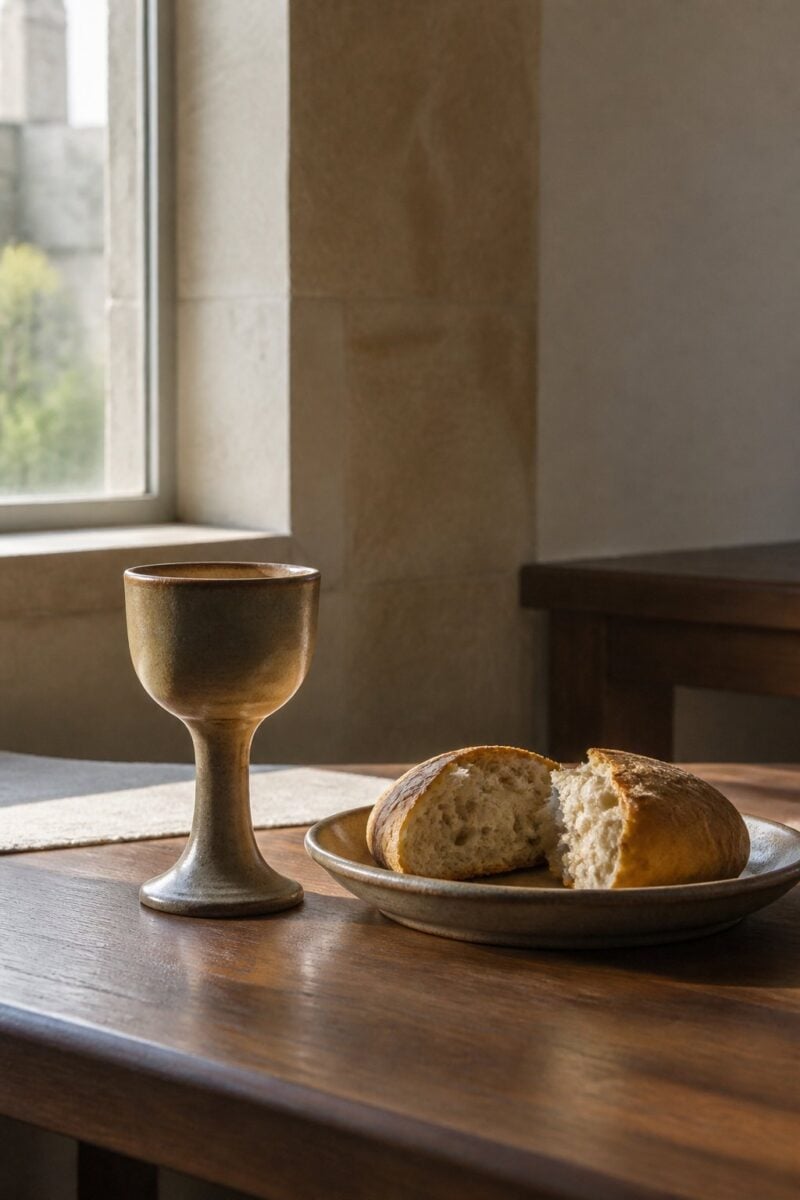
This is where Lutheranism parts ways, sometimes sharply, with many Evangelical traditions. Lutherans recognize two sacraments: Baptism and the Lord’s Supper. Both are understood as genuine means of grace, not mere symbols or acts of human obedience, but vehicles through which God actually works to deliver his gifts.
Baptism
For Lutherans, Baptism is not a public declaration of a decision already made. It is an act of God in which faith can be created, sins are forgiven, and the person is brought into the community of the redeemed. This is why Lutherans baptize infants. Since Baptism is understood as God’s work rather than a human act of commitment, infant Baptism makes perfect sense within their framework.
“Repent, and let every one of you be baptized in the name of Jesus Christ for the remission of sins; and you shall receive the gift of the Holy Spirit.” — Acts 2:38 (NKJV)
Many Evangelical Christians read passages like this as describing a sequence where repentance and faith come first, and Baptism follows as a response. Lutherans read them differently, seeing Baptism as part of the saving event itself. This is a genuine and substantive disagreement, not merely a matter of emphasis.
The Lord’s Supper
The Lutheran view of Communion is equally distinctive and probably the most debated in all of Protestant theology. Lutherans affirm the real presence of Christ’s body and blood in the Lord’s Supper. They insist that when Jesus said “This is my body,” he meant it. The bread and wine are genuinely the body and blood of Christ, truly present in, with, and under the physical elements.
This is not the Catholic doctrine of transubstantiation, which teaches that the bread and wine are entirely converted into Christ’s body and blood with nothing of the bread and wine remaining. Lutherans hold that the bread remains bread and the wine remains wine, while Christ is nevertheless truly and substantially present. Luther refused to speculate on the mechanics of how this happens. He simply took Jesus at his word.
This view, sometimes called the “sacramental union,” places Lutheranism squarely between Catholic transubstantiation and the Reformed and Baptist view that Communion is a memorial, a symbol, and nothing more. I’ve studied this question carefully over the years, and wherever one lands, it is important to recognize that Luther’s position grew from a genuine commitment to the plain meaning of Scripture. He was not holding onto Catholic practice for sentimental reasons. He believed the text demanded it.
Law and Gospel: The Engine of Lutheran Preaching
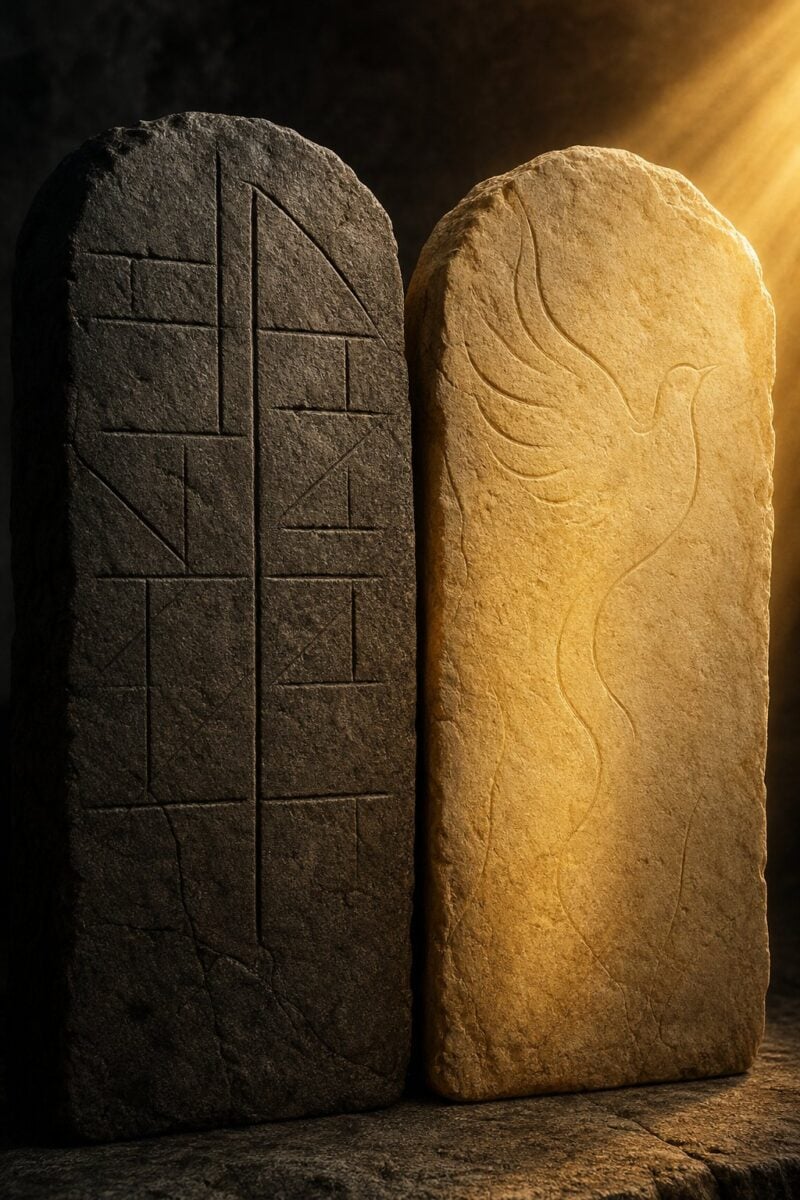
One of Luther’s greatest gifts to the church was his insistence on properly distinguishing Law and Gospel. In Lutheran teaching, the Law has three uses. It serves as a curb, restraining sin in society. It serves as a mirror, revealing human sinfulness to the individual conscience. And, according to some Lutheran traditions, it serves as a guide for the Christian life.
But the Law can never save. It can only condemn. The Gospel alone announces what God has done in Christ to rescue condemned sinners. Grace is not the Law plus mercy. Grace is something altogether different. It is God acting in freedom to declare sinners righteous on the basis of Christ’s life, death, and resurrection.
Lutheran preaching is built on this distinction. A Lutheran sermon typically opens up the weight of the Law before turning to the relief of the Gospel. The goal is not to terrify people into obedience. The goal is to drive people out of self-reliance and into the arms of a Savior who has already accomplished everything needed.
“Stand fast therefore in the liberty by which Christ has made us free, and do not be entangled again with a yoke of bondage.” — Galatians 5:1 (NKJV)
What About Confessions and Creeds?

Lutheranism is a confessional tradition. That means Lutheran doctrine is not summarized only in the Bible but in a collection of documents called the Book of Concord, published in 1580. These documents, which include the Augsburg Confession, Luther’s two Catechisms, and several other texts, are understood as faithful summaries of biblical teaching. For the LCMS, these confessions carry significant doctrinal weight. For the ELCA, they are treated more as historical documents than as binding standards.
Lutherans also affirm the three Ecumenical Creeds: the Apostles’ Creed, the Nicene Creed, and the Athanasian Creed. This places them solidly within the stream of historic orthodox Christianity on the foundational questions of who God is and who Jesus Christ is.
Major Lutheran Denominations in America

The two largest Lutheran bodies in the United States have significant theological differences, and any honest treatment of Lutheran beliefs has to acknowledge that.
The Lutheran Church–Missouri Synod (LCMS), founded in 1847, holds a conservative theological stance emphasizing biblical inerrancy, confessional orthodoxy, and traditional Christian ethics. It maintains fellowship with other theologically conservative Lutheran bodies and does not allow women to serve as ordained pastors.
The Evangelical Lutheran Church in America (ELCA), formed in 1988, is the largest Lutheran denomination in the U.S. It has moved in a progressively liberal direction over the past few decades, ordaining women, affirming same-sex marriage, and adopting a range of positions that place it at odds with historic Christian teaching on sexuality, Scripture’s authority, and related matters.
These are not minor differences of emphasis. They represent a genuine theological fork in the road, and Evangelical Christians who are getting to know a Lutheran friend or neighbor would do well to ask which tradition that person belongs to. The difference matters.
Where Evangelicals and Lutherans Agree

Despite real differences, there is substantial shared ground between Evangelical Christianity and confessional Lutheranism.
Both affirm the full authority of Scripture. Both affirm that salvation comes by grace through faith in Jesus Christ alone. Both reject any teaching that human beings can earn, merit, or contribute to their standing before God. Both hold to the Trinity, the Virgin Birth, the physical resurrection, and the bodily return of Christ. Both take the Great Commission seriously as the mission of the church.
On these essentials, Lutherans who stand in the confessional tradition are brothers and sisters in Christ. The differences over sacramental theology and church governance are real, and they are worth understanding. But they do not place Lutheranism outside the bounds of historic Christianity.
If you want to go deeper on questions of grace, Scripture, and salvation, AnsweredFaith.com is committed to walking through these topics with you week by week. You’ll find resources on law and grace, faith and works, and the great themes of the Reformation throughout the site.
Where Differences Remain
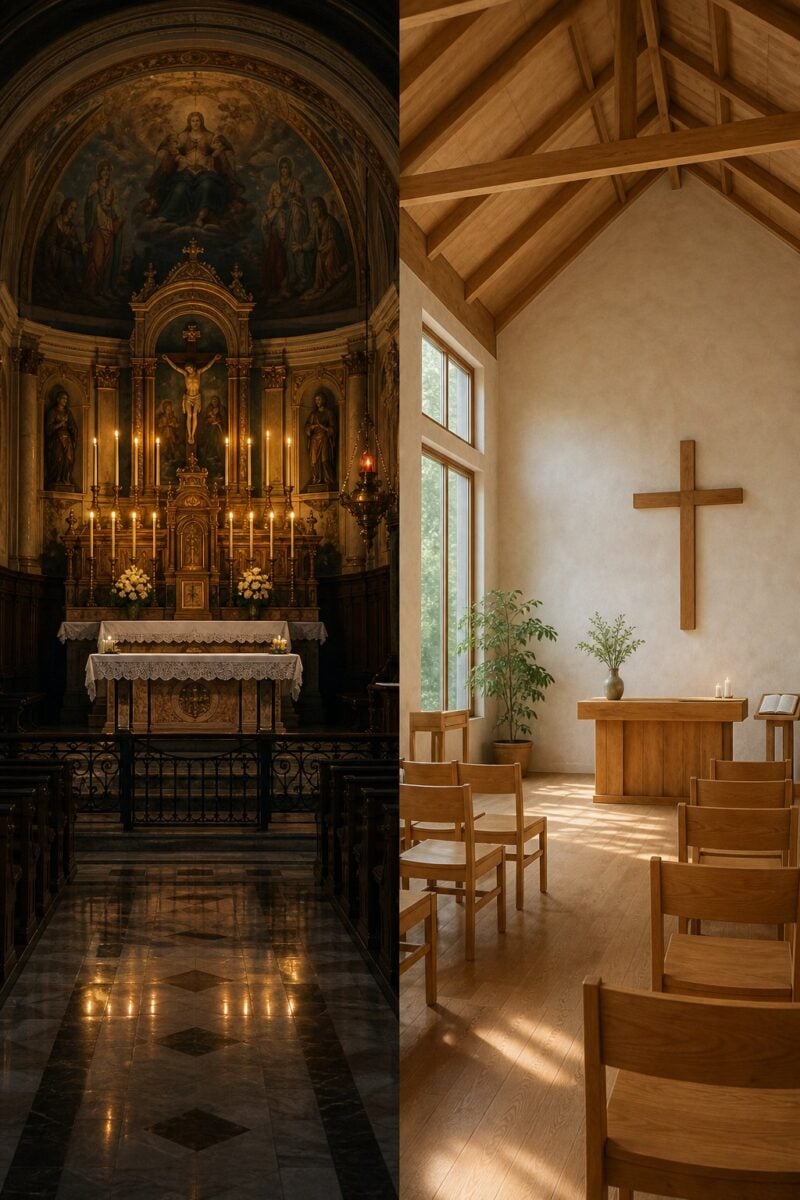
Evangelicals, particularly those in Baptist or Pentecostal traditions, will find real and unresolved differences with Lutheran sacramental theology. The Lutheran insistence that Baptism and Communion are means through which God actually delivers grace, rather than ordinances that symbolize what faith has already accomplished, is a genuine point of departure.
Lutherans also tend toward a liturgical worship style that can feel formal compared to the freer worship Evangelicals are accustomed to. For a Pentecostal like me, the absence of emphasis on the ongoing work of the Holy Spirit, spiritual gifts, and the charismatic dimension of Christian life is a real gap. The Lutheran tradition has a rich theology of Word and Sacrament but has often been cautious about the experiential, supernatural dimensions of the Spirit’s present-tense activity.
On questions of election and salvation, Lutheran theology affirms that those predestined to salvation will not be lost. But it also teaches that a believer can fall away from faith. This places Lutheranism in a different position than the Evangelical doctrine of eternal security and the believer’s assurance.
A Word About Martin Luther Himself
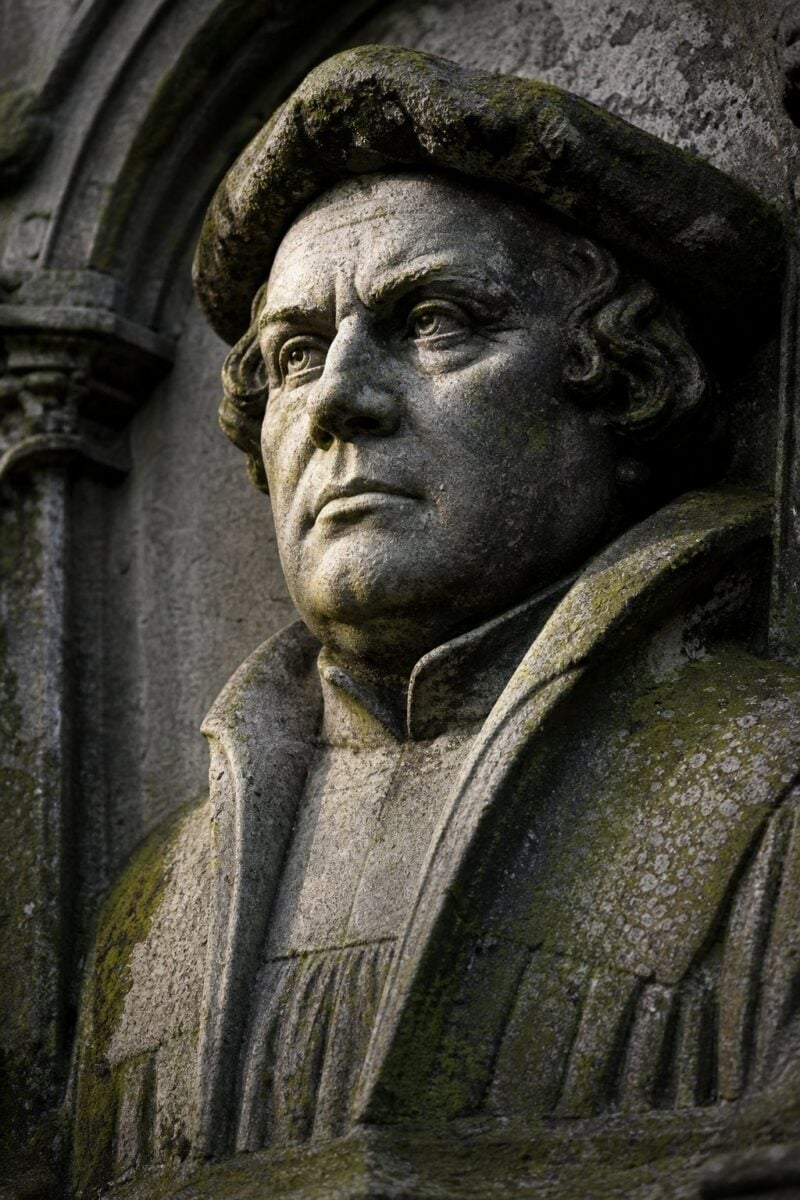
Luther was no saint in the ordinary sense. He was brilliant, combative, profoundly courageous, and capable of great ugliness. His later writings about Jewish people were morally appalling and have rightly been condemned by Lutheran bodies in our time. He understood the grace of God with breathtaking clarity and yet failed to extend that grace to others on many occasions.
His story is a reminder that God works through imperfect instruments. The doctrines Luther recovered, justification by faith, the authority of Scripture, the priesthood of all believers, remain among the most important contributions any single person has made to the history of the church. Flaws and all, the man changed the world.
“For it is by grace you have been saved, through faith, and this is not from yourselves, it is the gift of God.” — Ephesians 2:8 (NKJV)
What This Means for You

If you have a Lutheran in your life, whether a family member, a neighbor, a coworker, or a friend, understanding what they believe helps you love them better and converse with them more honestly. If you’re exploring Lutheranism yourself, it’s worth knowing which tradition you’re engaging. Confessional Lutheranism and progressive Lutheranism are not the same thing, and the differences have real weight.
Most of all, the Reformation story is your story too. The recovery of grace alone, faith alone, and Scripture alone belongs to the whole church. These truths were not invented in the sixteenth century. They were recovered from the New Testament, where they had been waiting all along.
Stay rooted in Scripture. Hold grace tightly. And keep asking the questions that matter most.
Take the Next Step
If this article opened doors for you, here are a few things you can do:
- Explore the grace articles at AnsweredFaith.com to go deeper on what the Bible actually teaches about God’s unearned favor.
- Read through our study on faith and works to understand how Scripture holds those two realities together.
- Check out the law vs. grace article, which wrestles with the same distinction Luther made central to his theology.
- Download a Bible study on grace to go deeper on this transformative topic.
Resources
- Lutheran Church–Missouri Synod: What We Believe
- The Book of Concord Online
- GotQuestions.org: What is the Lutheran Church?
- Christianity.com: 15 Facts About Lutheran Beliefs
- ELCA: What We Believe
Pastor Duke Taber has served in ministry for over thirty years and is the founder of AnsweredFaith.com. He writes from a Pentecostal/Charismatic perspective with a deep love for the whole body of Christ.
Related Posts

What Is the Methodist Church? A Biblical Look at Methodism's History, Beliefs, and Divisions
Last updated: June 2026 By Pastor Duke Taber If you have ever driven past a United Methodist Church, heard someone mention the Global Methodist Church, or…
 Jun 27, 2026
What Is a Baptist Church?
Last updated: June 2026 By Pastor Duke Taber Maybe a friend invited you to one. Maybe you drove past the building a hundred times and finally…
Jun 25, 2026
What Is the Roman Catholic Church?
Last updated: June 2026 By Pastor Duke Taber Almost everyone has a Catholic somewhere in their story. A grandmother who prayed the rosary at the kitchen…
Jun 24, 2026
Catholic vs Protestant: What's the Difference?
Last updated: June 2026 By Pastor Duke Taber Maybe a coworker invited you to Mass and you sat there unsure when to stand or kneel. Maybe…
Jun 26, 2026


 By
By


