

Larry Norman: The Father of Christian Rock Music

Larry Norman, widely regarded as the “Father of Christian Rock,” revolutionized both the Christian and music worlds with his bold fusion of faith and rock ‘n’ roll. Born on April 8, 1947, in Corpus Christi, Texas, Norman grew up during a time when traditional church music dominated Christian worship. However, his innovative approach to faith-based music carved a path for countless artists who sought to blend their spiritual message with modern sound.
Norman’s career began in the 1960s as part of the rock band People!, which scored a hit with their song “I Love You” in 1968. Despite their success, Norman felt called to use his talents for a higher purpose. Leaving the band, he embarked on a solo career that would challenge conventions and spark conversations in both religious and secular circles.
In 1969, Norman released his debut solo album, Upon This Rock. Often considered the first Christian rock album, it broke barriers with its honest lyrics and gritty sound. Songs like “The Last Supper” and “I Wish We’d All Been Ready” addressed themes of salvation, social justice, and the urgency of Christ’s return. The album was controversial, with some church leaders decrying its rock influences as unholy. But for many, it marked the beginning of a movement that made Christianity accessible to a younger, countercultural audience.
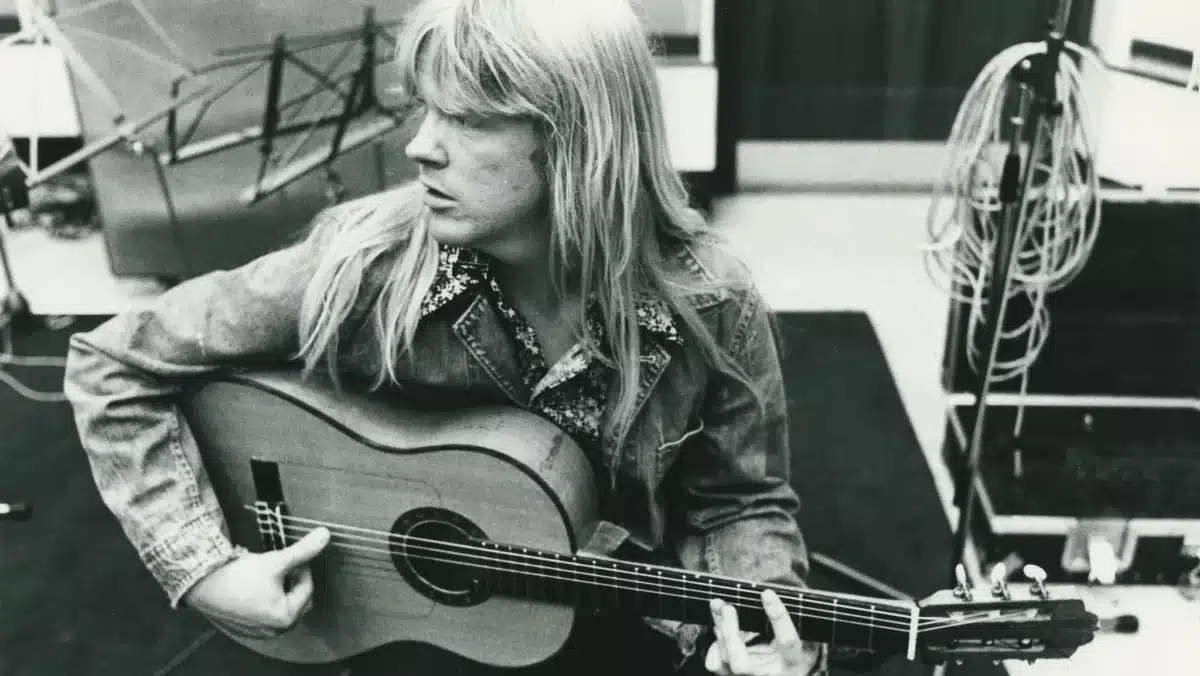
Norman’s 1972 album Only Visiting This Planet is often hailed as his masterpiece. Featuring tracks like “Why Should the Devil Have All the Good Music?” and “The Outlaw,” it showcased his knack for combining theological depth with cultural critique. Rolling Stone included the album in its list of the “500 Greatest Albums of All Time,” underscoring Norman’s ability to transcend the boundaries of Christian music.
Despite his influence, Norman’s career was not without struggles. His willingness to critique both the church and society often left him isolated. He faced pushback from traditionalists who viewed rock music as incompatible with Christian worship, and he also navigated challenges within the burgeoning Christian music industry, which sometimes sought to soften his edgy message.

Norman’s personal life was marked by both triumphs and hardships. He suffered a serious head injury in a 1978 plane accident, which impacted his health for the rest of his life. Still, he continued to produce music and tour, remaining steadfast in his mission to share the gospel.
Larry Norman’s legacy lives on, not only in his music but also in the countless artists he inspired. From bands like DC Talk and Switchfoot to individual artists such as Keith Green and Amy Grant, Norman paved the way for a new era of Christian music. His influence extended beyond music to the broader cultural landscape, proving that faith could engage with contemporary art forms without losing its authenticity.
Norman passed away on February 24, 2008, leaving behind a body of work that continues to challenge and inspire. His life and music remind us that faith, when expressed with boldness and creativity, can break barriers and change hearts.
Randy Stonehill: A Pioneer of Christian Contemporary Music

Randy Stonehill, often called one of the founding fathers of Contemporary Christian Music (CCM), has been a defining figure in the genre for more than five decades. Known for his heartfelt lyrics, dynamic stage presence, and deep commitment to his faith, Stonehill has touched countless lives with his ability to weave the gospel into his music.
Born on March 12, 1952, in Stockton, California, Stonehill grew up with a love for music and a longing to find deeper meaning in life. His journey into Christian music began in the early 1970s, during the Jesus Movement—a spiritual revival that swept through the United States and drew young people to Christ in unprecedented numbers. It was during this time that Stonehill connected with Larry Norman, another pioneer of Christian rock, who played a pivotal role in launching his career.

Stonehill’s debut album, Born Twice, was released in 1971 and marked the beginning of his influence on the nascent Christian music scene. Recorded on a shoestring budget, the album displayed Stonehill’s raw talent and heartfelt faith. However, it was his 1976 album, Welcome to Paradise, produced by Larry Norman, that catapulted him to prominence. With songs like “King of Hearts” and “Lung Cancer,” the album combined poetic storytelling with a bold Christian message, setting a new standard for Christian rock.
Throughout his career, Stonehill has been known for his ability to balance humor and sincerity in his music. Tracks like “Shut De Do” showcase his playful side, while deeply introspective songs such as “I Thirst for You” reflect his spiritual depth. His concerts, characterized by a blend of lighthearted anecdotes and heartfelt worship, have endeared him to audiences around the world.
Stonehill’s influence extends far beyond his music. As a trailblazer in the CCM genre, he helped lay the foundation for a movement that gave Christian artists a platform to reach mainstream audiences. His collaborations with other artists, including Keith Green and Phil Keaggy, further solidified his role as a cornerstone of the Christian music industry.
Despite the successes, Stonehill’s journey has not been without challenges. Like many pioneers, he navigated the tension between artistic freedom and the expectations of a faith-based audience. Additionally, his personal life—including a divorce in the 1980s—brought moments of heartbreak. Yet through it all, Stonehill has remained steadfast in his faith, using his trials to inspire others.

Randy Stonehill’s contributions to Christian music have earned him numerous accolades, including induction into the Gospel Music Hall of Fame. But beyond the awards, his greatest legacy is the impact of his songs on generations of listeners. Whether through the joyous “Celebrate This Heartbeat” or the stirring “Until Your Love Broke Through,” his music continues to resonate with those seeking hope and truth.
Now in his seventies, Stonehill remains active, performing and creating music that points people to Christ. His life and career stand as a testament to the power of faith and creativity to change lives, leaving an indelible mark on the world of Christian music.
Keith Green: A Legacy of Radical Faith and Uncompromising Ministry
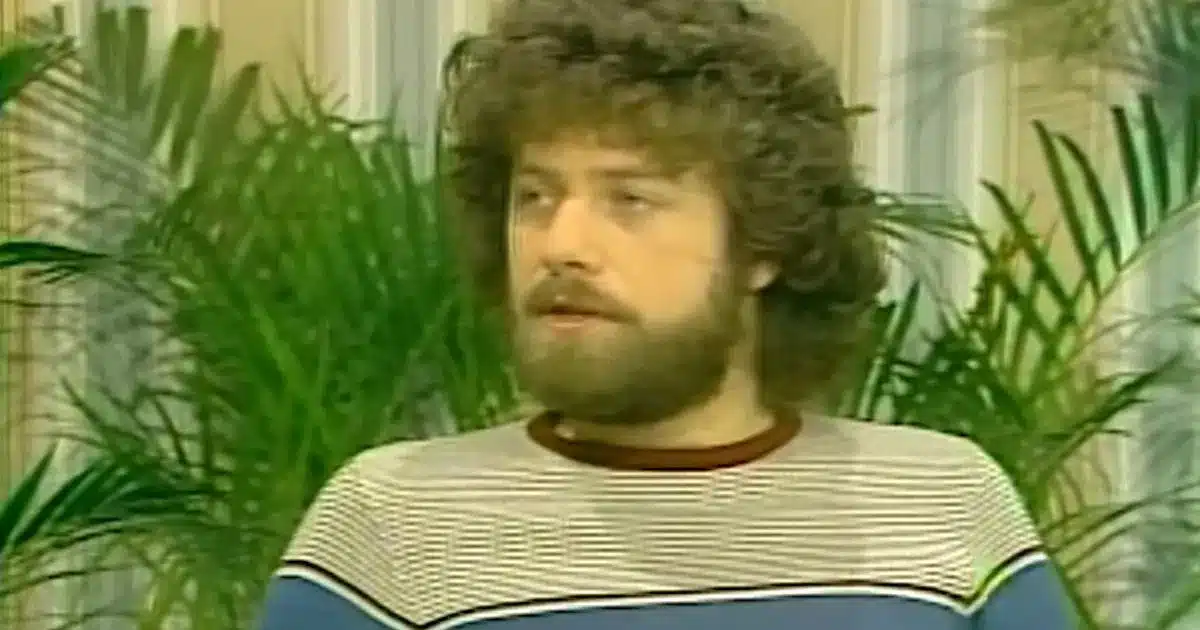
Keith Green remains one of the most influential and beloved figures in Contemporary Christian Music (CCM), remembered for his powerful voice, heartfelt piano-driven songs, and passionate devotion to God. Though his life was tragically cut short, Green’s music and ministry continue to inspire Christians around the world.
Born on October 21, 1953, in Sheepshead Bay, Brooklyn, New York, Keith Gordon Green was a child prodigy. At just 11 years old, he signed a contract with Decca Records, making him one of the youngest people to secure a major record deal. Initially pursuing a career in mainstream music, Green dreamed of stardom. However, by his late teens, he found himself disillusioned with the entertainment industry and searching for deeper meaning.

Green’s spiritual journey was as dynamic as his music. Raised in a home that explored multiple religions, he dabbled in Eastern mysticism and New Age practices before encountering the transformative message of the gospel. In 1975, he and his wife, Melody, committed their lives to Christ, setting them on a path of ministry that would revolutionize Christian music and discipleship.
In 1977, Green released his debut album, For Him Who Has Ears to Hear, under Sparrow Records. Featuring songs like “Your Love Broke Through” and “There Is a Redeemer,” the album highlighted his heartfelt lyrics and worshipful tone. His follow-up album, No Compromise (1978), solidified his reputation as a fiery voice in CCM, with tracks like “Make My Life a Prayer to You” and “Asleep in the Light,” which called Christians to a deeper commitment to their faith.
Keith Green’s music stood out not just for its quality but for its urgency. His songs were more than entertainment—they were a call to action. Whether addressing complacency, evangelism, or repentance, Green’s lyrics reflected his unwavering conviction that faith in Christ demanded radical obedience.

But Green’s influence extended far beyond his music. He and Melody founded Last Days Ministries in Lindale, Texas, which became a hub for evangelism, discipleship, and social justice. They opened their home to those in need, often housing dozens of people at a time, including recovering addicts, single mothers, and anyone searching for hope. Green also wrote thought-provoking articles and booklets challenging Christians to live out their faith with authenticity and sacrifice.
In keeping with his countercultural approach, Green often gave away his albums for free or sold them for whatever people could afford, believing that no one should be denied access to the gospel because of financial barriers.

Tragically, on July 28, 1982, Green died in a plane crash along with two of his young children and nine others. He was just 28 years old. The loss sent shockwaves through the Christian community, but his legacy lived on through his music, ministry, and the writings Melody published in his memory.
Today, Keith Green’s songs, including “Oh Lord, You’re Beautiful” and “Create in Me a Clean Heart,” continue to be sung in churches worldwide. His radical faith, uncompromising message, and heart for the lost remind believers that following Christ is a life of surrender and passion. Keith Green’s life, though brief, was a powerful testimony to the transformative power of the gospel.
2nd Chapter of Acts: Pioneers of Worship and Harmonious Ministry

The Second Chapter of Acts, one of the most influential groups in Contemporary Christian Music (CCM), brought a fresh sound to Christian worship through their intricate harmonies, heartfelt lyrics, and innovative compositions. Comprised of siblings Annie Herring, Nelly Greisen, and Matthew Ward, the group combined familial chemistry with a deep commitment to their faith, creating music that continues to resonate with audiences decades later.
The group’s story began in the early 1970s, born out of a time of personal tragedy and spiritual renewal. After the untimely death of Annie and Nelly’s parents, their younger brother Matthew came to live with Annie and her husband, Buck. In the midst of grief, the siblings found solace and purpose in music, using their unique blend of voices to worship God and encourage one another. What began as informal family singing soon blossomed into a ministry that would touch the lives of millions.

The Second Chapter of Acts officially debuted in 1973, with their early performances marked by a raw, unpolished sincerity that drew audiences into worship. Their breakthrough came through a partnership with Barry McGuire, a former folk-rock star who had become a Christian. Touring with McGuire allowed the group to gain exposure and refine their sound, eventually leading to their first album, With Footnotes (1974).
With Footnotes introduced the world to the group’s distinctive sound, anchored by Annie’s songwriting and the siblings’ seamless vocal blend. The album included their hit “Easter Song,” which remains a timeless anthem of resurrection and hope. Its infectious energy and celebratory lyrics cemented the Second Chapter of Acts as a leading voice in the emerging CCM genre.
Over the next decade, the group released a series of influential albums, including In the Volume of the Book (1975), Roar of Love (1980)—a concept album inspired by The Chronicles of Narnia by C.S. Lewis—and Hymns (1986), which reimagined classic church hymns with contemporary arrangements. Their music was marked by a deep theological richness, drawing listeners into worship while challenging them to grow in their faith.

One of the hallmarks of the Second Chapter of Acts was their ability to bring scripture to life through music. Many of their songs were inspired by direct passages from the Bible, giving their work a timeless quality that resonated across denominations. Their concerts were not just performances but worship experiences, characterized by an atmosphere of reverence and joy.
The group’s impact extended beyond their music. As pioneers in CCM, they helped pave the way for Christian artists seeking to merge their faith with modern musical styles. Their commitment to excellence and authenticity set a high standard for the genre, inspiring countless musicians to follow in their footsteps.
In 1988, the Second Chapter of Acts retired as a group, closing a chapter on a remarkable musical journey. However, their legacy continues to thrive. Annie Herring pursued a solo career, while Matthew Ward’s powerful tenor voice remains celebrated through his own recordings and collaborations.
The Second Chapter of Acts’ legacy is one of faith, family, and worship. Their music, rooted in scripture and delivered with unmatched vocal harmony, continues to inspire worshippers and musicians alike, serving as a reminder of the transformative power of praise.
Love Song: The Band That Ushered in Christian Rock

Love Song holds a special place in the history of Christian music as one of the pioneering bands of the Jesus Movement in the 1970s. With their heartfelt lyrics, acoustic rock sound, and message of transformation through Jesus Christ, the band helped shape what would become the Contemporary Christian Music (CCM) genre. Their music resonated deeply with the countercultural youth of the time, offering a spiritual alternative to the mainstream rock of the era.
The story of Love Song began in 1970, when Chuck Girard, Tommy Coomes, Jay Truax, and Fred Field formed the band after coming to faith in Jesus Christ. The group emerged from Southern California’s burgeoning Jesus Movement, a revival that drew hippies and young people to Christ in droves. Initially, they had no aspirations beyond making music that reflected their newfound faith, but their talent and sincerity quickly drew attention.

Love Song’s self-titled debut album, released in 1972, became a landmark record in Christian music. Songs like “Little Country Church,” “Welcome Back,” and “Two Hands” blended folk, pop, and rock influences with a clear gospel message. The album’s sound was accessible to mainstream audiences, but its lyrics were unmistakably focused on Christ, making it a bridge between secular and sacred music. The simplicity and earnestness of their songs spoke directly to the hearts of those searching for purpose and hope in the turbulent 1970s.
What set Love Song apart was their ability to connect with the counterculture of the time. Their music didn’t shy away from contemporary sounds or themes, yet it offered an uncompromising message of salvation. This approach made them relatable to a generation disillusioned with materialism, war, and traditional religion, offering the love and grace of Jesus as the answer.
Love Song’s concerts were more than musical events—they were spiritual experiences. Many attendees described their performances as worship services, with the band often sharing personal testimonies of how Christ had transformed their lives. This authenticity became one of their defining characteristics and a key to their success.
Following their debut, the band released their second album, Final Touch, in 1974. It featured more polished production while retaining their signature sound and heartfelt message. However, despite their success, Love Song disbanded soon after, with members feeling called to pursue individual ministries and other projects.

Though their time together as a band was relatively short, Love Song’s impact was profound. They laid the groundwork for the Christian rock movement, influencing countless artists, including Keith Green, Randy Stonehill, and the Second Chapter of Acts. Their music continues to resonate, with songs like “Little Country Church” serving as anthems of the Jesus Movement era.
In later years, the band reunited for occasional performances and tours, including a 2010 farewell tour that celebrated their enduring legacy. Their music remains a touchstone for fans of Christian rock and a reminder of the power of simplicity, sincerity, and a message centered on Jesus Christ.
Love Song’s contribution to Christian music extends beyond their albums and concerts—they were trailblazers who showed that faith and artistry could coexist, creating music that glorified God and spoke to the hearts of a searching generation.
Petra: The Pioneers of Christian Rock’s Arena Era

Petra, one of the most iconic bands in the history of Contemporary Christian Music (CCM), helped define and legitimize Christian rock. Known for their anthemic sound, bold lyrics, and electrifying stage presence, the band pushed the boundaries of what Christian music could be, carving a path for countless artists who followed.
The story of Petra (derived from the Greek word for “rock”) began in 1972 in Fort Wayne, Indiana. Founded by guitarist and songwriter Bob Hartman, the band initially struggled to find their place in a music landscape where rock was often viewed with suspicion by the church. Despite the challenges, Petra’s mission was clear: to use rock music as a tool to share the gospel and reach a new generation.
Petra’s early years were marked by experimentation and growth. Their self-titled debut album, released in 1974, leaned heavily on southern rock influences and showcased their evangelistic heart with tracks like “Backslidin’ Blues.” However, it wasn’t until the late 1970s and early 1980s that the band hit their stride. With the addition of Greg X. Volz as lead vocalist, Petra began to refine their sound, incorporating elements of arena rock reminiscent of bands like Journey and Styx.

Their 1981 album Never Say Die marked a turning point, signaling Petra’s transition into a more polished, high-energy style. Hits like “The Coloring Song” and “For Annie” demonstrated their ability to address deep spiritual truths with both poignancy and accessibility. This was followed by More Power to Ya (1982) and Not of This World (1983), which solidified Petra as a force in Christian rock. These albums combined soaring melodies, scripture-based lyrics, and state-of-the-art production, appealing to both Christian and secular audiences.
By the mid-1980s, Petra had become a dominant force in CCM. With John Schlitt taking over as lead vocalist in 1986, the band entered a new era of success. Albums like This Means War! (1987) and Beyond Belief (1990) showcased a harder rock edge while maintaining their lyrical focus on spiritual warfare, discipleship, and God’s faithfulness. Beyond Belief earned the band a Grammy Award for Best Rock Gospel Album and included hits like “Creed” and “Love.” Their live performances during this era became legendary, complete with pyrotechnics, elaborate stage setups, and an infectious energy that rivaled mainstream rock acts.
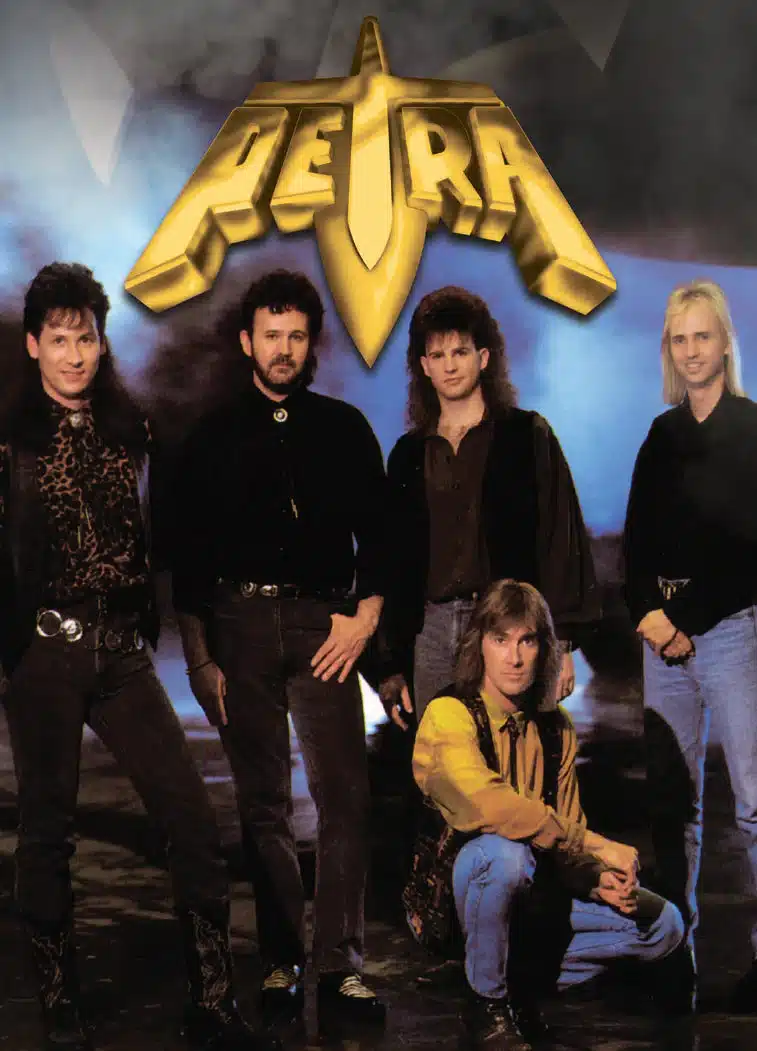
Petra’s influence extended beyond their music. They demonstrated that Christian artists could achieve professional excellence while staying true to their faith. Their willingness to embrace modern musical styles helped bridge the gap between the church and a generation that had been drawn to secular rock. In doing so, Petra inspired a wave of Christian rock bands, including Stryper, White Heart, and Audio Adrenaline.
The band continued to release music and tour throughout the 1990s and early 2000s, adapting their sound to changing trends. Though they officially retired in 2005, Petra has reunited for occasional performances, including their induction into the Gospel Music Hall of Fame in 2000.
Petra’s legacy is undeniable. With over 10 million albums sold, four Grammy Awards, and numerous Dove Awards, they remain one of the most successful and influential Christian rock bands of all time. Their boldness in proclaiming the gospel through rock music not only changed the face of Christian music but also demonstrated that faith and creativity could coexist in powerful, world-changing ways.
Phil Keaggy: A Guitar Virtuoso and Trailblazer in Christian Music

Phil Keaggy, widely regarded as one of the greatest guitarists of all time, has left an indelible mark on the world of music. Known for his extraordinary technical skill, innovative compositions, and deep Christian faith, Keaggy’s career has spanned more than five decades, earning him a devoted following among fans of both Christian and secular music.
Born on March 23, 1951, in Youngstown, Ohio, Keaggy began playing guitar as a young boy. Inspired by artists like The Beatles and Jimi Hendrix, he developed a unique style that blended rock, jazz, classical, and folk influences. In 1968, Keaggy co-founded the psychedelic rock band Glass Harp, which quickly gained a reputation for their electrifying live performances and Keaggy’s mesmerizing guitar solos. The band released three studio albums, and Keaggy’s talent as both a guitarist and a songwriter was evident from the start.
Despite the growing success of Glass Harp, Keaggy’s life was profoundly changed after a series of personal tragedies, including the death of his mother in a car accident. In 1970, he committed his life to Christ, a decision that would shape the rest of his career. Feeling called to create music that reflected his faith, Keaggy left Glass Harp in 1972 to pursue a solo career in Christian music.

Keaggy’s first solo album, What a Day (1973), was recorded in just a week and showcased his heartfelt lyrics and acoustic guitar mastery. The album resonated deeply with listeners, marking the beginning of his influence in the emerging Contemporary Christian Music (CCM) scene. Over the years, Keaggy’s ability to combine virtuosic guitar playing with spiritually rich themes has made him a cornerstone of the genre.
One of Keaggy’s most celebrated works, The Master and the Musician (1978), is an instrumental album that highlights his technical brilliance and creativity. This groundbreaking project broke new ground for Christian music, demonstrating that instrumental compositions could be both artistically profound and spiritually uplifting. The album remains a fan favorite and a testament to Keaggy’s unparalleled talent.
Throughout his career, Keaggy has been known for his versatility, seamlessly transitioning between acoustic fingerpicking, electric rock riffs, and complex looping techniques. His live performances, often featuring improvisation and his innovative use of loop pedals, have earned him accolades from fellow musicians and audiences alike. Despite his technical prowess, Keaggy remains humble, often deflecting praise and pointing to his faith as the source of his inspiration.
Keaggy’s discography spans more than 50 albums, ranging from worship music to instrumental masterpieces to collaborations with other artists. Albums like Ph’lip Side (1980), Town to Town (1981), and Beyond Nature (1991) showcase his ability to explore diverse musical styles while maintaining a consistent focus on his faith.

In addition to his solo work, Keaggy has collaborated with some of the most respected names in music, including Randy Stonehill, Michael Card, and Glass Harp bandmates. He has also been a mentor to countless musicians, inspiring generations of artists to pursue excellence in their craft while staying true to their beliefs.
Keaggy has received numerous accolades, including multiple Dove Awards and Grammy nominations, but his legacy is far greater than awards. His music continues to uplift and challenge listeners, blending artistry with a deep spiritual message that transcends genres and generations.

Phil Keaggy remains an enduring figure in both Christian and mainstream music. His dedication to his craft, humility, and faith have made him not only a legendary guitarist but also a role model for musicians seeking to honor God through their art.
Sweet Comfort Band: Pioneers of Christian Jazz Rock and Fusion

Sweet Comfort Band (SCB), a groundbreaking force in Contemporary Christian Music (CCM), brought a fresh, polished sound to the genre in the late 1970s and early 1980s. Known for their seamless blend of rock, jazz, and funk influences, the band captivated audiences with their musical sophistication and uplifting message of hope and faith.
Formed in Riverside, California, in 1973, Sweet Comfort Band began as a local act playing small church venues. The founding members—Bryan Duncan (vocals and keyboards), Randy Thomas (guitar), Kevin Thomson (bass), and Rick Thomson (drums)—shared a passion for creating music that would glorify God while appealing to a broad audience. Their style drew heavily from mainstream influences like Steely Dan, Chicago, and Earth, Wind & Fire, making them one of the first Christian bands to venture into jazz fusion and pop-rock territory.
After years of honing their craft, SCB gained national recognition with the release of their self-titled debut album in 1977 under Maranatha! Music. The album showcased their signature sound: tight rhythms, intricate guitar work, smooth vocals, and thought-provoking lyrics. Tracks like “Childish Things” and “It’s So Fine (Soul Tune Boogie)” revealed their ability to combine soulful grooves with spiritual themes, resonating with audiences seeking an alternative to secular music.

Their second album, Breakin’ the Ice (1978), further solidified their reputation as innovators in CCM. Songs like “Got to Believe” and “Good Feelin’” displayed a more polished production and highlighted Bryan Duncan’s powerful, emotive vocals. As their popularity grew, so did their influence, drawing fans from both Christian and mainstream circles.
Throughout the 1980s, SCB released a series of critically acclaimed albums, including Hearts of Fire (1979), Cutting Edge (1982), and Perfect Timing (1984). Their music evolved with the times, incorporating elements of arena rock and pop, while maintaining their jazz-infused style. Hits like “Feel Like Singin’” and “You Led Me to Believe” showcased their versatility and ability to craft memorable hooks with a meaningful message.
The band’s lyrics often focused on themes of God’s love, redemption, and personal transformation, delivered with a sense of sincerity that resonated deeply with listeners. They were also unafraid to tackle challenging topics, offering a message of encouragement and hope to those struggling with faith or life’s difficulties.

Despite their success, Sweet Comfort Band faced challenges as the CCM industry grew and shifted toward more commercialized sounds. In 1984, the band decided to disband, with each member pursuing individual projects. Bryan Duncan went on to have a successful solo career, while Randy Thomas co-wrote the Grammy-winning crossover hit “Butterfly Kisses.”
After decades apart, Sweet Comfort Band reunited in 2010, releasing The Waiting is Over in 2013. The album was a celebration of their legacy, blending their classic sound with a modern edge. It served as a reminder of the enduring appeal of their music and their commitment to spreading the gospel through artistry.

Sweet Comfort Band’s legacy lies in their ability to break musical boundaries within Christian music. Their sophisticated sound and willingness to embrace diverse genres helped pave the way for future artists who sought to merge faith with creative expression. To this day, SCB remains a symbol of innovation and excellence in Christian music, inspiring generations to approach their faith with joy, authenticity, and artistry.
Resurrection Band: The Trailblazers of Christian Hard Rock

Resurrection Band, often referred to as Rez Band or simply Rez, is one of the most iconic and influential bands in Christian rock history. Known for their hard-hitting sound, socially conscious lyrics, and unwavering dedication to the gospel, Rez Band emerged as pioneers in bringing rock and blues-infused hard rock into the Christian music scene during a time when such styles were controversial in church circles.
The band was founded in 1972 as an outreach of Jesus People USA (JPUSA), a Christian commune and ministry based in Chicago. Led by Glenn Kaiser (vocals, guitar) and his wife, Wendi Kaiser (vocals), the band was created with the goal of reaching disaffected youth with the message of Jesus through music. What began as a small local effort grew into a movement that inspired countless fans and artists.

Rez Band’s debut album, Awaiting Your Reply, was released in 1978 on the independent Christian label Star Song Records. The album immediately stood out for its gritty, guitar-driven rock sound, which drew comparisons to Led Zeppelin and Aerosmith, and its deeply honest lyrics about faith, struggle, and social justice. Songs like “Broken Promises” and “Light Shine” tackled themes of redemption and hope with an intensity rarely heard in Christian music at the time.
The band’s follow-up albums, including Rainbow’s End (1979) and Colours (1980), further solidified their reputation as trailblazers. Rez Band became known for their willingness to address topics often avoided in Christian music, such as homelessness, addiction, and racial inequality. Their song “Afrikaans” from Between Heaven ‘N Hell (1985) was a bold critique of apartheid in South Africa, reflecting their commitment to speaking out on global injustices.

What set Rez Band apart was not only their sound—a blend of classic rock, blues, and heavy metal—but also their authenticity. Their live shows were legendary, featuring high-energy performances that often included testimonies and gospel presentations. Unlike many mainstream rock bands, Rez Band viewed their music as a tool for ministry rather than simply entertainment. They often performed in unconventional venues like prisons and inner-city outreach events, reaching audiences that might otherwise never step into a church.
Throughout the 1980s and 1990s, Rez Band continued to release albums that pushed boundaries in Christian music. Records like Hostage (1984), DMZ (1988), and Lament (1995) showcased their evolving sound and maturity as artists. Songs such as “Silence Screams” and “Innocent Blood” combined raw emotional power with profound spiritual insights, resonating deeply with fans.
Despite their success, the Kaisers and the rest of the band remained deeply rooted in their ministry with Jesus People USA. Proceeds from their albums and tours were often funneled back into JPUSA’s outreach programs, which included shelters for the homeless and support for the marginalized.
Resurrection Band officially disbanded in the early 2000s, with the members continuing to focus on ministry and other musical projects. Glenn Kaiser, in particular, has become a respected figure in blues and worship music, releasing solo albums that reflect his deep faith and passion for social justice.

The legacy of Resurrection Band is undeniable. They were not just musicians but missionaries, using their art to challenge, inspire, and minister to people inside and outside the church. Their boldness in addressing difficult topics and their dedication to musical excellence paved the way for heavier Christian bands like Stryper, Petra, and Disciple.
To this day, Resurrection Band’s music remains a testament to the transformative power of rock and roll when combined with an uncompromising message of hope, redemption, and justice.
DeGarmo & Key: Trailblazers of Christian Rock

At the crossroads of faith and rock ‘n’ roll, few names shine as brightly as DeGarmo & Key. Formed in 1978 by childhood friends Eddie DeGarmo and Dana Key, the duo became pioneers in the burgeoning genre of Christian rock, boldly blending modern music with a timeless message of faith. Their innovative sound and unapologetic evangelism opened doors for countless artists to follow.
Early Days and Formation
Eddie DeGarmo and Dana Key grew up together in Memphis, Tennessee, the home of blues and rock legends like Elvis Presley. Influenced by their Southern roots and the classic rock sound of the 1960s and ‘70s, the duo started playing music in their teenage years. After both experienced a personal encounter with Christ, they felt compelled to use their musical talents for ministry.
In 1978, they officially formed DeGarmo & Key and released their debut album, This Time Thru. The record showcased their Southern rock influences while weaving in lyrics that boldly proclaimed the gospel. It was a groundbreaking moment, as Christian rock was still finding its footing in a music industry often skeptical of overtly religious themes.
Musical Innovation and Message

DeGarmo & Key quickly gained a reputation for their polished sound and deeply spiritual lyrics. Their second album, Straight On (1979), featured more refined production and anthemic tracks that resonated with both Christian and secular audiences. Songs like “Long Distance Runner” and “Jericho” spoke to perseverance and faith, themes that struck a chord during the cultural and spiritual shifts of the late 1970s.
The duo was also known for their innovative use of technology in music. They were among the first Christian artists to incorporate synthesizers into their arrangements, giving their music a modern edge while remaining true to their Southern roots.
Breaking Barriers

While DeGarmo & Key gained traction within the Christian music community, they were also one of the few Christian rock acts to cross over into the mainstream. Their music videos, including the iconic “Six, Six, Six,” became some of the first Christian content to air on MTV in the early 1980s. The video’s bold message about spiritual warfare and salvation was controversial but undeniably impactful, sparking conversations far beyond the Christian music scene.
Impact on Christian Music
DeGarmo & Key didn’t just play music—they paved the way for future generations of Christian rock artists. Their willingness to tackle real-world issues, from spiritual struggles to social justice, set a precedent for authenticity in Christian music. They were also tireless advocates for the role of contemporary music in ministry, often challenging the church to embrace modern forms of worship and outreach.
In addition to their music, Eddie DeGarmo and Dana Key were mentors to younger artists and influential figures in the Christian music industry. DeGarmo later co-founded ForeFront Records, a label that would launch the careers of artists like dc Talk and Audio Adrenaline.
A Lasting Legacy

Although Dana Key passed away in 2010, the music and ministry of DeGarmo & Key continue to inspire. Their albums, from the groundbreaking This Time Thru to later classics like Mission of Mercy (1983), remain staples of Christian rock history.
Today, their legacy is celebrated as one of courage and innovation. At a time when Christian rock was met with skepticism both inside and outside the church, DeGarmo & Key boldly declared that faith and rock ‘n’ roll could coexist—and thrive.
As Christian music continues to evolve, the trailblazing efforts of Eddie DeGarmo and Dana Key remind us that music has the power not only to entertain but also to transform lives.
How Did Christian Rockers of the 1970s Express Their Faith and New Identity in God’s Family?
Christian rockers of the 1970s expressed their faith through bold lyrics, passionate performances, and a fusion of rock with gospel themes. They challenged traditional norms by embracing your identity in god’s family, using music to reach a generation seeking deeper spiritual connections while maintaining their musical authenticity and evangelistic mission.
Share On Pinterest!


Test Your Knowledge!
Answer all 10 questions, then submit to see your score.
Related Posts

Ella Langley Goes Viral with Passionate Christian Faith Comments
Last updated: June 2026 In an era where celebrity endorsements of faith can be rare, country singer Ella Langley has captured significant attention, going viral for…
 Jun 11, 2026
Encouraging Trends in Global Christianity: June 2026 Update
Last updated: June 2026 While headlines often focus on challenges facing Christianity, new reports highlight encouraging trends in global Christian adherence and engagement. The global Christian…
Jun 10, 2026
Why Every Christian Needs to Do a Dedicated Study on Love At Least Once
Last updated: May 2026 Most Christians assume they understand love — but have never seriously studied what the Bible actually teaches about it. Here's why a dedicated study changes everything.
May 19, 2026
Why Is Faith So Important in Christianity?
Last updated: May 2026 Discover why faith is the foundation of the Christian life — how it connects you to salvation, shapes how you see the world, and transforms your relationship with God every day.
May 18, 2026


 By
By


