
Starting a small group ministry is one of the most rewarding ways to build deeper connections within a church community. It creates space for people to grow in their faith, share their hearts, and support one another in powerful ways.
I’ve seen how these groups can ignite spiritual growth and foster genuine relationships that go beyond Sunday services. With the right foundation and guidance, your small group can become a life-changing environment where God moves in incredible ways.
Understanding Small Group Ministry
Small group ministry serves as a vital part of building strong, faith-centered communities. It creates opportunities for personal growth and spiritual connection among believers.
What Is a Small Group Ministry?
A small group ministry is a gathering of individuals focused on learning, sharing, and growing in their walk with God. These groups meet regularly to study Scripture, pray together, and support one another.
The purpose centers around discipleship and fellowship. In smaller settings, members can openly discuss their faith journey without fear or judgment. This setting fosters deeper relationships and accountability.
Scriptural foundations emphasize the importance of community. Acts 2:46-47 (NKJV) says, “So continuing daily with one accord in the temple, and breaking bread from house to house…praising God and having favor with all the people.” These gatherings reflect biblical principles seen in early church practices.
Small groups often cater to specific needs or interests within the congregation—for example, youth Bible studies or marriage-focused ministries. Clear goals help align activities with spiritual growth objectives.
Benefits of Starting a Small Group Ministry
Starting small groups brings significant benefits to both individuals and the broader church body. It allows for personalized discipleship while strengthening overall unity in Christ.
- Spiritual Growth: Members engage deeply with Scripture through discussions and application.
- Strong Relationships: Groups create bonds that encourage trust and mutual support.
- Prayer Support: Regular prayer improves collective reliance on God’s guidance.
- Leadership Development: Participants develop skills to lead future ministries effectively.
- Evangelism Opportunities: Inviting others introduces non-believers to Christ’s love.
These benefits align with Proverbs 27:17 (NKJV), “As iron sharpens iron, so a man sharpens the countenance of his friend.” Through shared experiences, each person grows spiritually while contributing to others’ faith journeys.
Structured planning ensures these benefits materialize consistently over time within your church community.
Planning Your Small Group Ministry
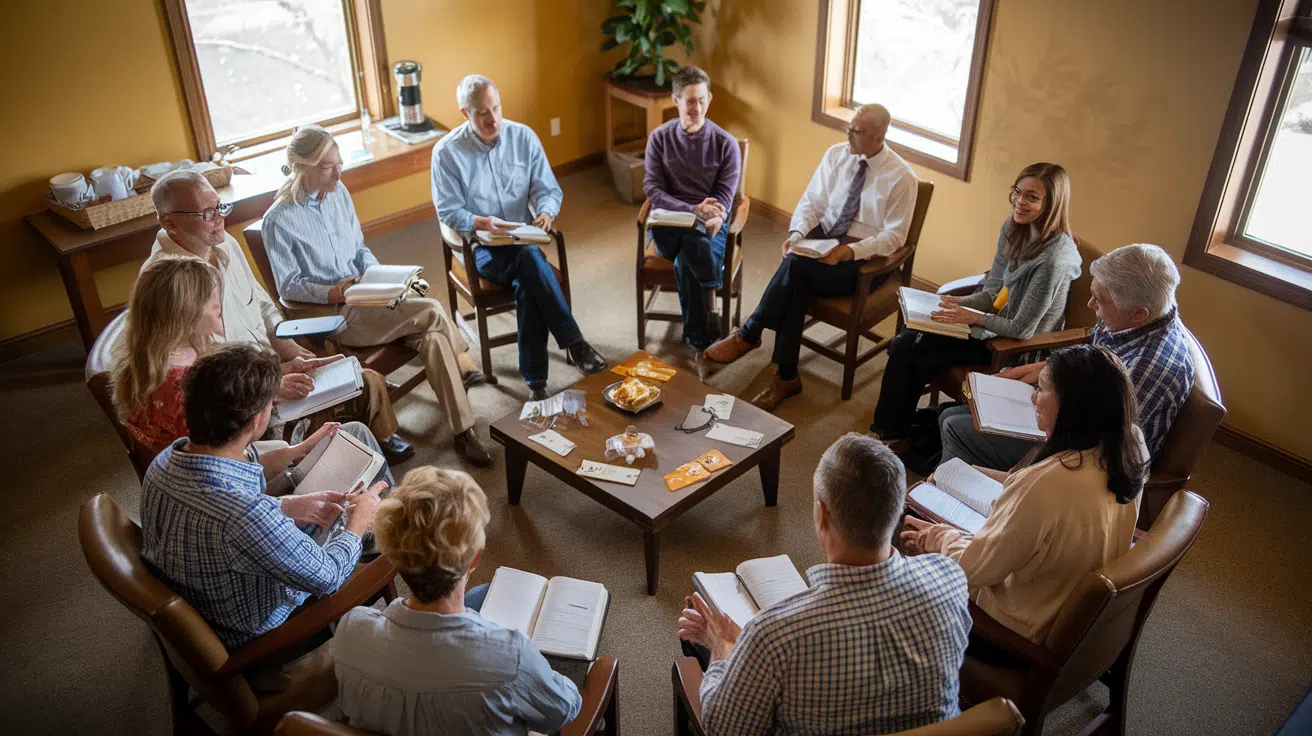
Organizing a small group ministry requires intentional planning. Clear goals, an understanding of the audience, and practical resources ensure success.
Defining Your Purpose and Goals
Establishing the purpose clarifies the vision for your ministry. Decide whether the focus is discipleship, fellowship, outreach, or prayer.
Set measurable goals to track progress. For example: increasing group members’ biblical knowledge or deepening relationships within six months. Write these goals down for accountability.
Pray consistently about God’s direction for this ministry. Proverbs 16:3 (NKJV) states, “Commit your works to the Lord, and your thoughts will be established.”
Create a mission statement to guide decision-making. A clear mission aligns all efforts with biblical principles and church objectives.
Identifying Your Target Audience
Understanding who you aim to serve shapes every aspect of planning. Define if groups serve young adults, families with children, singles, or mixed ages.
Survey church members to identify their needs and interests. Ask questions like preferred meeting times or spiritual topics they want to explore.
Focus on specific demographics when promoting groups. This ensures relevance for attendees while maintaining inclusivity where possible.
Evaluate community outreach opportunities beyond existing church members by targeting neighbors with invitations or events centered on shared values.
Choosing a Format and Structure
Select a format that suits participants’ needs best—home-based meetings foster intimacy; online gatherings increase accessibility; hybrid models offer flexibility.
Decide on session frequency (weekly or bi-weekly) based on availability and commitment levels of attendees while ensuring consistency in scheduling.
Structure meetings with key segments:
- Time in worship.
- Scripture discussions.
- Sharing personal testimonies.
- Closing prayer requests/updates from participants.
Reference Acts 2:42 (NKJV): “And they continued steadfastly in the apostles’ doctrine and fellowship.”
Setting a Budget and Gathering Resources
Determine financial requirements early during planning:
| Expense | Examples |
|---|---|
| Study Materials | Devotionals/Bibles |
| Hospitality | Snacks/Coffee |
| Technology | Streaming tools/equipment |
Gather free resources through partnerships with local organizations offering faith-based materials like devotionals or study guides tailored toward spiritual growth themes.
Materials and Tools Needed

Preparation ensures effective small group ministry. Gathering the right materials and tools creates a solid foundation for success.
Essential Materials for Small Group Ministry
Biblical resources guide spiritual discussions. A study Bible, like the NKJV, is key. For example, “All Scripture is given by inspiration of God” (2 Timothy 3:16). Include study guides or devotionals that align with your group’s focus.
Printed materials support structured learning. Handouts, worksheets, or journals encourage engagement during meetings. These help members reflect on lessons throughout the week.
Comfortable meeting spaces enhance participation. Provide seating that promotes interaction and ensures accessibility for all participants.
Supplies create an inviting atmosphere. Use items such as notepads, pens, name tags, or even refreshments to foster connection among attendees.
Tools for Organization and Communication
Digital tools simplify scheduling and updates. Apps like Google Calendar or Planning Center streamline event organization and attendance tracking.
Messaging platforms improve communication. Use WhatsApp or GroupMe to share prayer requests or reminders about upcoming sessions quickly.
Presentation aids make content engaging. Equip the space with a whiteboard, projector, or TV screen if visual illustrations are part of your teaching style.
Online meeting platforms support hybrid groups. Options like Zoom allow those unable to attend in person to participate virtually without missing fellowship opportunities.
Recruiting and Training Leaders
Leaders play a vital role in small group ministry. They guide discussions, foster relationships, and encourage spiritual growth among members.
Characteristics of a Good Small Group Leader
Effective leaders demonstrate Christlike qualities. They exhibit humility, patience, and love for others.
- Spiritual Maturity: Strong faith grounded in Scripture is essential. “Be an example to the believers in word, in conduct, in love, in spirit, in faith, in purity” (1 Timothy 4:12 NKJV).
- Relational Skills: Leaders connect easily with people and build trust within the group.
- Teaching Ability: Clear communication helps guide meaningful discussions on biblical truths.
- Commitment: Consistency ensures reliability for regular meetings and prayer support.
- Prayerfulness: A leader intercedes for members regularly while seeking God’s guidance.
These traits ensure groups remain focused on discipleship and accountability.
Tips for Recruiting Leaders
Finding leaders begins with identifying potential candidates through observation and prayerful discernment.
- Pray Specifically: Seek God’s wisdom when selecting individuals to lead.
- Approach Personally: Speak directly with potential leaders about their calling.
- Identify Gifting: Look for members already active in encouragement or teaching roles.
- Communicate Vision: Share the ministry’s purpose clearly to inspire involvement.
- Offer Support: Assure candidates they will receive training and resources.
Encouraging participation becomes easier when individuals see how their gifts align with serving others.
Training Leaders for Success
Equipping leaders involves providing tools and knowledge aligned with biblical principles.
- Provide Biblical Foundations: Study passages like Ephesians 4:11–12 about equipping saints for ministry work.
- Host Workshops Regularly: Cover topics such as leading discussions or handling conflicts effectively.
- Pair New Leaders With Mentors: Experienced mentors offer guidance during early leadership stages.
- Supply Resources Continually: Include study guides or devotional materials tailored to group needs.
- Evaluate Progress Periodically: Offer feedback through one-on-one check-ins after meetings.
Training ensures each leader feels confident while fostering spiritual growth within their groups consistently over time.
Launching Your Small Group Ministry
Launching a small group ministry requires intentional promotion, preparation for the first meeting, and active participant engagement. Each step plays a key role in building a vibrant and impactful ministry.
Promoting Your Small Group Ministry
Effective promotion ensures awareness and excitement among church members. Begin by sharing the vision of the ministry through announcements during services. Use specific language to highlight its purpose, such as discipleship or fellowship.
Design flyers with clear details about meeting times and locations. Distribute them at church events or place them in high-visibility areas like bulletin boards. Create engaging social media posts on platforms your members use frequently to reach more people.
Leverage word-of-mouth by encouraging leaders and volunteers to personally invite others. Share testimonies from similar groups to inspire interest. Include Scripture that aligns with your mission, such as Hebrews 10:25:
“Not forsaking the assembling of ourselves together…” (NKJV).
Host an informational session where attendees can ask questions about participation or leadership opportunities. Highlight how joining will deepen their faith journey while fostering connections within the community.
Setting Up the First Meeting
Prepare for the first meeting by selecting a welcoming environment with comfortable seating arrangements. Choose a space conducive to open discussions and prayerful reflection.
Provide printed materials like schedules, group guidelines, and study outlines for participants’ reference. Have Bibles available for shared reading moments during sessions.
Begin with an introduction that reiterates the group’s purpose while emphasizing unity in Christ based on Ephesians 4:3:
“…endeavoring to keep the unity of the Spirit in the bond of peace” (NKJV).
Incorporate icebreakers that allow attendees to share personal stories related to their spiritual walk without pressure. End with prayer requests and collective intercession as this sets a foundation for ongoing support within your group.
Engaging Participants at the Launch
Engage participants actively from day one by creating opportunities for interaction throughout your launch event or initial meeting series. Incorporate structured activities designed around faith-building topics relevant across demographics represented within membership bases already surveyed beforehand if applicable earlier planning stages were followed closely enough previously discussed elsewhere above etc…
Leading and Growing Small Groups
Leading small groups effectively involves fostering connection, spiritual growth, and consistent participation. Intentional practices ensure groups thrive and expand.
Implementing Effective Meeting Practices
Organizing meetings with clear goals enhances focus and engagement. I begin by setting an agenda that includes prayer, worship, study, and discussion.
Keeping discussions centered on Scripture ensures biblical alignment. For example, using verses like Matthew 18:20 (“For where two or three are gathered together in My name, I am there during them.” – NKJV) emphasizes God’s presence in each gathering.
Time management is crucial to respect participants’ schedules. Meetings lasting 60-90 minutes maintain attention while covering essential topics.
Encouraging active participation helps everyone feel included. Open-ended questions foster dialogue; for instance, “How does this verse apply to your life?” invites reflection.
Ending with actionable takeaways reinforces learning and application. Assigning prayer or study tasks for the week keeps members engaged between sessions.
Building Relationships Among Participants
Relationships grow through intentional interaction during and outside meetings. Icebreakers at the start of gatherings help build rapport among new members.
I encourage participants to share testimonies or personal experiences tied to their faith journey. These deepen trust within the group over time.
Social activities outside regular meetings strengthen bonds further. Potlucks or volunteer projects promote fellowship beyond structured settings.
Pairing individuals for accountability fosters closer connections and mutual support in spiritual growth areas like prayer or Scripture reading habits.
Following Proverbs 27:17 (“As iron sharpens iron, so a man sharpens the countenance of his friend.” – NKJV), nurturing relationships creates a supportive community atmosphere within small groups.
Encouraging Spiritual Growth
Spiritual growth stems from consistent exposure to God’s Word and Spirit-led interactions within the group setting. Regular Bible studies form a foundation for collective learning rooted in truth.
Including worship time invites God’s presence into each meeting space (“But You are holy, Enthroned in the praises of Israel.” Psalm 22:3 – NKJV). This aligns hearts toward Him before diving into discussions or teachings.
I challenge participants to memorize Scriptures relevant to current studies as practical tools for daily encouragement (e.g., Philippians 4:13).
Troubleshooting Common Challenges
Small group ministry often encounters challenges that require thoughtful solutions. Addressing these challenges effectively strengthens the ministry and fosters spiritual growth.
Handling Low Participation
Encouraging consistent attendance starts with clear communication. I regularly remind members of meeting times through email, text, or church announcements.
Creating engaging content keeps participants interested. Lessons should focus on relevant topics like prayer, faith-building, or overcoming trials. Including interactive elements such as Q&A sessions or testimonies promotes involvement.
Personal invitations make members feel valued. I reach out to inactive participants directly to understand their concerns and encourage them to rejoin the group.
Praying for guidance is key when participation drops unexpectedly. James 1:5 says, “If any of you lacks wisdom, let him ask of God.” Seeking God’s intervention ensures efforts align with His plan.
Dealing with Conflict in the Group
Addressing conflict promptly prevents division within the group. I speak privately with those involved rather than discussing issues during meetings.
Encouraging open dialogue helps resolve misunderstandings. Proverbs 15:1 reminds us that “A soft answer turns away wrath.” Calm conversations foster reconciliation and unity.
Setting group guidelines ensures respectful interactions. Establishing rules on listening and avoiding gossip creates a safe environment for everyone.
Prayer invites peace into tense situations. Matthew 18:20 states, “For where two or three are gathered together in My name, I am there during them.”
Sustaining Energy and Momentum
Rotating leadership roles prevents burnout among leaders. Sharing responsibilities allows others to contribute their gifts while keeping meetings fresh.
Celebrating milestones motivates participants to stay engaged. Acknowledging progress toward spiritual goals encourages continued growth within the group.
Regularly introducing new activities maintains interest over time. Adding worship nights or outreach projects brings variety to gatherings while deepening relationships among members.
Tips for Long-term Success
Long-term success in small group ministry depends on consistency, adaptability, and intentional celebration. These practices strengthen the group’s foundation and foster spiritual growth.
Regularly Evaluating Your Small Group Ministry
Evaluation ensures the small group ministry stays effective and aligned with its goals. I establish a routine to assess progress every 3-6 months.
I review attendance records, participation levels, and feedback from members. This data highlights areas for improvement and helps identify what works well. I use surveys or one-on-one conversations to gather honest input from participants. Questions focus on topics like spiritual growth, engagement levels, and meeting structure.
Biblical alignment is crucial during evaluations. I compare activities against Scripture to ensure they reflect biblical truths: “Examine yourselves as to whether you are in the faith” (2 Corinthians 13:5 NKJV). Consistent evaluation creates space for reflection and refinement.
Adapting to Changing Needs
Adaptability allows the ministry to meet evolving member needs effectively. I stay attentive by observing trends within the church community or addressing specific challenges members face.
When members’ schedules change, I adjust meeting times or offer hybrid formats for flexibility. If new topics gain interest—like prayer or discipleship—I incorporate them into studies or discussions.
I also reassess leadership roles when necessary by identifying new leaders who fit emerging needs through mentorship programs or prayerful consideration: “Hence humble yourselves under the mighty hand of God…” (1 Peter 5:6 NKJV). Flexibility keeps groups relevant while honoring God’s calling.
Celebrating Milestones and Successes
Celebrations build momentum by recognizing achievements within the ministry journey. I mark milestones such as anniversaries, baptisms among members, or completed study series with gratitude-filled gatherings.
I organize potlucks after significant accomplishments where testimonies can be shared openly about God’s work within lives impacted so far—encouraging others’ faith journeys further along paths toward Christlikeness collectively growing stronger together throughout efforts ongoing alike!
How Can Christian Friends Hangout Ideas Enhance a Small Group Ministry?
Engaging in fun ways to build faith together can significantly enhance a small group ministry. By planning activities like game nights, outdoor picnics, or service projects, Christian friends can deepen their bonds while exploring faith. These shared experiences foster a supportive environment, encouraging open discussions and spiritual growth.
Conclusion
Starting a small group ministry is an incredible opportunity to strengthen your church community and support spiritual growth. By fostering meaningful relationships, providing spaces for open faith discussions, and equipping leaders with the right tools, you can create a vibrant ministry that transforms lives.
With careful planning, intentional leadership, and consistent evaluation, your small groups can become powerful avenues for discipleship and connection. As you move forward in this journey, trust in God’s guidance and remain committed to nurturing a Christ-centered community where everyone feels valued and encouraged.
Share On Pinterest!

Related Posts

Best Bible Studies About Faith: A Comprehensive Buyer's Guide
Last updated: May 2026 Discover the 5 best Bible studies about faith for individuals and groups. Compare prices, formats, and features to find the perfect study for your spiritual growth.
 May 12, 2026
5 Signs Your Small Group Is Ready for a Deep Dive Into Worship
Last updated: May 2026 By Duke Taber There is a moment in the life of a small group that most leaders recognize only in hindsight. The…
May 29, 2026
Why Is Faith So Important in Christianity?
Last updated: May 2026 Discover why faith is the foundation of the Christian life — how it connects you to salvation, shapes how you see the world, and transforms your relationship with God every day.
May 18, 2026
Religious Construction Surges in Q2 2026 Amidst Economic Slowdown
Last updated: June 2026 While many industries are tightening their belts, a surprising trend is emerging in the construction world: religious building projects are on the…
Jun 11, 2026


 By
By


