
Planning events for women’s ministry is such a rewarding experience, but it can also feel overwhelming. Creating programs that inspire, uplift, and strengthen faith takes intentionality and creativity. It’s not just about logistics—it’s about building connections and fostering spiritual growth.
I’ve learned that the key to meaningful events lies in understanding the unique needs of the women you’re serving. Whether it’s a small gathering or a large conference, every detail matters when it comes to making these moments impactful. With prayerful planning and fresh ideas, we can create experiences that leave lasting impressions on hearts and lives.
Understanding Your Ministry’s Purpose and Audience
Clear purpose and knowledge of your audience lay a foundation for planning impactful events. These elements align spiritual goals with participants’ needs.
Identifying Your Ministry’s Goals
Defining ministry goals ensures alignment with biblical principles. Specific objectives guide event themes, activities, and outcomes.
- Spiritual growth – Encourage prayer, worship, and Bible study.
- Community building – Foster connections through shared experiences.
- Outreach efforts – Invite new attendees to explore faith.
Scripture offers guidance on setting meaningful goals. “Commit your works to the Lord, and your thoughts will be established” (Proverbs 16:3 NKJV). Using this approach keeps plans Christ-centered while addressing women’s spiritual journeys.
Knowing Your Audience’s Needs and Interests
Understanding attendees shapes effective programs. Collect insights through surveys or one-on-one conversations.
- Ask about preferred topics like marriage support or spiritual warfare.
- Identify challenges such as time constraints or childcare needs.
- Explore interests in creative workshops or group discussions.
Listening reveals priorities that inform planning decisions. For example, hosting a morning event may accommodate working mothers better than an evening gathering.
Creating a Mission Statement
A mission statement defines the ministry’s focus clearly in one or two sentences. It reflects biblical truths while acknowledging women’s unique roles within the church body.
Include essential components:
- Purpose – To strengthen faith among women.
- Vision – To build a united community of believers.
- Guiding Scripture – “She opens her mouth with wisdom, And on her tongue is the law of kindness” (Proverbs 31:26 NKJV).
This concise declaration communicates intent to leaders and participants alike. Use it as a compass when evaluating new programs or events for relevance to the ministry’s vision.
Materials and Tools Needed

Effective planning requires the right materials and tools. These resources streamline processes, save time, and ensure smooth execution.
Event Planning Software and Tools
Digital tools help organize event details efficiently. Platforms like Eventbrite or Planning Center track registration, RSVPs, and attendance. Google Workspace manages schedules, documents, and communication.
Checklists simplify task management. Apps like Todoist or Asana assign tasks to team members with deadlines for accountability. Virtual meeting platforms such as Zoom enhance coordination for remote teams.
Presentation software supports visual storytelling during events. Microsoft PowerPoint or Canva creates slides that align with themes. Technical equipment like microphones ensures clear communication in large gatherings.
Budgeting and Financial Planning Resources
Organized finances support successful programs. Spreadsheets in Excel or Google Sheets provide easy expense tracking templates for transparency.
Budgeting apps like EveryDollar allocate funds effectively across activities. Printable budget planners offer non-digital options for those who prefer handwriting plans.
Donation platforms simplify fundraising efforts. Services like PayPal or Tithe.ly process online contributions securely while maintaining records of incoming funds.
Scripture encourages wise stewardship: “Be diligent to know the state of your flocks” (Proverbs 27:23 NKJV). Align financial strategies with ministry goals using these tools.
Promotional Materials and Social Media Platforms
Creative promotion attracts participants effectively. Flyers designed in Canva spread awareness at church services or community spaces.
Social media platforms amplify outreach efforts digitally. Facebook Events engage audiences through event pages; Instagram posts highlight key details visually with hashtags to increase visibility.
Step-By-Step Guide To Planning Engaging Events And Programs For Women’s Ministry

Organizing impactful events for women’s ministry requires intentionality and structure. Follow these steps to ensure a meaningful experience that fosters spiritual growth and community.
Step 1: Set Clear Objectives for the Event or Program
I define objectives based on the purpose of the event. Whether it is spiritual growth, fellowship, or outreach, clarity ensures focus.
For example:
- Spiritual Growth: Hosting prayer retreats or Bible study workshops.
- Fellowship: Organizing social gatherings like luncheons.
- Outreach: Creating opportunities to serve local communities.
I align each objective with Scripture. For instance, Proverbs 16:3 (NKJV) says, “Commit your works to the Lord, and your thoughts will be established.” This reminds me to root goals in faith.
Step 2: Brainstorm Creative Themes and Ideas
Themes create unity across activities. I choose themes relevant to women’s lives and spiritual journeys.
Examples include:
- “Renewed Strength” based on Isaiah 40:31 (NKJV): “But those who wait on the Lord shall renew their strength.”
- “Women of Faith” celebrating biblical heroines.
- “Joyful Hearts” focusing on gratitude and worship.
I involve team members in brainstorming sessions using tools like Canva for visual inspiration boards. Fresh ideas keep events engaging.
Step 3: Determine a Budget and Secure Funding
I outline all expenses first. Categories include venue costs, food, speakers’ fees, decorations, promotional materials, and more.
A sample budget table:
| Expense Category | Estimated Cost ($) |
|---|---|
| Venue Rental | 500 |
| Food & Beverage | 300 |
| Speaker Honorarium | 200 |
Funding sources can be church contributions or registration fees. Philippians 4:19 (NKJV) assures me that “God shall supply all your need according to His riches.”
Step 4: Choose the Right Venue and Date
The venue sets the tone for any event. I select spaces that accommodate expected attendance comfortably while considering accessibility needs.
Checklist for venues:
- Adequate seating capacity.
- Parking availability.
- Necessary amenities like sound systems or projectors.
The date aligns with participants’ schedules by avoiding holidays or busy periods when possible. Prayer guides my decisions throughout this step.
Step 5: Recruit a Team and Assign Roles
Teamwork strengthens execution plans significantly. I recruit volunteers passionate about ministry work through announcements during services or personal invitations.
Key roles might include:
- Registration coordinator managing sign-ups.
- Hospitality leader organizing refreshments.
- Media manager overseeing promotions online/offline.
According to Ecclesiastes 4:9 (NKJV), “Two are better than one because they have a good reward for their labor.”
Tips For Adding Meaningful Engagement
Planning events with meaningful engagement ensures participants feel connected and spiritually uplifted. Thoughtful activities, discussions, and resources reinforce the event’s purpose.
Incorporating Interactive Activities
Interactive activities foster participation and build connections among attendees. These can include prayer stations where women pray over specific topics or scripture-based journaling exercises using verses like Isaiah 40:31: "But those who wait on the Lord shall renew their strength."
Workshops offer hands-on learning opportunities. Topics could address spiritual growth, such as Bible study techniques or intercessory prayer practices. Icebreaker games help create a warm atmosphere for newcomers while encouraging fellowship.
Service projects bring faith into action. Examples include assembling care packages for local shelters or writing encouragement cards to missionaries. Every activity connects participants to the ministry’s mission and God’s Word.
Encouraging Group Discussions and Networking
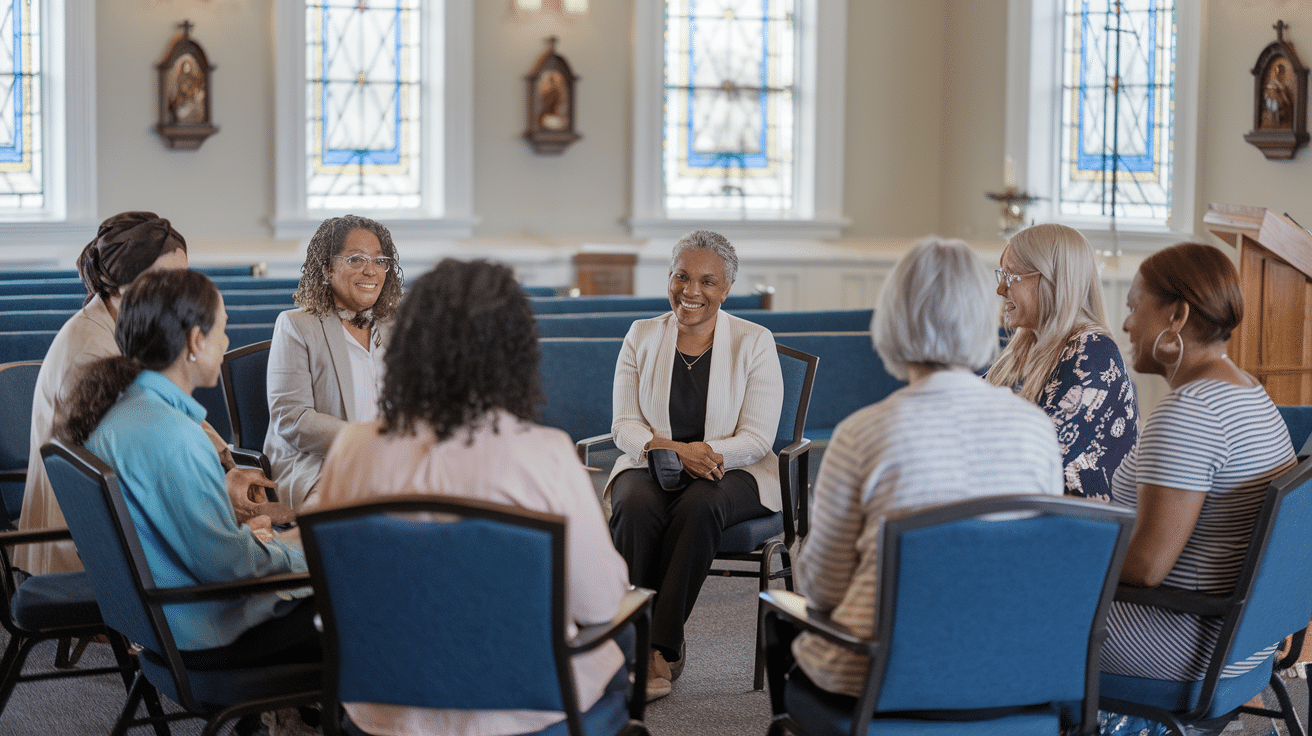
Group discussions encourage deeper reflection on biblical truths and personal experiences. Use small groups to explore key scriptures, like Proverbs 27:17: "As iron sharpens iron, so a man sharpens the countenance of his friend."
Structured questions guide conversations effectively. Examples include “How has God worked in your life recently?” or “What challenges are you bringing before Him today?” Sharing testimonies inspires faith within the group.
Networking opportunities strengthen relationships outside formal sessions. Include designated fellowship times during breaks or meal periods to deepen bonds between participants organically.
Offering Takeaways or Keepable Resources
Providing takeaways reinforces lessons learned during events. Scripture cards featuring verses such as Psalm 46:1: "God is our refuge and strength" serve as daily reminders of God’s promises.
Handouts summarizing main teachings provide tools for continued spiritual growth at home. Devotional booklets tailored to event themes extend impact beyond one day.
Encourage creativity by offering keepsakes tied to messages shared, like custom journals for recording prayers or blessings received throughout the year. Tangible items help attendees carry their experience forward faithfully into everyday life.
Common Issues And Troubleshooting
Planning events for women’s ministry often brings challenges. Addressing these effectively ensures a successful and impactful experience.
Overcoming Budget Constraints
Limited budgets require careful financial planning. I focus on prioritizing essential costs, like venue fees and materials, to ensure the event’s core purpose is met. Cutting non-essential expenses helps stretch funds further.
Partnering with local businesses can reduce costs. Sponsors may provide items or services in exchange for promotional recognition during the event. For example, bakeries might donate refreshments, or print shops could offer discounted flyers.
Hosting fundraisers before events generates additional income. Ideas include bake sales, silent auctions, or donation drives within the church community. Transparent communication about how funds will be used fosters trust among contributors.
Volunteers are invaluable when resources are tight. Asking attendees to bring snacks or decorations reduces supply expenses while encouraging participation.
Biblical wisdom guides stewardship decisions: “Also it is required in stewards that one be found faithful” (1 Corinthians 4:2 NKJV). Careful management of finances honors this principle while ensuring impactful ministry work continues.
Handling Low Attendance
Low turnout impacts event success but offers opportunities for growth. Identifying potential causes helps address the issue strategically.
Promoting events early increases awareness and engagement. Using bulletin announcements, email newsletters, or social media platforms maximizes reach and visibility among members.
Offering childcare encourages attendance by assisting mothers who might otherwise struggle to participate fully. Creating inclusive environments ensures more women feel welcome regardless of their circumstances.
Survey feedback from past attendees reveals areas needing improvement. Questions could cover preferred times, formats, or activities to align future plans with participant needs better.
Matthew 18:20 reminds me why even small gatherings matter: “For where two or three are gathered together in My name, I am there during them” (NKJV). Trusting God’s presence strengthens faith even though attendance challenges.
Dealing with Scheduling Conflicts
Conflicting schedules hinder participation but can often be resolved through flexibility and collaboration. Early planning minimizes overlap with other commitments like holidays or church-wide events.
Alternative Event Ideas and Themes
Creative event ideas bring fresh opportunities for spiritual growth and fellowship. Exploring alternative themes engages attendees in unique ways while fostering community and faith.
Outdoor Retreats and Nature Walks
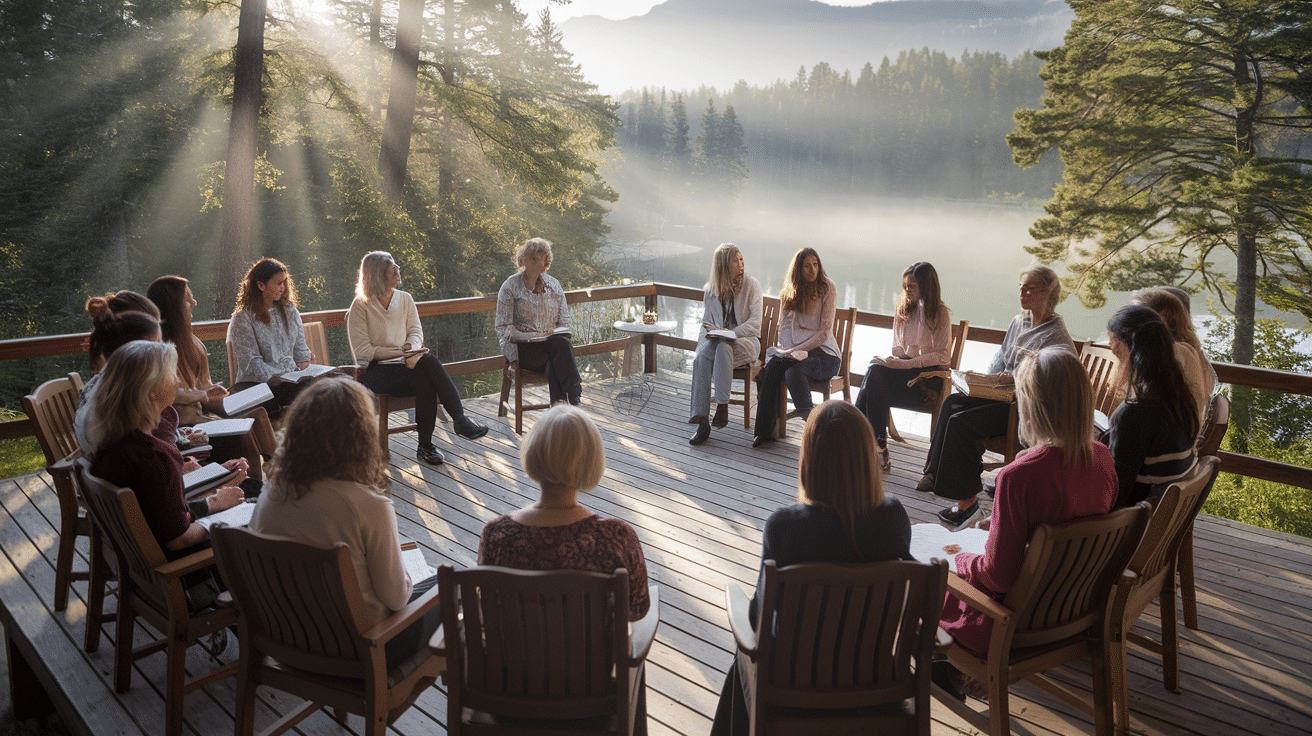
Hosting outdoor retreats or nature walks connects participants with God’s creation. These events encourage reflection, prayer, and conversations surrounded by the beauty of nature.
- Nature Walk With Prayer Stops: Plan a guided walk with dedicated stops for scripture readings like Psalm 19:1, “The heavens declare the glory of God; And the firmament shows His handiwork” (NKJV), followed by group prayers.
- Weekend Retreat at a Scenic Location: Organize activities such as devotionals by a lake or mountain view, small group discussions under open skies, or worship sessions around campfires.
- Garden Fellowship Morning: Create a peaceful garden setting where attendees can meditate on verses like Matthew 6:28-30 about God’s care and provision.
Incorporating nature-focused elements into these events strengthens connections to biblical truths while offering rest from daily routines.
Workshop Series or Skill-Building Sessions
Workshops provide hands-on learning while fostering fellowship among women. Equipping them with practical skills alongside spiritual encouragement enriches their lives holistically.
- Bible Journaling Workshops: Teach creative journaling techniques using scriptures such as Proverbs 3:5-6 to inspire deeper reflections.
- Cooking Classes With Purpose: Host sessions focused on preparing meals that can be shared during outreach programs or community gatherings.
- Financial Stewardship Seminars: Provide biblical-based lessons on money management referencing Proverbs 21:5, “The plans of the diligent lead surely to plenty…” (NKJV).
Each workshop enhances personal growth while strengthening bonds within the ministry through shared experiences.
Online or Virtual Event Options
Virtual events expand accessibility for women unable to attend in person. These connect participants regardless of location through interactive digital platforms.
- Live-streamed Worship Nights: Invite participants to join spirit-filled praise sessions streamed live via social media or video conferencing tools.
- Interactive Bible Studies Online: Help virtual groups studying passages like Philippians 4:13 together, encouraging active engagement using breakout rooms.
- Webinars Featuring Guest Speakers: Host inspiring talks addressing relevant topics like faith during adversity from experienced leaders in ministry.
These online options maintain unity among members while adapting to modern needs without losing focus on Christ-centered goals.
Evaluation And Follow-Up
Evaluation and follow-up strengthen the impact of women’s ministry events. These steps ensure future programs are more effective and aligned with spiritual goals.
Gathering Feedback Post-Event
Collecting feedback reveals how attendees experienced the event. I use surveys, comment cards, or digital forms to gather honest opinions. Questions can address areas like spiritual growth, organization, and engagement.
Include specific prompts for clarity. For example:
- “What part of the event spoke to you most spiritually?”
- “How could we improve your experience next time?”
Personal conversations also provide valuable insights. I speak with participants directly to understand their thoughts in more depth. This helps identify both strengths and weaknesses.
Prayers during post-event discussions invite God’s guidance for interpreting feedback. As Proverbs 15:22 (NKJV) states, “Without counsel, plans go awry.” Seeking input ensures better planning next time.
Analyzing Success Metrics
Measuring success ensures events fulfill their purpose. I start by revisiting goals set during planning—whether they focused on fellowship, outreach, or spiritual growth.
Track numbers like attendance rates, registrations versus actual turnout, and budget adherence to assess logistical performance. Compare these figures with past events for trends over time.
Spiritual impact remains a key metric beyond numbers alone. Use testimonials or prayer requests shared during the event as qualitative indicators of transformation through God’s Word.
Record all findings in one place for easy review later. This systematic approach highlights what worked well and where adjustments are needed before moving forward.
Planning Improvements for Future Events
Reflection leads directly into actionable improvements. Based on feedback and metrics evaluated earlier, I brainstorm solutions addressing identified gaps while maintaining biblical alignment.
Adjust activities or schedules if low engagement was reported at certain times during the program. Add more interactive elements like group prayers or scripture-focused workshops if participants found them meaningful previously.
Test new themes inspired by attendee suggestions while keeping Philippians 4:8 (NKJV) in mind: “Whatever things are true…meditate on these things.” Align creativity with Christ-centered principles when innovating ideas.
How Can Effective Marketing Strategies Enhance Engagement in Women’s Ministry Events?
Effective marketing strategies can significantly enhance engagement in women’s ministry events by targeting the right audience and fostering community connections. By utilizing social media, personalized outreach, and engaging content, ministries can promote participation, leading to larger gatherings and ultimately contributing to women’s ministry growth. Connecting deeply with participants is key.
Conclusion
Planning impactful and engaging events for women’s ministry is both a privilege and a responsibility. Every detail, from the mission statement to creative activities, plays a role in fostering spiritual growth and meaningful connections. By staying aligned with biblical principles and understanding the unique needs of your audience, you can create experiences that truly resonate.
Equipping yourself with the right tools, thoughtful strategies, and prayerful guidance ensures your efforts reflect God’s purpose. Remember to evaluate each event’s impact and embrace feedback as an opportunity for growth. With intentionality and faith at the center of your planning, your women’s ministry can thrive in building community and inspiring lasting change.
Share On Pinterest!


Pastor Duke has been preaching and teaching the Bible since 1988. He has shared his knowledge online since 2011.




 By
By