
When we think of influential figures in the Bible, Hobab might not be the first name that comes to mind. Yet his story holds a powerful lesson about guidance, partnership, and stepping into God’s purpose.
Hobab, Moses’ brother-in-law, played a key role during Israel’s wilderness journey. His willingness—or hesitation—to join the Israelites reveals how God often uses unexpected relationships to fulfill His plans. There’s so much we can learn from his choices and their impact on God’s people.
Who Is Hobab in the Bible?
Hobab, a lesser-known biblical figure, was Moses’ brother-in-law. He was the son of Reuel (Jethro) the Midianite and part of Moses’ extended family by marriage.
In Numbers 10:29, Moses invited Hobab to join the Israelites on their journey to the Promised Land. Moses said, “We are setting out for the place of which the Lord said, ‘I will give it to you.’ Come with us, and we will treat you well; for the Lord has promised good things to Israel” (NKJV). This invitation highlighted Hobab’s potential role as an essential guide.
Hobab’s knowledge of the wilderness made him invaluable. In Numbers 10:31-32, Moses emphasized this when he stated that Hobab could help find suitable camping spots. His skills complemented God’s divine guidance through the cloud and fire.
The Bible doesn’t explicitly state if Hobab accepted or declined Moses’ request. Judges 1:16 later mentions descendants of Moses’ father-in-law settling in Judah, suggesting some connection remained between Hobab’s lineage and Israel.
| Fact | Detail |
|---|---|
| Family | Son of Reuel (Jethro), brother-in-law to Moses |
| Role | Guide during Israelites’ wilderness journey |
| Mentioned Passages | Numbers 10:29-32; Judges 1:16 |
Hobab represents obedience and partnership in God’s plans. His relationship with Moses reminds me that God often uses unexpected people to fulfill His purposes.
Hobab’s Role in the Old Testament
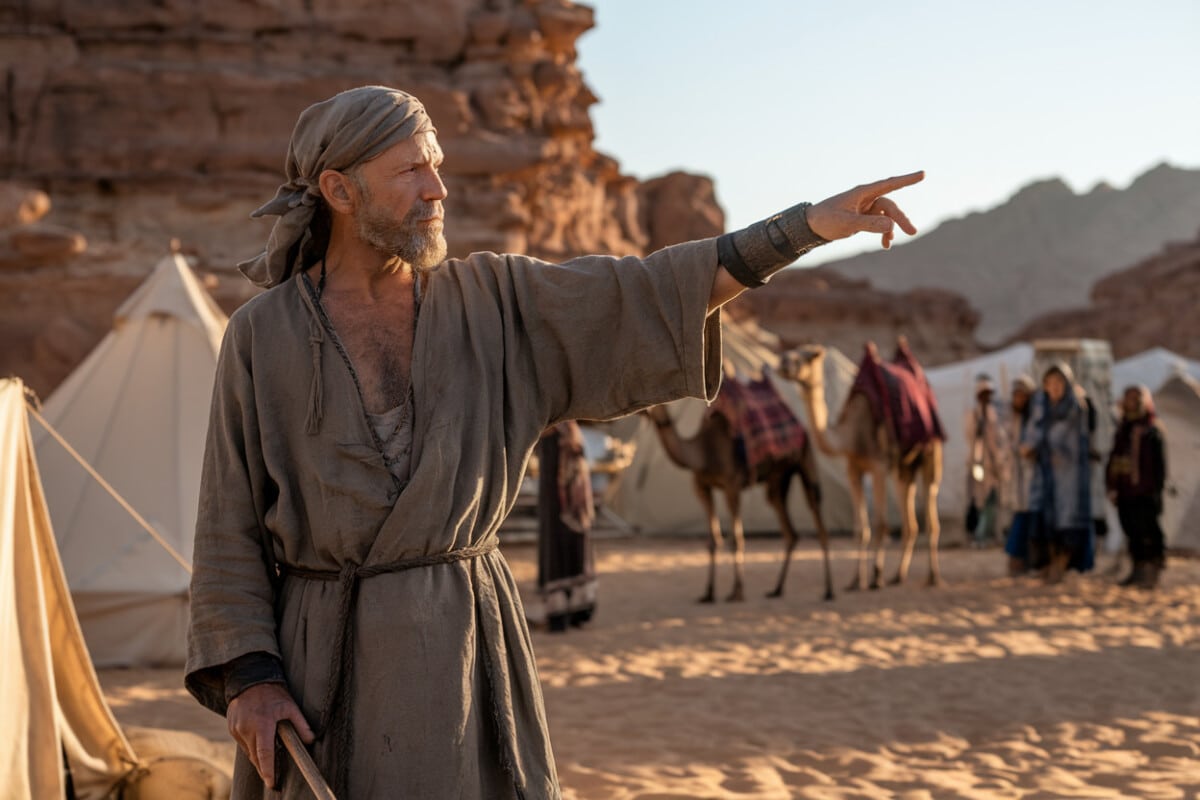
Hobab holds a unique place in the Old Testament narrative. His relationship with Moses and his role during Israel’s wilderness journey reveal God’s use of human connections to fulfill divine plans.
Hobab’s Connection to Moses
Hobab was Moses’ brother-in-law, identified as the son of Reuel (Jethro) the Midianite (Numbers 10:29). This familial link gave him proximity to one of God’s greatest leaders.
Moses invited Hobab to join Israel’s journey, recognizing his value. In Numbers 10:31, Moses said, “You know how we are to camp in the wilderness, and you can be our eyes.” This plea highlighted their strong bond and mutual respect.
Hobab’s connection extended beyond family ties. It symbolized collaboration between different tribes for God’s purposes. His lineage maintained ties with Israel even after this event. Judges 1:16 references Hobab’s descendants living among Judah, showing continuity in this relationship.
Hobab as a Guide for the Israelites
Hobab had intimate knowledge of desert terrain. As a Midianite familiar with wilderness navigation, he provided practical guidance that complemented supernatural direction from God.
Moses valued both divine leadership and human expertise. Numbers 10:33-34 recounts how they followed God’s cloud by day but sought Hobab’s wisdom on routes and resources.
The Bible doesn’t confirm whether Hobab accepted Moses’ invitation directly. But, later accounts suggest his people integrated into Israelite society (Judges 4:11). If so, his guidance would’ve played a strategic role during critical moments of travel through harsh conditions.
Hobab exemplified how natural skills aligned with spiritual missions bring success when fulfilling God’s plans for His people.
Significance of Hobab’s Story

Hobab’s story highlights the importance of collaboration, wisdom, and divine purpose. His role in Israel’s wilderness journey provides valuable insights for spiritual growth and leadership.
Lessons on Leadership and Guidance
Hobab demonstrated practical leadership through his knowledge of the wilderness. Moses sought his help because he valued Hobab’s expertise in exploring challenging terrain.
Moses said to Hobab, “You know how we are to camp in the wilderness, and you can be our eyes” (Numbers 10:31, NKJV). This shows that even leaders require support from others with unique skills.
God combined supernatural guidance with human insight during Israel’s journey. The cloud by day and fire by night led them forward (Exodus 13:21), but Moses trusted Hobab for immediate decisions.
Leaders thrive when they delegate responsibilities effectively. Hobab represents those who contribute their strengths without seeking glory. His example reminds us that humility paired with competence strengthens community efforts.
Trust and Family Loyalty in Biblical Narratives
Hobab’s decision to assist Moses stemmed from trust built within family relationships. As Moses’ brother-in-law, he had a shared commitment to their collective success.
Family connections often played critical roles in fulfilling God’s plans throughout Scripture. In Judges 1:16, it states that “the children of the Kenite, Moses’ father-in-law,” settled among Judah (NKJV). This connection underscores lasting loyalty between Hobab’s descendants and Israel.
Biblical stories often show God working through familial bonds. Ruth followed Naomi out of loyalty even though hardships (Ruth 1:16-17). Similarly, Hobab supported Moses as an act of faithfulness beyond personal interest.
Trusting family members fosters unity needed for spiritual victories. Hobab teaches us that being loyal in small acts can lead to greater blessings later on.
Interpretations of Hobab’s Actions
Hobab’s actions in the biblical narrative spark varied interpretations among scholars and believers. His role highlights themes of obedience, partnership, and divine purpose.
Traditional Views on Hobab’s Choice
Traditional perspectives often view Hobab as a symbol of cooperation with God’s people. Many believe he accepted Moses’ invitation to guide the Israelites through the wilderness. Numbers 10:31-32 (NKJV) records Moses pleading, “Please do not leave us… you may be our eyes,” emphasizing the importance of his decision.
If Hobab joined, traditional views suggest his actions reflected faithfulness to family ties and divine plans. His guidance would have demonstrated practical wisdom complementing God’s supernatural leadership.
Alternatively, some interpretations argue that Hobab initially resisted due to personal hesitations or obligations. Numbers 10:30 states, “And he said to him, ‘I will not go… but I will depart,'” showing reluctance before any potential change of heart.
Later references in Judges 1:16 point to descendants of Moses’ father-in-law living among Judah. This connection supports traditional claims that Hobab eventually aligned with Israel’s journey and mission.
Modern Reflections on Hobab’s Role
Modern reflections highlight broader lessons from Hobab’s involvement or lack thereof. His story shows how God uses relationships for strategic purposes.
Some see him as an example of how natural skills—like exploring terrain—intersect with spiritual missions. Others note his potential hesitation reflects human struggles when called into unfamiliar roles or sacrifices.
Hobab also demonstrates the value of diverse contributions within God’s plan. Even if hesitant at first, his knowledge could’ve strengthened Israel during critical moments in barren conditions.
Whether actively participating or indirectly influencing events through his lineage, modern readers find inspiration in trusting God’s larger design even though uncertainties about their immediate choices or impact today.
Conclusion
Hobab’s story reminds me of the profound ways God weaves relationships and unique skills into His greater plans. His role, though often overlooked, demonstrates how practical wisdom and spiritual purpose can work hand in hand to accomplish divine goals. Whether through his direct actions or the legacy of his descendants, Hobab’s influence leaves a lasting impact on Israel’s journey.
His example encourages us to value collaboration, trust in God’s design, and recognize the importance of every contribution—no matter how small it may seem—in fulfilling a larger mission.
What Can Gershom’s Story Teach Us About Hobab’s Role in God’s Divine Plan?
Gershom’s story highlights how displacement and identity shape faith. His journey reflects trust in divine plans, much like Hobab’s guidance in the wilderness. Understanding the bible character gershom and god’s divine purpose reveals how God uses individuals to fulfill greater plans, demonstrating that even wanderers play vital roles in His divine design.
Share On Pinterest The Bible Character Hobab!



Pastor Duke has been preaching and teaching the Bible since 1988. He has shared his knowledge online since 2011.

 By
By