
A single drop of olive oil changed how I understood prayer. Years ago, as a young pastor, I stood at the bedside of a church member who was gravely ill. The family asked me to anoint her with oil and pray. I held that small bottle in my hands and felt the weight of something far older and more luminous than any modern medical procedure. That night, I witnessed God move in a way I will never forget. The practice of anointing with oil for healing is not a relic of the ancient world. It is a living, breathing command from Scripture that still carries the power of the Holy Spirit in 2026.
Whether you lead a small group, teach a Sunday School class, or simply want to grow deeper in your personal walk with God, understanding this practice matters. It is rooted in clear biblical instruction, rich in symbolism, and profoundly practical for the church today.

Key Takeaways
- 📖 James 5:14-15 is the primary New Testament command for anointing the sick with oil and praying in faith for healing.
- 🫒 Olive oil served both medicinal and symbolic purposes in the Bible, representing the Holy Spirit’s presence and power.
- 🙏 Anointing with oil is an act of obedient faith, not a magic formula. The healing comes from God, not the oil itself.
- ⛪ This practice is for the whole church, not just clergy. Any believer can participate in this ministry of compassion and prayer.
- ✅ There are practical, biblical steps you can follow to incorporate anointing with oil for healing into your personal and church life.
The Biblical Foundation for Anointing with Oil for Healing
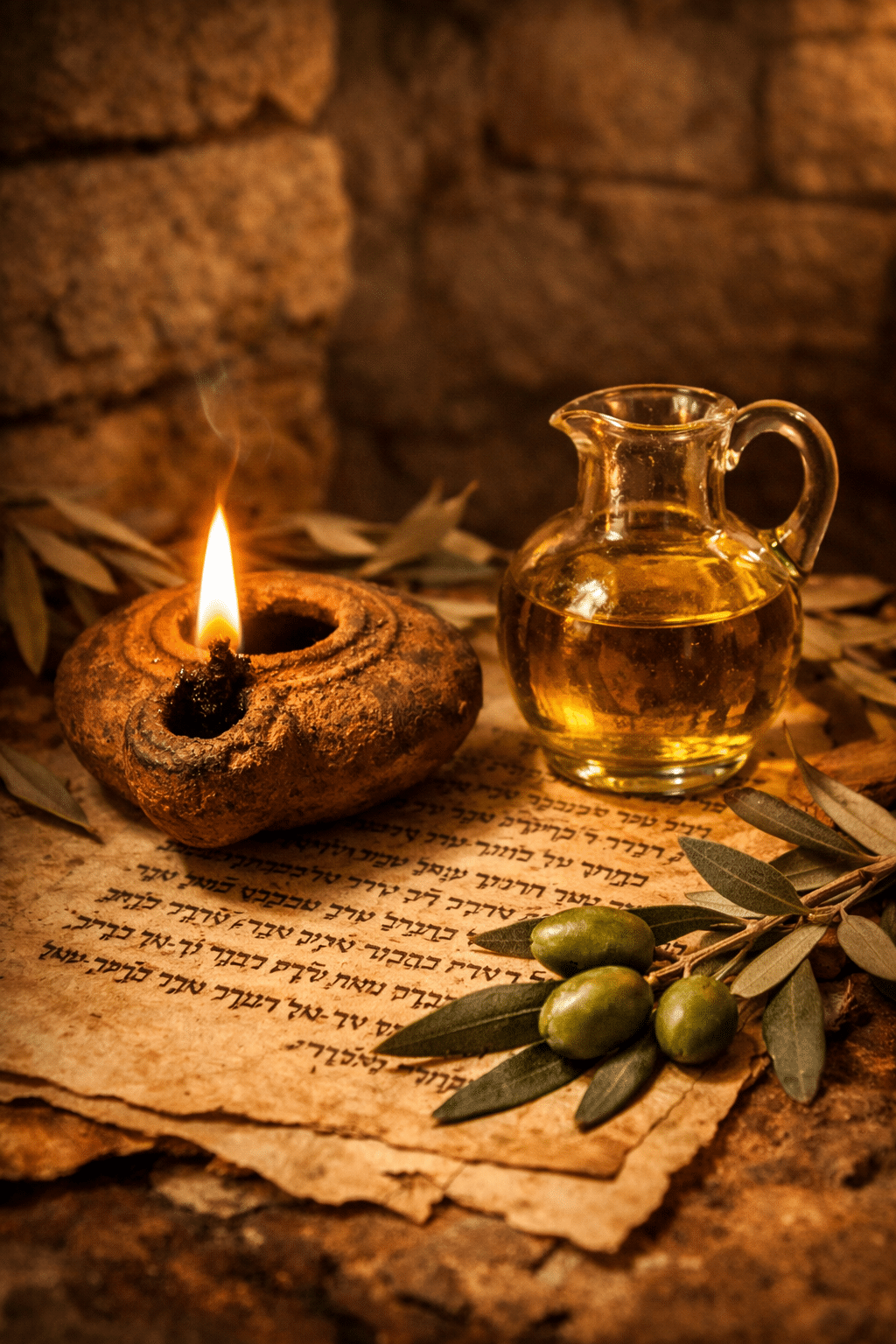
The practice of anointing with oil for healing is not a tradition invented by any denomination. It comes straight from the pages of Scripture.
The Command in James 5:14-15
The most direct instruction is found in the book of James:
“Is anyone among you sick? Let him call for the elders of the church, and let them pray over him, anointing him with oil in the name of the Lord. And the prayer of faith will save the sick, and the Lord will raise him up.” (James 5:14-15, NKJV)
Notice several important details here. First, the sick person initiates the request. They “call for the elders.” This is an act of humility and faith. Second, the elders pray and anoint with oil. The two actions go together. Third, it is done “in the name of the Lord.” The authority behind the healing is not in the oil or the elders. It is in Jesus Christ Himself. [2]
Jesus’ Disciples and Anointing Oil
Before James ever wrote his letter, Jesus had already set the precedent. In Mark 6:12-13, we read that the twelve disciples “went out and preached that people should repent. And they cast out many demons, and anointed with oil many who were sick, and healed them” (NKJV). [2]
This was not a one-time event. It was a pattern of ministry that Jesus established and the early church continued. For a deeper look at how Jesus commissioned His followers for healing ministry, check out our resource on the power of the name of Jesus in healing.
Old Testament Roots
The use of oil for healing stretches back even further. Isaiah 1:6 references wounds being “smoothed with olive oil” as part of ancient healing practices. [2] In Jewish medical tradition, olive oil was widely recognized for its documented healing properties and was used as a common remedy. [2]
Oil was also used to anoint kings, priests, and prophets, signifying God’s chosen purpose and the empowerment of His Spirit. When we anoint the sick with oil, we are tapping into a deep, consecrated tradition that connects physical care with spiritual authority.
What Does the Oil Symbolize?
Understanding the symbolism behind the oil transforms this practice from a mere ritual into a profound act of worship and faith.

A Symbol of the Holy Spirit
Throughout Scripture, oil is one of the most consistent symbols of the Holy Spirit. When Samuel anointed David as king, “the Spirit of the Lord came upon David from that day forward” (1 Samuel 16:13, NKJV). The oil and the Spirit’s presence were inseparable.
When we anoint a sick person with oil, we are making a tangible, visible declaration that we are inviting the Holy Spirit to come and do what only He can do: heal, restore, and comfort. Anointing with oil signifies healing, strengthening, and the presence of the Holy Spirit in a way that words alone sometimes cannot express. [3]
A Practical Medicine
Here is something that surprises many believers: the oil was not only symbolic. In the ancient world, olive oil was genuinely medicinal. It was used to clean wounds, soothe skin, and even massage athletes to fortify them for competition. [3] The Good Samaritan poured oil and wine on the wounded man’s injuries (Luke 10:34).
So when James instructs the elders to anoint with oil, he is not asking them to choose between faith and practical care. He is weaving them together. This is why we believe that God’s healing touch and medical professionals work in divine partnership. Faith and medicine are not adversaries. They are allies under God’s sovereignty.
A Sign of Consecration
To anoint someone is to set them apart. It is to say, “This person belongs to God, and we are placing them under His care and authority.” The oil becomes a point of contact for faith, a physical reminder that God is present and active.
💡 Key Truth: The oil does not heal. God heals. The oil is an instrument of obedience and a catalyst for faith.
How to Practice Anointing with Oil for Healing Today
So how do we actually do this? Let me walk you through a practical, biblical approach that any church, small group, or individual can follow.
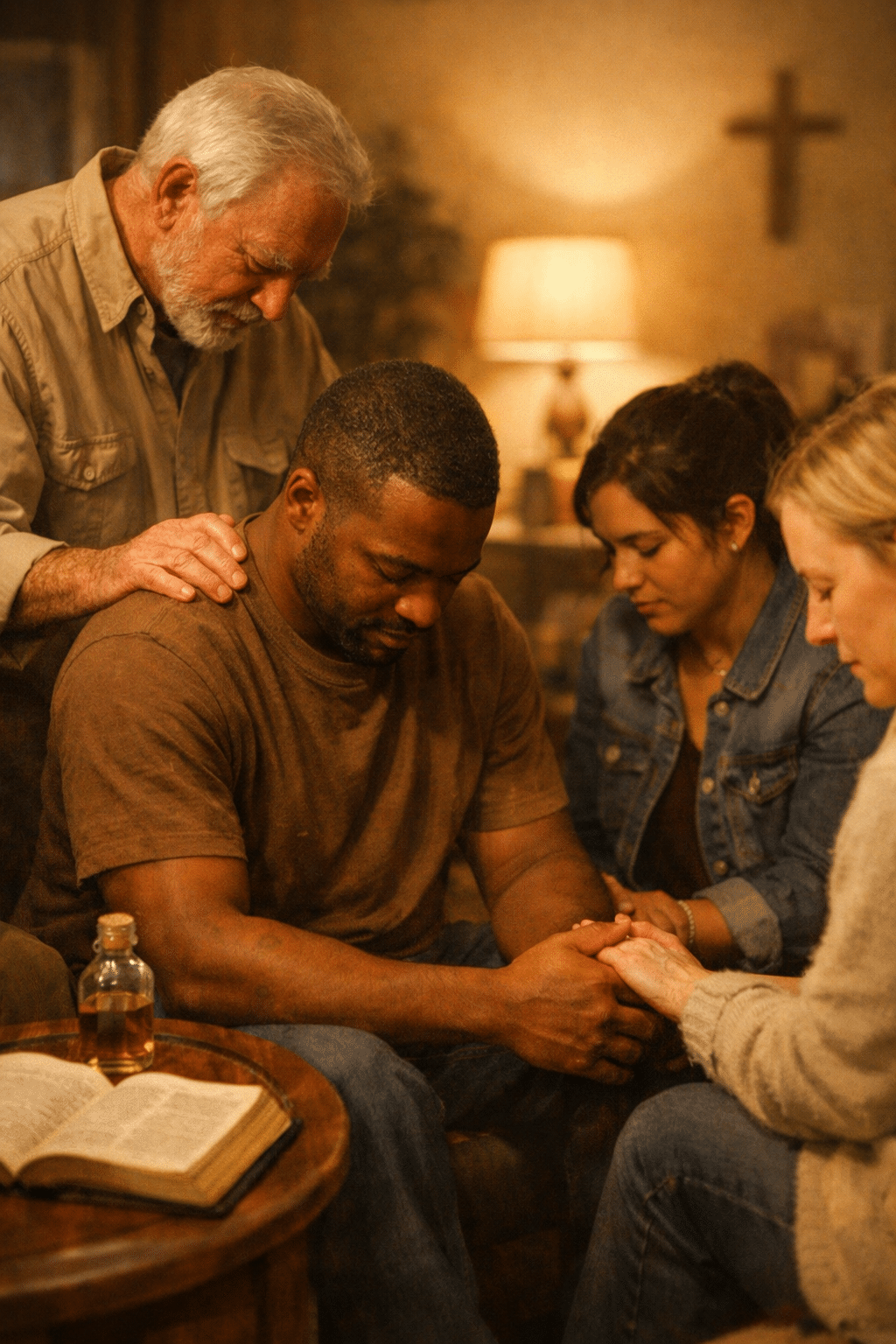
Step 1: Use Simple Olive Oil
You do not need expensive or specially branded oil. Pure olive oil is what Scripture points to. Some churches use oil that has been prayed over or set apart for this specific purpose. In the Catholic tradition, pure olive oil is blessed annually by the Bishop at the Chrism Mass. [8] In many Protestant and charismatic churches, a pastor or elder simply prays over the oil before using it, asking God to consecrate it for His purposes. [1]
The important thing is not the brand or the price. It is the heart behind it.
Step 2: Gather in Faith and Community
James 5:14 specifically mentions calling for the elders of the church. This is a communal act. While there is nothing wrong with anointing yourself in private prayer, the fullness of this practice involves the body of Christ coming together in agreement.
If you are a small group leader, this is a beautiful opportunity to minister to someone in your group who is struggling with illness. For more on the power of praying together, explore our guide on healing prayer agreement and the power of united faith.
Step 3: Apply the Oil Simply
There is no elaborate ceremony required. Most traditions involve placing a small amount of oil on the forehead, often in the sign of a cross. Some apply it to the hands or the specific area of the body that is afflicted.
When priests in the Catholic tradition bless the oil, they pray: “Send the power of your Holy Spirit, the Consoler, into this precious oil… that it may heal them in body, in soul and in spirit, and deliver them from every affliction.” [6] That is a beautiful prayer any believer can adapt.
Step 4: Pray the Prayer of Faith
This is the crux of the matter. James does not say, “The oil will save the sick.” He says, “The prayer of faith will save the sick, and the Lord will raise him up” (James 5:15, NKJV).
The oil is the vehicle. Faith is the engine. And the Lord is the driver.
Here is a simple prayer framework you can use:
| Step | Action | Example |
|---|---|---|
| Acknowledge God | Begin by honoring who He is | “Father, You are the Great Physician…” |
| Apply the oil | Anoint the person’s forehead | Place a small drop of oil gently |
| Pray specifically | Name the illness or need | “We ask for healing from this cancer…” |
| Invoke Jesus’ name | Pray in His authority | “In the name of Jesus Christ…” |
| Thank God | Express faith in His answer | “We thank You for Your healing power…” |
For a more detailed approach, see our five-step prayer model for a biblical approach to healing ministry.
Step 5: Trust God with the Outcome
This is where I want to be honest and pastoral with you. Not every person we anoint and pray for is healed instantly. Sometimes healing is gradual. Sometimes God heals through doctors and medicine. Sometimes His answer is different from what we expect.
But our job is to obey. James did not say, “If you feel like it” or “If you have enough faith.” He said to do it. Obedience is our responsibility. Results are God’s domain.
If you are walking through a season of waiting for healing, our Bible reading plan for healing can anchor your heart in God’s promises during that time.
Common Questions About Anointing with Oil for Healing
Who Can Anoint the Sick?
James specifically mentions elders, but the broader principle of believers praying for one another applies to all Christians. Mark 16:17-18 promises that “these signs will follow those who believe… they will lay hands on the sick, and they will recover.” If you are a believer, you have the authority to pray for the sick. Learn more about laying hands on the sick from a biblical perspective.
Does It Have to Be Olive Oil?
Scripture points to olive oil because of its historical, medicinal, and symbolic significance. While there is no strict prohibition against other oils, olive oil is the most biblically grounded choice.
What If the Person Is Not Healed?
This is perhaps the most tenacious question in all of healing ministry. The answer requires both theological honesty and pastoral tenderness. We live in a fallen world where sickness exists. God is sovereign, and His ways are higher than ours (Isaiah 55:9). Our call is to pray in faith, anoint in obedience, and trust in His goodness regardless of the immediate outcome.
For a deeper exploration of this tension, read our article on healing as a manifestation of God’s kingdom on earth.
Is This Practice Just for Physical Illness?
No. The word “sick” in James 5:14 can encompass physical, emotional, and spiritual affliction. The anointing of the sick addresses the whole person. As the USCCB teaches, “It is Jesus who touches the sick to heal them from sin, and sometimes even from physical ailment.” [7] Our resource on examples of emotional healing in the Bible explores this broader dimension beautifully.

Conclusion: Step Out in Obedient Faith
Anointing with oil for healing is not an arcane ritual reserved for a spiritual elite. It is a simple, scriptural, and powerful act of faith that God has given to His church. It combines the tangible with the transcendent, the practical with the prayerful.
Here are your next steps:
- Get a small bottle of olive oil and set it apart with prayer for healing ministry.
- Study James 5:14-15 this week. Meditate on what God is asking of you.
- Talk to your pastor or small group about incorporating anointing with oil into your prayer times for the sick.
- Step out in faith the next time someone asks for prayer. Do not let fear of the outcome keep you from obedience.
- Keep trusting God. Whether healing comes instantly, gradually, or in eternity, He is faithful.
The oil in your hand is just oil. But when it is applied in the name of Jesus, with the prayer of faith, backed by the authority of Scripture, it becomes a conduit for the God of the universe to touch His children. That is not a small thing. That is the gospel at work.
Go. Anoint. Pray. Trust. And watch what God will do.
References
[1] How To Pray Over Anointing Oil Releasing Gods Healing Power And Presence – https://www.kathydegrawministries.org/how-to-pray-over-anointing-oil-releasing-gods-healing-power-and-presence/
[2] James 514 Should We Anoint The Sick With Oil – https://www.robertjmorgan.com/uncategorized/james-514-should-we-anoint-the-sick-with-oil/
[3] Understanding The Sacrament Of Anointing Of The Sick – https://www.franciscanmedia.org/franciscan-spirit-blog/understanding-the-sacrament-of-anointing-of-the-sick/
[6] Anointing Of The Sick – https://www.sacredhearthnl.org/anointing-of-the-sick
[7] Anointing Of The Sick – https://www.usccb.org/prayer-and-worship/sacraments-and-sacramentals/anointing-of-the-sick
[8] Anointing Of The Sick – https://www.newkensingtoncatholic.org/anointing-of-the-sick

Pastor Duke has been preaching and teaching the Bible since 1988. He has shared his knowledge online since 2011.





 By
By